-
Tiny tunes app android
Tiny Tunes is a free music player and downloader app for Android devices. It allows you to search and download songs from the internet and create playlists to play your music. You can also stream music online and listen to radio stations. The app has a simple and easy-to-use interface, and it supports various audio formats such as MP3, WAV, and M4A. You can use Tiny Tunes to discover new music and artists, or to listen to your favorite songs on the go.
Where download tiny tunes app for android

You can download Tiny Tunes for Android from the Google Play Store. Here are the steps:
- Open the Google Play Store app on your Android device.
- In the search bar, type “Tiny Tunes” and press Enter.
- Select the app from the search results.
- Tap the “Install” button to begin the download process.
- Wait for the download and installation process to complete.
- Once the app is installed, you can launch it from the app drawer on your device.
- In your browser, download the TinyTunes .APK file here: TinyTunes 1.16.2 APK Download
Alternatively, you can also download the Tiny Tunes APK file from a third-party website and install it manually on your device. However, it’s important to be careful when downloading apps from external sources, as they may contain malware or other malicious software.
-
Streaming Scams, AI Tracks and the New Attack on Musicians’ Livelihoods
The music-streaming economy—once hailed as a democratizing force that let anyone with a laptop reach a global audience—now faces a fast-growing scam that threatens artists and listeners alike. Fraudsters are using cheap generative-AI tools to produce mountains of throwaway tracks, then routing plays to those tracks through bot farms and fake accounts. The result: royalties siphoned away from real creators, charts polluted with manufactured hits, and platforms forced into an escalating arms race between synthesis and detection. This article explains how the scam works, why it matters, what platforms and regulators are doing, and how artists and listeners can respond.
How the scam works
The playbook is shockingly straightforward. Using AI song generators, bad actors create thousands—sometimes hundreds of thousands—of short, formulaic tracks that mimic common pop structures or ambient loops. They upload that mass-produced content to streaming services. Then, using networks of bots, scripted listeners, or compromised accounts, they generate thousands of fake plays. Each track earns only tiny royalties, but when multiplied across a massive catalog, the revenue becomes significant. Because the plays are spread out, fraudsters often stay below the radar, making detection difficult.
Real cases and scale
Authorities have already revealed cases where billions of fake streams brought in millions of dollars in fraudulent royalties. Some platforms report removing tens of thousands of AI-generated tracks in a single sweep, underscoring how vast the problem has become. What was once considered a marginal issue for digital platforms has now escalated into a full-blown industry crisis.
Why this hurts real musicians
The damage is real and multi-layered:
1. Lost revenue. Subscription and ad money is divided according to total streams. Fake plays dilute the pool, cutting earnings for genuine artists.
2. Discovery problems. Algorithms designed to recommend music often highlight songs with high engagement. When fraudulent tracks dominate, authentic music becomes harder to find.
3. Trust erosion. If playlists and charts are packed with low-quality, AI-made filler, listeners lose confidence in platforms, damaging the reputation of the entire industry.
What platforms are doing
Streaming services are not ignoring the issue. Some have introduced visible labels for AI-generated content, others have invested in detection tools and stronger anti-fraud systems. There are also industry-wide collaborations designed to share data and develop common standards. Still, this is a challenging battle: AI technology evolves rapidly, making synthetic tracks harder to distinguish from human-made music. And while detection tools are improving, fraudsters constantly adapt their methods.
Why the scam is attractive
The economics make sense for scammers. Instead of chasing one big viral hit, they create a vast network of small revenue streams. This approach is harder to detect, spreads risk, and exploits weaknesses in distribution systems that were not built for industrial-scale fraud. It’s a reminder that the streaming economy, while lucrative, is still vulnerable to manipulation.
What can be done
For platforms:
• Strengthen identity checks when artists or distributors upload tracks.
• Improve algorithms that detect suspicious listening patterns.
• Introduce clear systems for reclaiming fraudulent payouts.
For musicians:
• Monitor royalty reports for suspicious trends.
• Use tools that mark or watermark original works.
• Advocate for more transparent distribution practices.For listeners:
• Support artists directly through follows, playlists, and purchases.
• Report suspicious accounts or repetitive low-quality releases.
• Stay aware that not all tracks on a platform come from genuine creators.
Legal and regulatory action
Governments have started to treat streaming fraud as a serious financial crime. Prosecutors are targeting large-scale operations, and lawmakers are debating whether copyright and digital media laws should be updated to address AI-driven abuse. This growing attention means that fraudsters may soon face not only platform bans but also significant legal consequences.
A fragile future—or an opportunity?
There are two possible futures. In one, the music ecosystem becomes so saturated with artificial content that human artistry struggles to be heard. In the other, platforms, artists, and listeners use technology to safeguard creativity, ensuring that streaming remains a viable and fair model. The outcome depends on decisions being made right now—about transparency, regulation, and how much value society places on authentic music.
Further reading on our blog
• Musicians boycott Spotify when art clashes with military tech
• When AI becomes the artist: musicians push back against the rise of virtual performers -
Musicians Boycott Spotify: When Art Clashes With Military Tech

The global music industry is no stranger to controversy, but this time the storm is not about copyright battles or the rise of AI performers. Instead, it’s about ethics, politics, and money. Over the past weeks, hundreds of artists have begun pulling their catalogs from Spotify after reports revealed that the company’s CEO, Daniel Ek, invested heavily in a defense technology company specializing in artificial intelligence for warfare.
The move sparked immediate outrage. For many musicians, Spotify is not just a streaming service — it’s the dominant platform through which much of the world discovers music. By removing their tracks, artists are essentially choosing financial sacrifice over complicity, making a powerful statement about the role of art in political and moral debates.
Why This Became a Breaking Point
Spotify has faced criticism before — from complaints about low royalty payments to its role in shaping how audiences consume music. Yet the new controversy feels different. At its core lies a profound ethical dilemma: can a platform that markets itself as a hub for culture and creativity simultaneously profit from technologies designed for destruction?
For artists, the connection between music and human rights has always been strong. From the protest songs of the 1960s to recent campaigns around climate change, musicians have long used their platforms to push for justice. The revelation about Spotify’s leadership investing in military AI struck a nerve because it directly contradicts the values of many artists who see music as a tool for peace and connection.
The Artists’ Response
High-profile acts were among the first to react. Indie bands, electronic producers, and even some mainstream pop performers began announcing via social media that their songs would no longer be available on Spotify. Independent labels also joined the movement, amplifying the boycott into a broader cultural conversation.
For some musicians, the decision was practical as well as ethical. With revenue from Spotify already modest compared to touring and merchandise sales, they felt the symbolic power of removing their work outweighed the potential loss in income. Others framed it as an act of solidarity with listeners who are increasingly conscious of where their money goes and how corporations wield their influence.
What This Means for Listeners
Fans are caught in the middle. For many, Spotify is the primary gateway to music, and losing access to favorite artists feels disruptive. But the boycott is also forcing listeners to confront uncomfortable questions: is convenience worth supporting a platform tied to industries of war? Should fans follow artists to alternative services like Bandcamp, Apple Music, or Tidal?
Some listeners are already making the shift, experimenting with platforms that claim to be more artist-friendly or socially responsible. Others argue that abandoning Spotify is unrealistic, given its dominant position. This tension reflects a deeper cultural divide about the power of consumer choices in shaping corporate behavior.
The Bigger Picture: Music and Ethics
What makes this moment significant is not just the boycott itself, but what it reveals about the modern relationship between art, money, and morality. In an era when corporations are expected to demonstrate social responsibility, musicians are using their visibility to highlight contradictions. The message is clear: creativity cannot thrive in a vacuum, separated from the consequences of business decisions.
This controversy also raises questions about the future of streaming. If artists continue to withdraw music from Spotify, will listeners follow, or will new ecosystems emerge? Could this be a turning point that accelerates the decentralization of music distribution? While it’s too early to predict outcomes, the movement shows that musicians are no longer willing to remain silent when the values of art are undermined.
Where Things Stand Now
Spotify has issued limited statements, emphasizing its neutrality as a platform and distancing itself from the personal investments of its executives. Yet this explanation has done little to quiet the debate. For critics, neutrality is not enough — especially when the stakes involve technologies that may reshape warfare.
What happens next depends on whether the boycott grows. If more globally recognized stars join the movement, Spotify could face not just reputational damage but real business consequences. If the momentum slows, the controversy may fade into the background. Still, the discussion it sparked is unlikely to disappear.
Final Thoughts
The Spotify boycott is more than a protest against one executive’s investments — it’s a reminder that music is inseparable from the world around it. Artists are not just entertainers; they are citizens with influence, and their choices can push global conversations forward.
Whether or not the boycott achieves its immediate goals, it highlights a crucial truth: the cultural industries we support reflect the values we endorse. And in 2025, musicians are making it clear that peace, ethics, and integrity matter just as much as streams and chart positions.
💡 Related reading on our blog:
When AI Becomes the Artist: Musicians Push Back Against the Rise of Virtual Performers -
When AI Becomes the Artist: Musicians Push Back Against the Rise of Virtual Performers
The music industry has always thrived on reinvention. From vinyl to streaming, from analog synthesizers to digital workstations, each technological leap has shifted the way artists create and audiences consume music. But the arrival of AI-generated performers — virtual artists who sign contracts worth millions — has triggered an entirely different type of debate. This is not simply about a new instrument or recording format. It is about what it means to be an artist, and whether algorithms should ever be granted the same cultural space as human creators.
The Spark That Lit the Debate
The latest wave of controversy erupted when reports surfaced of AI-generated musicians securing lucrative deals with major record labels. These virtual performers, designed through machine learning models trained on massive libraries of human-created music, were not only being distributed on streaming platforms but also promoted as full-fledged artists. Some had their own music videos, fan accounts, and even merchandise campaigns.
For many listeners, the novelty was exciting. For many musicians, however, it felt like a tipping point. R&B singer Kehlani was one of the first major voices to speak out, questioning the fairness of giving machines the same stage as artists who dedicate years — often decades — to perfecting their craft. Her comments sparked a flood of responses across social media, highlighting the tension between innovation and exploitation.
The Fear of Displacement
At the heart of this discussion lies an uncomfortable truth: musicians are already fighting an uphill battle in the streaming era. Payouts from platforms like Spotify are notoriously small, and touring — once a reliable source of income — is still recovering from the disruptions of the pandemic. Against this backdrop, the idea of labels investing millions into virtual performers feels, to many, like a betrayal.
Why pay a human artist when an AI can deliver endless tracks without demanding royalties, healthcare, or creative control? This fear of displacement is not abstract. It echoes what has already happened in industries like journalism, illustration, and customer service, where automation has replaced or devalued human labor.
Authenticity Versus Efficiency
Yet the pushback is not only about economics. Music, at its core, is an emotional and cultural language. Listeners don’t just consume sound waves; they connect to the stories, struggles, and triumphs of the people who create them. When Beyoncé sings about resilience or Kendrick Lamar raps about systemic injustice, the power lies in their lived experiences.
An AI-generated artist, no matter how technically impressive, cannot replicate that authenticity. The machine has no heartbreak to process, no social history to confront, no cultural roots to draw from. It may imitate the form, but not the substance. That distinction is central to the argument raised by artists like Kehlani, who warn that mistaking imitation for authenticity risks hollowing out the very soul of music.The Industry’s Perspective
Record labels, of course, see things differently. For them, AI-generated musicians are not replacements but experiments. A virtual performer can test new sounds, engage fans in interactive experiences, and even expand into markets where human logistics — visas, schedules, health — might complicate live performances.
Moreover, AI-driven projects often attract press coverage and online virality, both of which translate into clicks, streams, and revenue. To the executives who sign these contracts, it’s less about undermining artists and more about diversifying the creative portfolio. They argue that the industry has always integrated technology — from autotune to hologram concerts — and that AI is simply the next frontier.
Where Artists Draw the Line
Still, many musicians insist there must be limits. One growing demand is for greater transparency: if a track was created by an AI model, it should be clearly labeled as such. Hidden automation, they argue, misleads listeners and devalues human labor.
Others push for regulatory measures, such as requiring AI models to credit and compensate the artists whose music is used as training data. Without these safeguards, they warn, the technology risks becoming a form of cultural extraction — benefiting corporations at the expense of the very communities that built the art form.
The Middle Ground: Collaboration, Not Competition
Despite the polarization, there is room for nuance. Some artists see AI not as a rival but as a tool — one that can spark inspiration, generate ideas, or break creative blocks. Just as drum machines once threatened to replace drummers but ultimately expanded the sonic palette of popular music, AI could become another instrument in the studio.
The difference, however, lies in authorship. Musicians who use AI as part of their creative process remain in control of the vision and message. Virtual performers designed to replace artists, on the other hand, cross into more ethically contested territory.
What This Means for the Future
The conversation around AI musicians is not going away. As the technology advances, the industry will be forced to answer difficult questions:
• Should AI-generated tracks compete directly with human artists on streaming platforms?
• How should royalties and rights be distributed when AI models are trained on copyrighted music?
• Will audiences embrace virtual performers long-term, or will the novelty fade once the hype wears off?
The answers will shape not only the economics of music but also its cultural role. For centuries, music has been humanity’s way of sharing emotion, memory, and identity. Whether AI can contribute to that legacy — or merely mimic it — remains to be seen.
Final Thoughts
The rise of AI-generated musicians is both exhilarating and unsettling. It forces us to rethink what artistry means in a digital age. While record labels chase efficiency and novelty, human artists remind us that music is not just about sound but about lived experience.
The path forward will likely involve compromise: using AI as a creative partner while safeguarding the value of human expression. For now, one thing is clear — the debate has only just begun, and the outcome will redefine the soundtrack of the future. -
Daft Punk in Fortnite: How Virtual Worlds Are Reshaping Music’s Future
The line between live music and digital experience has blurred dramatically in the last few years. What once felt like a novelty—musicians appearing inside a video game—has quickly become a powerful frontier for fan engagement and industry innovation. The announcement of Daft Punk’s new collaboration with Fortnite is more than just a headline; it is a glimpse into where music may be heading.
From Concert Stages to Virtual Arenas
When Travis Scott staged his 2020 Fortnite event, millions of players tuned in to watch a surreal digital performance. That moment proved two things: first, video games are not just play spaces but cultural gathering points; second, music can be experienced in ways unbounded by physical reality. Daft Punk entering the Fortnite universe continues this trajectory. Instead of being limited to stage lights and sound systems, fans are invited to co-create remixes, interact with visuals, and share the experience with a global community simultaneously.
Why Virtual Music Experiences Matter
For artists, the shift opens a new canvas. Virtual platforms allow:
• Creative freedom: impossible stage designs, physics-defying effects, interactive remixes.
• Global reach: no tickets, no geography—anyone with an internet connection can attend.
• New monetization models: virtual skins, collectibles, exclusive remixes sold within digital economies.
For fans, this redefines participation. Instead of being a passive observer, a listener can become a collaborator, engaging directly with the artist’s vision.
The Business of Immersion
Gaming platforms like Fortnite are no longer sidelines; they are ecosystems with massive built-in audiences. By merging music with these worlds, labels and artists tap into both entertainment and commerce. Digital-only merch drops, limited NFT-style items, and in-game access codes for exclusive tracks are all examples of how this model reshapes revenue streams. The partnership between Daft Punk and Fortnite highlights how the future may depend less on ticket sales and more on interactive economies.
Risks and Questions
Of course, innovation brings challenges. Will virtual experiences replace traditional live concerts, or will they complement them? How will licensing, royalties, and ownership be managed when fan-created remixes circulate? And most importantly, will audiences embrace digital events long-term, or will they crave the irreplaceable energy of physical crowds?
A Hybrid Future
The most likely outcome is not a replacement of live shows but a blending. Just as streaming did not kill radio but transformed listening habits, virtual platforms may redefine performance without erasing traditional concerts. Artists like Daft Punk are paving the way for a hybrid industry—one that thrives in both stadiums and servers.
Read our earlier articles:
• Spotify’s Battle Against AI-Generated Fake Music: A Deep Dive into the Streaming Giant’s Efforts
• Beatles vs Rolling Stones: How Two Legends Upended Music -
Spotify’s Battle Against AI-Generated Fake Music: A Deep Dive into the Streaming Giant’s Efforts

In the ever-evolving landscape of digital music streaming, Spotify has long been a dominant force. With over 700 million users worldwide, the platform offers an extensive catalog of over 100 million tracks, nearly 7 million podcasts, and 350,000 audiobooks. However, as technology advances, so do the challenges. One of the most pressing issues Spotify faces today is the proliferation of AI-generated fake music flooding its platform. These tracks, often created using advanced AI tools, mimic popular artists or generate content en masse, exploiting the platform’s royalty system. In this article, we’ll explore the scale of this problem, Spotify’s response, and the broader implications for the music industry.
The Rise of AI-Generated Fake Music
Artificial intelligence has revolutionized many industries, and music is no exception. Tools like Suno and Udio enable users to create convincing tracks that resemble the styles of renowned artists. While these innovations have democratized music production, they’ve also opened the floodgates for misuse. Scammers can now produce thousands of tracks in a short period, flooding streaming platforms with low-quality content. These tracks often mimic popular artists, use deepfake vocals, or are merely instrumental loops designed to generate revenue through streams.
Spotify has reported the removal of 75 million spam tracks over the past year. This figure is staggering, considering the platform’s total catalog size. These fake tracks often exploit the platform’s royalty system, where any track played for more than 30 seconds generates revenue. This loophole has been a boon for fraudsters but detrimental to legitimate artists.
Spotify’s Response: Implementing AI Protections
Recognizing the severity of the issue, Spotify has taken several steps to combat the influx of AI-generated fake music:
1. Music Spam Filter
Spotify has introduced a music spam filter designed to detect and block spammy uploads. This filter identifies tracks that exhibit characteristics typical of AI-generated content, such as ultra-short durations, repetitive patterns, or unnatural vocalizations. Once identified, these tracks are either prevented from being uploaded or removed if already present on the platform.
2. Enhanced Detection Algorithms
The company has upgraded its algorithms to better detect impersonations and unauthorized use of AI-generated voices. Deepfake vocals, which mimic the voices of popular artists without their consent, have been a significant concern. Spotify now employs advanced machine learning models to identify and flag such content, ensuring that only authentic music reaches its users.
3. Collaboration with Industry Standards
Spotify is working closely with DDEX, a non-profit organization that develops metadata standards for the music industry. Together, they aim to establish a new standard for disclosing AI involvement in music creation. This initiative encourages transparency and helps users identify tracks that have been partially or entirely generated using AI tools.
4. Minimum Stream Requirement for Royalties
In 2023, Spotify implemented a policy requiring a minimum of 1,000 streams for a track to qualify for royalty payments. This measure aims to deter scammers who upload numerous tracks with the hope of accumulating small amounts of revenue from each play.
The Impact on Artists and the Industry
While Spotify’s efforts are commendable, the rise of AI-generated fake music has broader implications for the music industry:
• Revenue Dilution: Legitimate artists may see a reduction in their earnings as scammers flood the platform with fake tracks that siphon off potential royalties.
• Loss of Trust: Users may become disillusioned with the platform if they encounter low-quality, AI-generated content, leading to a decline in user engagement.
• Ethical Concerns: The use of AI to mimic artists’ voices raises ethical questions about consent and the authenticity of music.
Conclusion
Spotify’s battle against AI-generated fake music is a reflection of the broader challenges facing the music industry in the digital age. While technology has made music production more accessible, it has also introduced new avenues for exploitation. As Spotify continues to refine its strategies to combat this issue, it sets a precedent for other streaming platforms to follow. The future of music streaming will likely involve a delicate balance between embracing technological advancements and maintaining the integrity of artistic expression. -
Beatles vs. Rolling Stones: How Two Legends Upended Music
Have you ever had to choose between refinement and rebellion? Between polished craft and raw, untamed energy? That’s how the timeless rivalry between The Beatles and Rolling Stones looks — two bands that didn’t just define rock, they created whole philosophies of music.
Two Sides of the British Revolution
The 1960s: Britain is emerging from postwar recovery, youth are searching for new ideals, and music becomes the language of a generation.
• The Beatles — four lads from Liverpool who transformed pop into an art form. Their progression from simple tunes to the ambitious experiments of Sgt. Pepper’s was a masterclass in reinvention.
• Rolling Stones — London’s rebels, steeped in black American blues. If The Beatles leaned toward studio innovation, Stones lived on stage, sweat, raw sexuality, and endless touring.
(By the way: there wasn’t much personal hatred between the groups — George Harrison even recorded with the Stones. So much for “rivalry.”)
What Did Each Change?
It’s a debate without a definitive winner — but here’s what each band brought to the table:
• The Beatles changed everything: the sound of rock, the recording process, and how albums are conceived. They proved that popular music can have depth, complexity, and artistic ambition.
• Rolling Stones showed that rock isn’t just music — it’s a lifestyle. They didn’t just play songs, they embodied rebellion and attitude. And their longevity? Mick Jagger in his eighties still carries that fiery presence.
The Albums That Blew Up the Norm
Here are some of the landmark albums that shifted the music landscape:
The Beatles
• Revolver (1966) — when the band stepped away from straightforward pop. Indian influences, studio experimentation, a brave leap.
• Abbey Road (1969) — a perfectly constructed album where each song flows into the next; the B-side medley is often hailed among the greatest stretches of rock music ever.
Rolling Stones
• Beggars Banquet (1968) — a return to roots, but with sharp songwriting and formidable confidence. “Sympathy for the Devil” as part of that record is pure rock mythos.
• Exile on Main St. (1972) — a double album born in difficult circumstances, raw and messy but absolutely iconic in its dirt and soul.
Their Influence Echoes Everywhere
Without The Beatles and the Stones:
• There might not have been Oasis, trying to harness Beatles-style melody and swagger.
• Bands like Aerosmith, who soaked in the Stones’ bravado and stage attitude, might sound very different.
• Many modern indie acts would lack the DNA of experimentation (from The Beatles) or raw energy (from the Stones).
So Who “Won”?
There’s no single answer. Because the true victory is this: fifty, sixty years later, people are still listening. Still debating legacy. Still inspired by both perfection and grit.
Which side speaks to you more — The Beatles’ polished innovation or The Rolling Stones’ unrestrained energy? It might depend on the moment. -
The Universal Language of Music: Shared Experiences Across Generations
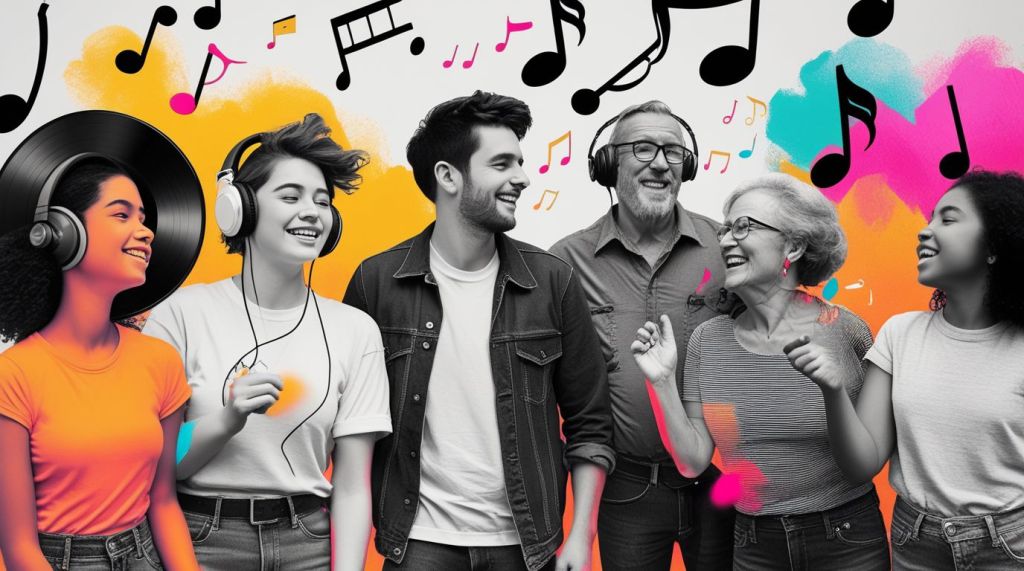
When we think about music and generations, the conversation often revolves around differences: Gen Z streaming on Spotify, Boomers holding onto vinyl, or Millennials nostalgic for their iPods. But what if, instead of focusing on contrasts, we zoom in on what unites us? Despite changing technologies and cultural shifts, there are common touchpoints that make music a truly universal language across generations.
🎤 The Timeless Power of Live Performances
No matter the era, live concerts and music festivals have always been spaces of collective joy. Boomers flocked to Woodstock, Gen X filled arenas for rock legends, Millennials turned Coachella into a cultural symbol, and Gen Z/Alpha are experiencing virtual concerts inside video games like Fortnite.
The format changes, but the essence remains the same: the magic of being part of a crowd, singing along to the same lyrics, feeling the beat in your chest. This shared ritual is one of the strongest bridges between generations.
📀 Nostalgia and Musical Inheritance
One of the most beautiful aspects of music is how it’s passed down. Parents share songs from their youth with children, and suddenly a teenager in 2025 is humming along to Fleetwood Mac or The Beatles. At the same time, older generations are introduced to today’s chart-toppers through their kids or grandkids.
This interplay creates cross-generational playlists where classic rock coexists with K-pop, and Motown sits comfortably next to hip-hop. The medium may shift — from cassettes to streaming — but the cycle of rediscovery remains strong. For a deeper dive into this transformation of formats, check out this piece on how music evolved from cassettes to streaming.
🎧 Shared Rituals in Listening
Think about the rituals that haven’t disappeared, only changed form:
• Making mixtapes in the 80s → creating Spotify playlists today.
• Listening to the radio together in the living room → sharing earbuds or AirPods with a friend.
• Saving up for a record or CD → subscribing to a music app.
Every generation develops its tools, but the underlying habit of curating and sharing music remains the same. We’re always looking for ways to personalize and spread the songs that matter most to us.
🌍 Music as a Cultural Bridge
Music doesn’t just connect individuals — it connects cultures. Through collaborations, global streaming platforms, and viral social media trends, songs now transcend borders faster than ever before. Gen Z and Alpha, in particular, are experiencing music as a global conversation. Their habits reflect not only what they like, but also how they engage with music socially and digitally. To better understand this unique perspective, see this exploration of what Gen Z and Alpha are listening to and how.
🎶 The Songs That Never Fade
Every generation has its anthems — songs that become larger than time. Queen’s Bohemian Rhapsody, Nirvana’s Smells Like Teen Spirit, Adele’s Someone Like You, and now viral hits that dominate TikTok. These tracks act as cultural markers, yet they’re rediscovered over and over by younger listeners.
The shared act of embracing these timeless songs creates an invisible thread between generations. It reminds us that while musical tastes evolve, emotional resonance remains constant.
💡 Why These Touchpoints Matter
By focusing on what connects us, rather than what divides us, we see music for what it truly is:
• A ritual that adapts but never disappears.
• A bridge between generations and cultures.
• A shared language that expresses joy, pain, love, and rebellion in equal measure.
Understanding these shared habits doesn’t just enrich our appreciation of music. It also helps us see how deeply interconnected we are, despite differences in age, technology, or cultural background.
Final Thoughts 🎵
Yes, Gen Z might live on TikTok playlists while Boomers still treasure vinyl. But step back, and the bigger picture is clear: music connects us all. The joy of discovering a new song, the nostalgia of hearing an old one, the thrill of live performance, or the simple comfort of shared listening — these experiences transcend generations.
Music changes, formats shift, trends rise and fall. Yet the heart of the experience stays the same. And maybe that’s the greatest proof that music is, and always will be, a universal language. -
What Gen Z and Alpha Are Listening To: Trends, Habits, and Apps
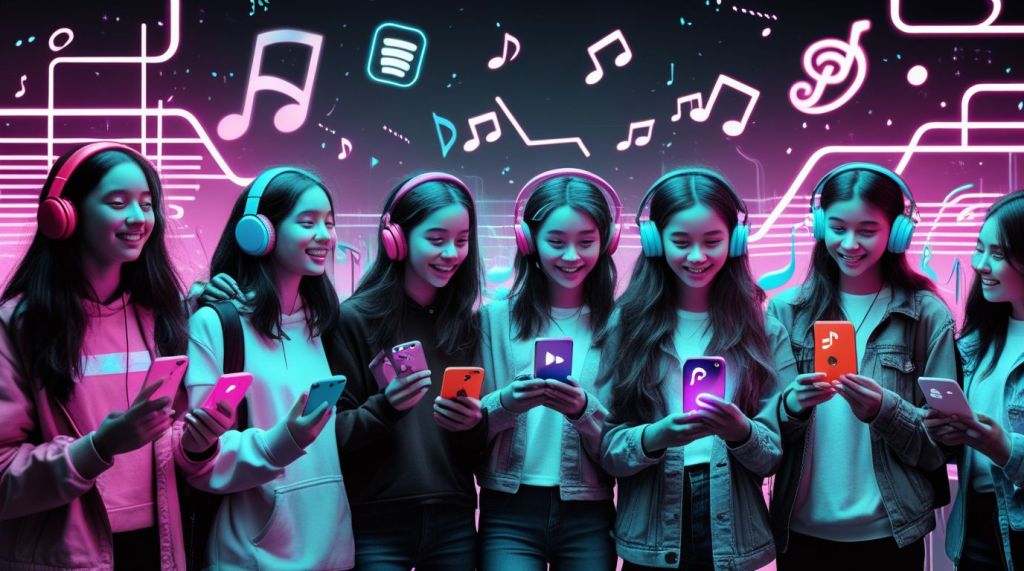
Music has always been more than just entertainment — it’s a way to connect, to express identity, and to belong. But if you ask today’s teens and young adults what they’re listening to, you’ll notice something fascinating: it’s not only about the music itself, but also about how they discover, share, and experience it.
Generations Z and Alpha are reshaping the landscape of the music industry. They’re digital natives, raised with smartphones, streaming apps, and social platforms. Their habits look very different from those of Millennials or Gen X, and the shift is changing how artists release music and how companies design platforms.
Let’s take a deep dive into what these generations are listening to, which apps dominate their playlists, and how short-form content is redefining the way music spreads. 🚀
The Platforms They Can’t Live Without 📱🎶
When it comes to apps, Gen Z and Alpha don’t just use one — they often bounce between several depending on the moment:
• Spotify – Still the leader for streaming, loved for its personalized playlists like Discover Weekly and Daily Mix. For many young listeners, Spotify Wrapped at the end of the year feels like a cultural holiday.
• Apple Music – Popular among iPhone users, offering high-quality audio and seamless integration with other Apple devices.
• YouTube Music – Strong with younger audiences who love switching between music videos and pure audio. For many, it’s where they first discover new tracks.
• TikTok – Not a traditional streaming app, but an absolute powerhouse for discovery. A 15-second clip can turn an unknown track into a global hit overnight.
The key here isn’t exclusivity — it’s flexibility. Gen Z and Alpha don’t pledge loyalty to a single platform. Instead, they use each app for its strengths: Spotify for daily listening, TikTok for trends, YouTube for visuals, and Apple Music for curated quality.
What They Actually Listen To 🎤🔥
So, what’s playing in the earbuds of these digital generations? The answer is: a mix of everything.
• Pop and hip-hop still dominate, but with global twists. K-pop, Latin music, and Afrobeat are exploding in popularity. 🌍
• Genre-blending is the norm. A single playlist might flow from rap to lo-fi beats to hyperpop in a matter of minutes.
• Nostalgia vibes: Interestingly, Gen Z has embraced older music too. Thanks to TikTok, songs from the ‘80s, ‘90s, and early 2000s suddenly climb back onto the charts.
• Short-form remixes: Many younger listeners discover tracks through sped-up edits, mashups, or 20-second highlights before even hearing the full song.
Music for these generations isn’t just about sound — it’s about mood, vibe, and shareability. Playlists aren’t organized by genre as much as by feelings: “study vibes,” “late-night driving,” “sad girl hours,” or “hype at the gym.”
The Rise of Short Clips and Viral Sounds 🎬🎵
Here’s where the real cultural shift happens. Unlike previous generations who discovered new music on the radio or through albums, Gen Z and Alpha meet music in bite-sized clips.
• TikTok dances, memes, and trends can skyrocket a track from obscurity to Billboard charts in days.
• YouTube Shorts and Instagram Reels amplify the cycle, creating a loop of endless exposure.
• Artists now deliberately release snippets of their songs designed to “go viral” — catchy hooks, relatable lyrics, or beats perfect for looping in a video.
In short, these generations don’t just listen to music — they live inside it. Music is tied to visual content, to viral challenges, to identity.
How Their Approach to Discovery Is Different 🔍✨
One of the biggest differences between Gen Z/Alpha and older listeners is how they discover new music.
• Algorithm over radio: They trust Spotify’s recommendations or TikTok’s For You Page more than DJs or radio hosts.
• Peer-to-peer sharing: Playlists aren’t private — they’re social. Friends exchange Spotify links, post their “Top 5” on Instagram, or share their finds in group chats.
• Global openness: Language is no barrier. K-pop in Korean, reggaeton in Spanish, Afrobeat in Yoruba or Pidgin — all coexist in the same playlists without hesitation.
Music discovery is no longer a passive act — it’s an interactive, social experience.
What This Means for the Future 🚀🎶
As generations Z and Alpha grow older, their habits will likely shape the future of the industry:
• Expect more short-form content to be integrated directly into music apps.
• Playlists will continue to beat albums as the main listening format.
• Genres will blur even more, creating a borderless soundscape where global influences mix daily.
• Artists will focus on building communities, not just fan bases, because listeners want connection as much as music.
Final Thoughts ❤️🎧
Generations Z and Alpha remind us that music is alive, evolving, and deeply tied to culture. They don’t just stream songs — they turn them into moments, into memes, into movements.
For them, music is about expression, discovery, and community. Whether it’s a viral TikTok track, a chill lo-fi beat for studying, or a global hit in a language they don’t speak, one thing is certain: the way they listen is reshaping the entire industry.
So the next time you hear a song blow up out of nowhere, remember — it might just be the magic of a new generation pressing play. 🎶✨ -
Generations and Music: From Cassettes to Streaming
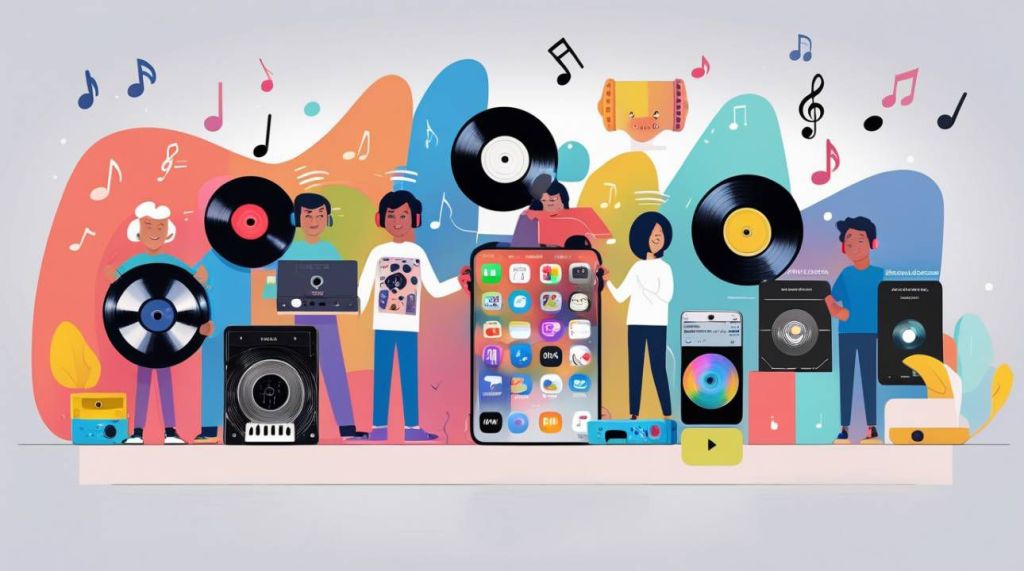
Music has always been a universal language that transcends borders, cultures, and generations. Yet, the way we consume music has dramatically changed over the past decades. Each generation has not only experienced music differently but has also embraced distinct formats and technologies that shaped their listening habits. Let’s take a journey through time, from the era of Baby Boomers to the emerging Gen Alpha, exploring the evolution of music formats and the apps and services that have defined each generation’s soundtrack. 🎵
Baby Boomers (Born 1946–1964) – The Era of Vinyl and Cassettes 📼
For Baby Boomers, music was tangible. Before the age of digital streaming, listening to music meant owning a physical copy. Vinyl records were a cornerstone of musical enjoyment, offering a rich and warm sound that collectors still cherish today. By the late 1970s and 1980s, cassettes became a symbol of personal music freedom. Suddenly, people could make mixtapes, share favorite songs with friends, or enjoy music in their cars.
Popular artists during this era included The Beatles, The Rolling Stones, and Motown legends like Stevie Wonder. Radios and record players were primary tools, but cassettes gave listeners a more portable and personal experience. Music consumption was as much about the ritual of playing a record or rewinding a tape as it was about the music itself. 📻
Key Music Platforms for Baby Boomers:
• Vinyl records
• Cassette tapes
• AM/FM Radio
• Live concerts and festivals
Generation X (Born 1965–1980) – CDs and the Dawn of Digital 🎧
Gen X witnessed a technological shift that redefined music consumption. Compact Discs (CDs) emerged in the early 1980s, promising higher sound quality and greater durability than vinyl or cassettes. For many, owning a CD collection became a source of pride, and the convenience of skipping tracks without rewinding or flipping a tape revolutionized listening habits.
The 1990s introduced digital audio formats, particularly the MP3. Suddenly, music could be stored on computers, burned onto CDs, and even shared through early file-sharing platforms like Napster. Music was no longer entirely tied to physical formats, opening the door to the digital age.
Artists like Nirvana, Tupac Shakur, and Madonna defined the soundtrack of Generation X. Music was a personal journey but also a social experience, as mixtapes and CDs were frequently swapped among friends. 🎸
Key Music Platforms for Gen X:
• Compact Discs (CDs)
• Cassette tapes (still popular)
• MP3 files
• Radio and early music television (MTV)
• Early online music sharing platforms
Millennials (Born 1981–1996) – MP3s and the Rise of Streaming 📱
Millennials grew up alongside the internet, making them the first generation to fully embrace digital music. MP3 players, like the iconic iPod, allowed for thousands of songs to fit in a pocket, revolutionizing how music was accessed and carried. The 2000s also saw the rise of peer-to-peer platforms like LimeWire, which, for better or worse, changed the landscape of music distribution forever.
By the late 2000s, streaming began to emerge as a major force. Platforms like Spotify, launched in 2008, made it possible to access millions of tracks instantly, creating an entirely new way to discover and enjoy music. Millennials, in particular, thrived on playlists, curated recommendations, and the social sharing of songs online. 🎶
Popular artists for Millennials ranged from Beyoncé and Coldplay to Eminem and Lady Gaga. Music became a highly personal yet globally shared experience, bridging the gap between technology and cultural expression.
Key Music Platforms for Millennials:
• MP3 players (iPods, MP3 CDs)
• Online music stores (iTunes, Amazon Music)
• Early streaming services (Pandora, Spotify, YouTube)
• Social media platforms (MySpace, Facebook) for music sharing
Generation Z (Born 1997–2012) – Streaming as a Lifestyle 🌐
Generation Z has never known a world without streaming. Platforms like Spotify, Apple Music, and YouTube have become the norm, offering instant access to virtually every song ever recorded. Unlike previous generations, Gen Z doesn’t necessarily “own” music; they stream it, create playlists, and engage with music through social media trends, TikTok dances, and viral challenges.
This generation’s listening habits are highly curated and social. Music discovery often comes through friends, influencers, or trending content rather than traditional radio or even albums. Gen Z has also embraced visual and interactive elements of music, from music videos to augmented reality experiences.
Artists like Billie Eilish, BTS, and Olivia Rodrigo dominate the Gen Z soundscape, reflecting a generation that values diversity, authenticity, and connectivity in music. 🎤
Key Music Platforms for Gen Z:
• Spotify, Apple Music, Amazon Music
• YouTube and YouTube Music
• TikTok and Instagram Reels for music discovery
• Podcasts and live-streamed concerts
Generation Alpha (Born 2013–2025) – The Era of Smart Devices and AI Music 🤖
Generation Alpha is still growing up, but their musical landscape is already defined by smart devices, AI-powered recommendations, and immersive technologies. Kids in this generation are introduced to music through voice assistants like Alexa or Google Home, interactive apps, and curated playlists designed for learning, relaxation, or entertainment.
Expect the Alpha generation to embrace ultra-personalized music experiences. AI will recommend tracks based on mood, activity, or even biometric feedback. Music consumption will likely be integrated seamlessly with other aspects of daily life, from gaming to virtual reality environments. 🕹️
Popular platforms for Generation Alpha include:
• Smart speakers and AI assistants
• YouTube Kids and Spotify Kids
• Music-integrated apps for learning and games
• VR/AR immersive music experiences
Conclusion: The Ever-Changing Soundtrack of Life 🎶
From the tactile joy of cassettes for Baby Boomers to the AI-curated playlists of Generation Alpha, each generation has experienced music uniquely. Formats and technologies have evolved, but the core connection remains: music reflects who we are, what we feel, and how we relate to the world around us.
No matter the format—whether spinning vinyl, burning CDs, downloading MP3s, or streaming a curated playlist—the power of music to inspire, comfort, and unite remains timeless. And as technology continues to advance, one thing is certain: music will always evolve alongside us, shaping and reflecting our generational experiences. 🌟 -
AI + Human: How to Create Living Music with Technology
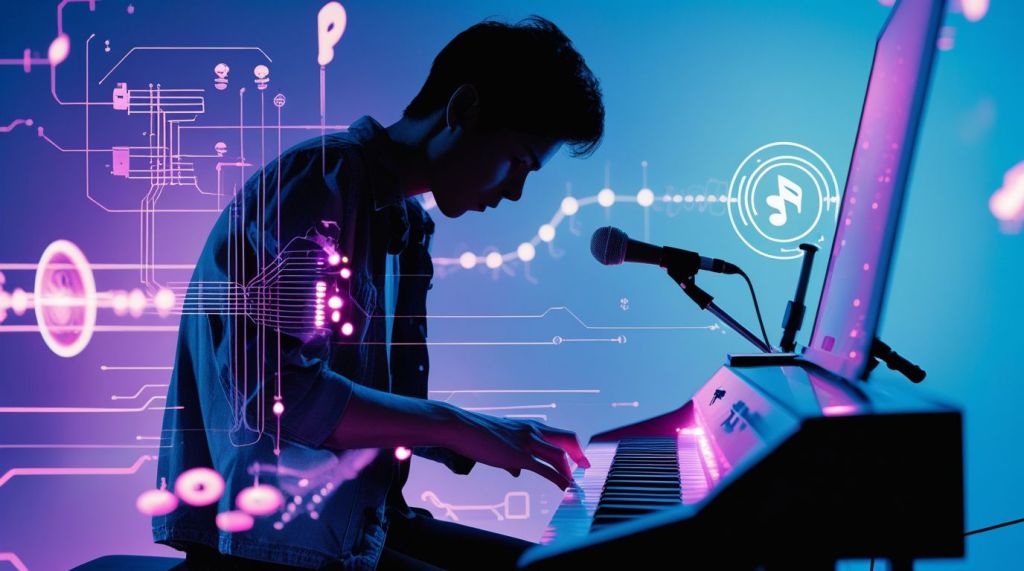
The music industry is entering an era where creativity is no longer limited to traditional instruments or human imagination alone. Artificial Intelligence is not here to replace musicians but to become their co-creator, offering fresh perspectives, tools, and inspiration. When used wisely, AI can help artists unlock new ideas, refine their workflow, and even reach audiences faster than ever before.
If you’ve already explored AI music apps and services, or learned about how AI supports creativity without replacing it, you’ll see that the key is not “AI vs. human,” but “AI + human.” Let’s dive into how this collaboration can bring music to life.
Approaches to Human + AI Collaboration
1. Idea Generation
AI can quickly suggest melodies, chord progressions, or rhythmic patterns. Instead of staring at a blank page, musicians can start with an AI-generated seed and then shape it into something unique. The human touch adds depth, storytelling, and emotion that algorithms cannot replicate.
2. Co-Editing and Refinement
Musicians can record a rough sketch and then use AI tools to polish it—adjusting timing, suggesting harmonies, or balancing the mix. This approach saves hours of technical work and leaves more room for artistry.
3. Experimentation Across Genres
Curious how your acoustic ballad would sound with a lo-fi beat or cinematic strings? AI can help simulate cross-genre variations in seconds. While some will be discarded, others may open creative doors you hadn’t considered.
4. Personalized Practice and Learning
Beyond composition, AI can act as a practice partner. It can generate backing tracks at different tempos or styles, making rehearsals more dynamic and motivating.
Mini-Tips for Beginners
Getting started with AI in music doesn’t have to be overwhelming. Here are a few prompts and practices to explore:
• For melody generation: Try asking an AI tool, “Create a 4-bar melody in a jazzy style with a smooth flow.” Even if you don’t love the result, it can spark new directions.
• For lyric ideas: Use prompts like, “Suggest chorus lines about hope after a storm in an indie-folk mood.” Refine them with your own voice and storytelling.
• For editing: Feed your draft into AI mixing assistants with clear instructions, such as, *“Balance vocals to be warmer and slightly louder than the instruments.”*
• For inspiration: Ask AI to reimagine your track in another genre—sometimes an unexpected version reveals the strongest hook.
Remember: prompts don’t need to be perfect. They are simply starting points that you refine with your artistry.
Why This Partnership Matters
AI is best seen as a collaborator that brings efficiency and experimentation, while humans bring authenticity, emotion, and context. The most powerful music will always come from lived experiences and personal expression—but technology can help capture those feelings more effectively.
Musicians who embrace AI as a partner are not losing their identity. They are expanding their toolkit. Just as synthesizers once transformed the sound of the 1980s, AI is shaping the sound of the 2020s and beyond. The real art lies in blending technology with humanity to create music that feels alive.
Final thought: Music has always evolved through new tools, from electric guitars to digital audio workstations. AI is simply the next instrument—one that learns, adapts, and collaborates. The question is not whether it will replace musicians, but how musicians will use it to create something truly original.

 Tinytunes.app