-
Tiny tunes app android
Tiny Tunes is a free music player and downloader app for Android devices. It allows you to search and download songs from the internet and create playlists to play your music. You can also stream music online and listen to radio stations. The app has a simple and easy-to-use interface, and it supports various audio formats such as MP3, WAV, and M4A. You can use Tiny Tunes to discover new music and artists, or to listen to your favorite songs on the go.
Where download tiny tunes app for android

You can download Tiny Tunes for Android from the Google Play Store. Here are the steps:
- Open the Google Play Store app on your Android device.
- In the search bar, type “Tiny Tunes” and press Enter.
- Select the app from the search results.
- Tap the “Install” button to begin the download process.
- Wait for the download and installation process to complete.
- Once the app is installed, you can launch it from the app drawer on your device.
- In your browser, download the TinyTunes .APK file here: TinyTunes 1.16.2 APK Download
Alternatively, you can also download the Tiny Tunes APK file from a third-party website and install it manually on your device. However, it’s important to be careful when downloading apps from external sources, as they may contain malware or other malicious software.
-
How AI Helps Musicians Without Replacing Their Creativity 🎶🤖✨
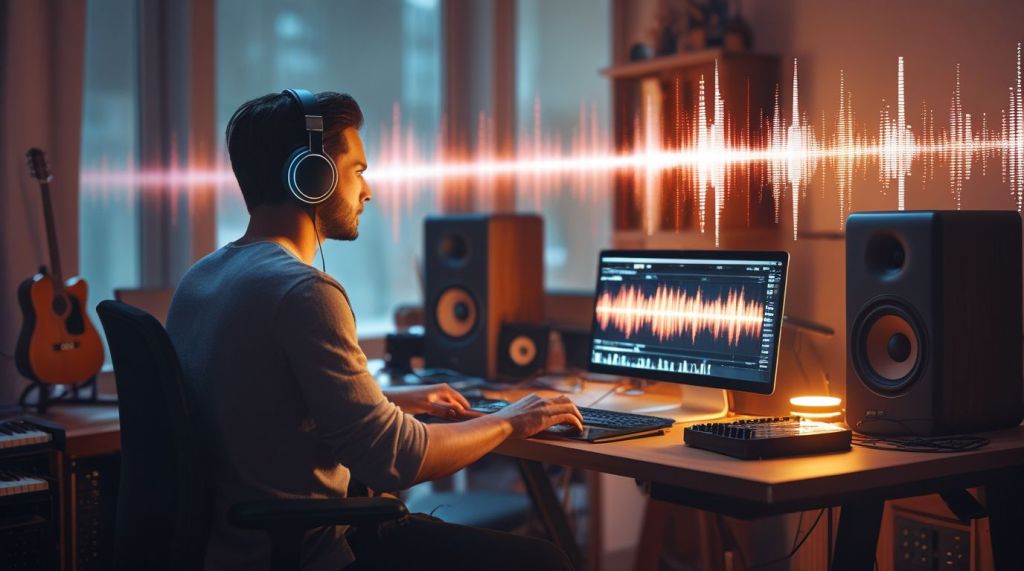
Artificial intelligence has entered almost every creative field — from visual art to writing — and music is no exception. Today, musicians around the world are experimenting with AI-powered tools. Some use them to generate melodies, others to polish arrangements, and many to overcome creative blocks.
But let’s address the big question: does AI replace the musician? Absolutely not. Instead, it can become a supportive partner, expanding possibilities while leaving the soul of music — human creativity and emotion — in the artist’s hands.
How AI Supports the Creative Process 🎹
AI is not here to take away inspiration; rather, it acts as a catalyst. Here’s how:
1. Idea generation
Tools like AIVA, Amper, or MuseNet can create chord progressions, beats, or even entire drafts of songs. They provide a “starting canvas” when inspiration feels stuck.
2. Experimentation
Want to hear how your melody sounds in jazz, electronic, or orchestral style? AI can instantly re-arrange and let you test new genres without hiring a full band.
3. Efficiency
Time-consuming tasks like cleaning audio tracks, balancing sound levels, or generating backing vocals can be automated, leaving more time for true creativity.
4. Personalized practice
Some platforms adjust backing tracks to your instrument and skill level, turning practice into a more engaging and productive experience.
Human Creativity: The Irreplaceable Ingredient 🎤💡
While AI can generate impressive results, it lacks what makes music truly powerful: emotions, life experience, and authenticity.
• A computer can suggest a melody, but only a human can decide whether it communicates sadness, joy, or rebellion.
• AI can replicate genres, but it cannot invent cultural context or reflect personal stories.
• Music becomes meaningful when an artist shares their unique perspective — something no algorithm can imitate.
In other words, AI is a tool, not a voice. The artist remains the storyteller.
Real-World Examples of AI in Music 🌍🎵
• Taryn Southern, an American singer, used AI to co-create her album *I AM AI*. She described the process as “co-writing with a super-powerful bandmate” — but the final emotion and lyrics still came from her.
• Endel, an AI app, generates personalized soundscapes for focus and relaxation. Yet when musicians collaborate with it, they tailor these soundscapes to reflect deeper moods and atmospheres.
• Film composers often use AI-generated drafts to quickly explore musical themes, then refine them into emotionally rich scores for cinema.
These cases show that AI works best when musicians remain in control, guiding and reshaping what the machine produces.
Practical Tips for Musicians Using AI 🎧✅
1. Use AI for sketches, not finished products. Treat generated content as raw material that you refine into art.
2. Always add your human touch. Lyrics, dynamics, and emotional interpretation should remain yours.
3. Experiment across genres. Let AI show you possibilities you might not consider, then decide which ones resonate.
4. Stay authentic. Don’t rely too much on algorithms; let them inspire, not define.
5. Learn continuously. New AI tools appear monthly. Explore them, but filter through your artistic vision.
Conclusion 🎯
AI will never replace musicians, because music is more than sound — it’s a reflection of the human soul. What AI can do is accelerate the technical side, spark new ideas, and free artists from routine.
The most powerful formula is simple:
AI generates possibilities, but humans transform them into emotions.
So, if you’re a musician, don’t fear the rise of AI — embrace it as a creative ally. Use it to experiment, save time, and push your artistic boundaries, but always remember: the melody of life is written by you. 🎶💙 -
AI in Music 2025: Apps and Services That Help Create Songs 🎶🤖

Artificial Intelligence has moved from being a futuristic idea to becoming an everyday companion for creative professionals. Nowhere is this shift more visible than in music production. In 2025, AI is no longer just an experimental tool for tech enthusiasts — it has become a trusted partner for musicians, producers, and even hobbyists who want to create songs from scratch. Whether you need a melody, a rhythm section, or even full song lyrics, AI-powered tools are making the process faster, more accessible, and surprisingly inspiring.
Below we will look at the most exciting AI apps and services available in 2025, explore how they help with songwriting, and discuss why they are shaping the future of music.
Why AI in Music Is Booming in 2025
Music creation has always required talent, patience, and technical knowledge. But today, AI lowers many of those barriers. Instead of needing a full studio or years of experience, beginners can sketch out professional-level ideas with just a laptop or smartphone.
The growth of AI in music is fueled by:
• ⚡ Speed: AI can generate beats, melodies, or lyrics in seconds.
• 🎛️ Accessibility: Many platforms work online with simple interfaces, meaning anyone can use them.
• 💡 Inspiration: Musicians facing writer’s block can rely on AI for fresh ideas.
• 🌍 Collaboration: Artists around the world can now co-create across genres with the help of shared AI tools.
For professionals, AI doesn’t replace creativity — it enhances it. It works as an assistant, a co-writer, or even a session musician who is always available.
AI Tools for Melody and Composition 🎹
AIVA (Artificial Intelligence Virtual Artist)
AIVA is one of the best-known AI composition tools. Originally designed for classical and cinematic music, it now offers a wide variety of genres. Musicians can choose a style, adjust tempo and mood, and instantly generate original pieces. AIVA is especially popular with film creators, YouTubers, and indie game developers who need royalty-free background tracks.
Amper Music
Amper has become a reliable tool for generating customized soundtracks. Its strength lies in flexibility: you pick instruments, mood, and structure, then refine the track until it feels right. For many independent artists, Amper is a lifesaver when they need quick compositions without hiring a full band or studio.
Soundraw
Soundraw is all about intuitive creation. It allows musicians to generate original songs by simply selecting length, mood, and genre. The interface is friendly, making it easy for beginners to create high-quality tracks. Unlike stock libraries, Soundraw produces unique music every time, so artists get personalized results.
MuseNet by OpenAI
MuseNet, an advanced AI model, has become a go-to option for musicians looking for experimental and boundary-pushing ideas. It can blend genres in ways humans rarely think of — like mixing jazz harmonies with electronic beats. MuseNet inspires musicians to explore new soundscapes and experiment with structures they wouldn’t normally try.
AI for Rhythm, Beats, and Production 🥁
AI is not limited to melodies. Many services now specialize in rhythm generation, sound design, and even mastering. Tools like Endlesss, Boomy, and Beatoven.ai are gaining popularity because they help producers experiment with beats, percussion, and grooves that match specific genres.
For electronic musicians, this is revolutionary: no more hours tweaking drum machines. Instead, AI provides instant beat patterns that can be customized and integrated into existing projects.
AI for Lyrics and Songwriting ✍️
Writing lyrics can be just as challenging as composing music. AI-powered lyric generators are changing this. Platforms like ChatGPT-based lyric assistants, These Lyrics Do Not Exist, and Jukebox AI help artists find themes, rhymes, and creative wordplay.
The biggest advantage? They remove the fear of the blank page. Artists can take AI-generated drafts, then refine them with personal emotion and storytelling. This collaboration creates songs that feel both fresh and authentic.
Real-World Use Cases 🌍
• Indie Musicians: Use AI to produce demos quickly, reducing costs of studio time.
• Content Creators: Generate unique background tracks for podcasts, YouTube videos, or social media.
• Game Developers: Create adaptive soundtracks that respond to player actions using AI music engines.
• Students & Hobbyists: Learn music theory and composition in a playful, hands-on way.
Challenges and Ethical Questions ⚖️
Of course, AI in music raises concerns:
• Who owns the copyright of AI-generated songs?
• Will overreliance on algorithms reduce originality?
• How do we value human creativity in an AI-driven industry?
These questions remain open, and musicians in 2025 are actively debating them. Still, the general consensus is that AI should be a partner, not a replacement. It’s there to support human imagination, not erase it.
The Future of AI Music Creation 🚀
Looking ahead, AI is expected to become even more integrated with live performance, virtual reality concerts, and interactive platforms. Imagine attending a show where the music is co-created in real time by both the artist and AI, adapting to the audience’s mood.
For now, the tools we have are already game-changing. They save time, spark ideas, and give more people the ability to express themselves musically.
Conclusion 🎧
In 2025, AI in music is not a futuristic dream — it’s the present reality. From melody generators like AIVA and MuseNet, to lyric assistants and beat creators, the landscape of songwriting has never been richer. These tools empower both professionals and beginners to create songs with confidence, speed, and creativity.
If you’ve ever wanted to write a song but didn’t know where to start, now is the perfect time. With AI by your side, all you need is curiosity, and the music will follow.
✨ Have you tried any AI music apps yourself? Share your experience in the comments — your insights could inspire the next generation of songwriters! -
The Evolution of Music Apps: From 2025 to 2026 🎶
Music tech never stands still. Every year we see fresh updates, smarter tools, and new ways for musicians and listeners to connect. Looking back at 2025 and forward to 2026, the music app landscape is changing faster than ever — and those changes affect both everyday users and industry pros.
A Quick Recap of What We’ve Seen
In our look at the best music apps of 2025, we explored how this year brought a wave of innovation: AI-powered songwriting tools, new collaborative features for remote bands, and advanced streaming recommendations that feel more personal than ever.
Just a year later, early announcements for 2026 apps show us that developers are doubling down on immersive experiences, tighter integration with social platforms, and smarter monetization features for independent artists.
Together, these two snapshots tell us something important: user behavior and expectations are shifting quickly.
Changing User Habits 🎧
2025 showed us that users no longer want just a player; they want an all-in-one creative hub. Casual listeners are spending more time inside apps, curating playlists that blend human taste with AI suggestions. Musicians are also adapting — learning to build micro-communities within platforms instead of relying solely on external promotion.
Moving into 2026, habits are becoming even more social and interactive. Fans expect real-time engagement (live listening parties, shared playlists, creator Q\&A sessions) built directly into apps. The line between “audience” and “artist” continues to blur, making apps both performance spaces and collaboration studios.
What This Means for Musicians and Producers 🎹
For musicians, this evolution opens up opportunities — but also challenges:
• Monetization: Apps in 2026 are creating more built-in ways to earn from fans (tipping, exclusive content, NFT-like digital collectibles). Producers and independent artists who adopt early could see real income streams.
• Collaboration: Cloud-based production tools are maturing. Instead of sending files back and forth, whole tracks can be built collaboratively in real time.
• Promotion: With apps becoming mini social networks, the smartest move for musicians is to treat them as platforms to build loyal communities, not just distribution channels.
• Adaptability: The tech cycle is fast. Artists who stay curious, test new features, and remain flexible will stay ahead.
Final Thoughts
Between 2025 and 2026, music apps are no longer just utilities — they’re ecosystems. They connect fans, enable creation, and provide income opportunities. For everyday users, this means richer listening experiences. For musicians and producers, it’s a call to rethink how you create, share, and earn from your work.
✨ The evolution is just beginning. If you’re part of the music world, the question isn’t whether to adapt — it’s how fast you can embrace what’s next. -
Music Apps 2026: First Announcements and Emerging Trends 🎶✨

The new year has just begun, and the music tech world is already buzzing with exciting announcements. Music apps have become more than just players — they are now personal assistants, creative tools, and gateways to entire communities. If 2025 was the year of AI-assisted playlists and immersive audio formats, then 2026 is already shaping up to be a year of cloud-native platforms, deeper AI integration, and groundbreaking user experiences.
In this article, we’ll dive into the first announcements of 2026, explore the technologies driving the evolution of music apps, and compare them with last year’s developments.
1. AI Takes the Lead 🤖🎧
Artificial Intelligence has been a key trend for several years, but in 2026, it’s no longer just a feature — it’s becoming the core of many music apps.
• AI-powered composition: Several apps announced updates that allow users to generate melodies, beats, or even full songs with just a text prompt. What used to require professional equipment is now available to anyone with a smartphone.
• Context-aware playlists: Imagine your app recognizing your mood from voice tone or activity level and automatically creating a playlist. That’s no longer science fiction — apps like SoundScape AI and Moodify announced early beta versions of such features this year.
• AI-driven vocal coaching: Some platforms are introducing real-time feedback on pitch, rhythm, and tone, turning casual karaoke into serious training sessions.
Compared to 2025, when AI was mostly about playlist curation and music discovery, 2026 is clearly pushing AI into active music creation and education.
2. Cloud-Native Experiences ☁️🎵
Another major trend in 2026 is cloud-first design. Music apps are no longer limited by the storage of your device:
• Seamless sync across devices: Whether you start a playlist on your phone, continue it on your smart TV, and finish on your car system, everything is instantly in sync.
• Collaborative playlists in real time: Friends in different cities can now build a playlist together while chatting inside the app — almost like a musical group chat.
• Cloud-based music production: Instead of downloading heavy software, apps like MixHub and BeatForge Cloud let users produce tracks entirely online, storing every edit in the cloud.
In 2025, cloud sync was mostly about offline downloads and simple sharing. This year, it’s evolving into fully collaborative ecosystems where music becomes more social and borderless.
3. New Formats and Listening Experiences 🎼✨
With hardware innovations in headphones, smart speakers, and even AR/VR devices, apps are adapting quickly.
• Spatial Audio 2.0: In 2025, spatial audio was still niche. Now, it’s becoming standard. Apps are integrating multi-layer sound formats designed for AR glasses and VR concerts.
• Lossless + Adaptive Streaming: While 2025 brought more lossless options, 2026 introduces adaptive lossless, where apps optimize audio quality depending on network conditions without noticeable drops.
• Interactive tracks: Some apps now support songs with multiple versions in one file — users can switch between acoustic, remix, or live modes while listening.
This shift means music apps are no longer just about playback. They’re becoming platforms for immersive, customizable experiences.
4. User Experience and Design Trends 📱🎨
Beyond the tech, the UX design of music apps in 2026 reflects broader cultural shifts:
• Minimalist dashboards: Simpler, distraction-free interfaces that focus on the listening experience.
• Personalized skins: Apps now allow users to style their own music player, making it feel unique.
• Micro-communities: Instead of huge global chats, users are gathering in smaller, interest-based groups around genres, instruments, or even specific playlists.
In 2025, community features were optional add-ons. In 2026, they’re becoming essential.
5. Comparing 2025 vs 2026 🔄📊
When we look back at 2025 and compare it with the first announcements of 2026, the difference is striking.
In 2025, AI in music apps was mainly about recommending playlists and helping users discover new songs. In 2026, AI has moved much further — it is now capable of generating complete songs from text prompts and even offering real-time vocal coaching.
Cloud technology in 2025 mostly meant simple synchronization between devices and the ability to download tracks for offline use. In 2026, cloud support has evolved into real-time collaboration, where friends can build playlists together, and even into full-scale cloud-based music production tools.
As for formats, in 2025 spatial audio was present but remained a niche feature. By 2026, we already see “Spatial Audio 2.0” becoming standard, and even interactive tracks that allow listeners to switch between different versions of the same song — acoustic, live, or remixed.
Finally, in terms of user experience, 2025 apps were packed with features but often felt cluttered. In 2026, the design trend has shifted toward minimalism, personalization, and the creation of stronger micro-communities inside apps.
6. What to Expect Next 🚀🎶
If these early announcements are any indication, the rest of 2026 will be transformative. We can expect:
• AI music labels — virtual labels signing AI-generated artists.
• Deeper integration with wellness apps — playlists aligned with meditation, fitness, or therapy.
• Hybrid live events — concerts streamed in VR with interactive fan participation.
The line between listening and creating is blurring, and music apps are leading that evolution.
Final Thoughts 🌟
Music apps in 2026 are not just tools — they are companions, collaborators, and creative partners. Compared to the incremental changes of 2025, this year feels like the beginning of a new era. Whether you’re a casual listener, a hobbyist musician, or a professional producer, these trends open up new ways to engage with music.
🎧 One thing is certain: the soundtrack of our lives will never be the same again. -
Best Music Apps of 2025: What’s New for Musicians and Creators
Music creation has never been more accessible than in 2025. With the rapid development of mobile technology and innovative apps, aspiring musicians, hobbyists, and even professional producers can now compose, mix, and share music directly from their smartphones or tablets. 🎹
Whether you’re looking for tools to compose melodies, create beats, or collaborate online, this year has introduced several exciting apps that stand out for their creativity, usability, and advanced features. In this article, we’ll explore some of the best music apps of 2025 and see what makes them unique.
1. Splice Beat Maker: Creating Beats Has Never Been Easier 🥁
Splice has long been a go-to platform for samples and loops, but the 2025 Beat Maker update is truly next-level. With a mobile-friendly interface, users can now:
• Combine loops and samples in real-time
• Use AI-powered suggestions to match chord progressions
• Share projects instantly with collaborators
What makes this app special is its AI-assisted beat generator, which suggests rhythms based on your previous projects. Even beginners can create polished beats without hours of trial and error
2. FL Studio Mobile: The Classic Goes Even Stronger 🎧
FL Studio Mobile remains a staple for producers who love flexibility. The 2025 version introduces:
• Enhanced touch-screen controls for piano roll and mixing
• Cloud integration for seamless switching between devices
• Expanded sample library with royalty-free sounds
This app is ideal for both beginners who want to experiment and pros who need advanced controls on the go. Its cross-device syncing ensures your laptop and mobile projects stay consistent.
3. BandLab: Collaboration Meets Creativity 🌐
BandLab has gained massive popularity thanks to its collaboration-focused tools. The new updates in 2025 include:
• Real-time co-editing of tracks with friends worldwide
• Integrated vocal tuning and effects powered by AI
• A simple interface for beginners without compromising advanced options
Musicians can now create entire songs with remote collaborators, share drafts, and even participate in challenges hosted by the app community. It’s a fantastic option for those who thrive on creative interaction.
4. Auxy Studio: Minimalist, Yet Powerful 🎶
Auxy Studio is perfect for creators who prefer **a minimalist approach**. The app emphasizes simplicity without losing creative depth:
• Intuitive loop-based sequencing
• AI-assisted harmony suggestions
• Smooth export options for various formats
What sets Auxy apart is its focus on workflow. Even if you’re new to music production, the clean interface allows you to focus on creativity, not technical hurdles.
5. New Trends in Music Apps: AI, Cloud, and Mobile Integration 🤖☁️
Looking beyond individual apps, 2025 is shaping up as a year of integrated, AI-powered music creation. Some notable trends include:
• AI composition assistants that suggest melodies, harmonies, and even lyrics
• Cloud-based collaboration, allowing seamless transitions between mobile, desktop, and tablet
• Enhanced social sharing, making it easier for creators to showcase their work
These trends are not only changing how music is made but also how musicians learn and connect with audiences.
6. How to Choose the Right Music App for You
With so many options available, how do you pick the perfect app? Consider these tips:
• Your skill level: Beginners may prefer apps like Auxy or BandLab, while pros might lean towards FL Studio Mobile.
• Your goals: Are you composing beats, recording vocals, or collaborating with others?
• Device compatibility: Make sure the app integrates smoothly with your workflow, whether you’re on a phone, tablet, or laptop.
• Community and support: Active communities can offer inspiration, tutorials, and feedback.
Remember, the best app is the one that keeps you motivated to create and fits your personal workflow. 🎨
7. Conclusion: Embrace the Music Revolution 🎵✨
The music apps of 2025 show that anyone can become a creator, regardless of experience. From AI-assisted beat generation to seamless cloud collaboration, these tools are designed to inspire and empower.
Whether you’re a hobbyist experimenting in your bedroom or a professional producing on the go, these apps make music creation more accessible and fun than ever. So pick one, dive in, and let your creativity flow! 🌊
Pro tip: Stay tuned for our next article where we explore upcoming 2026 music apps and see how trends are evolving. -
Why TinyTunes Lost Its Edge: Lessons for Developers 🎵
TinyTunes was once hailed as one of the most popular Android music apps, attracting millions of users who loved its ability to stream and download songs with ease. Its simple interface, vast library, and free access made it a favorite among music enthusiasts. But what happened to TinyTunes, and why did it lose its edge over the years? 🤔
To understand the app’s journey, it’s helpful to look back at its rise and fall. TinyTunes initially gained massive popularity because it fulfilled a need that other music apps couldn’t at the time. Users could download tracks, create playlists, and enjoy a music experience that felt almost limitless. The app’s historical impact is detailed in our retrospective piece on The Rise and Fall of TinyTunes: A Historical Look Back at the Popular Android Music App, where we explore the peak years of TinyTunes, its challenges, and the decisions that eventually shaped its decline.
Fast forward to 2025, and TinyTunes looks very different. Today, users face compatibility issues on the latest Android versions, frequent app crashes, and a lack of regular updates. In fact, a comprehensive analysis of its current state can be found in our article TinyTunes in 2025: Updates, Compatibility Issues, and the Current State of the App. These ongoing issues have contributed to a decline in user satisfaction and engagement.
So, why did TinyTunes struggle to maintain its position as a leading music app? Here are a few key lessons for developers:
1. Neglecting Regular Updates Can Be Fatal 🔧
Technology moves fast, and Android updates every year bring new features, security protocols, and compatibility requirements. TinyTunes’ early success made it complacent, and its slow response to OS changes caused many users to switch to alternatives like Spotify or YouTube Music. Developers should remember that maintaining an app is as important as creating it. Regular updates are not optional—they’re essential.
2. User Experience Matters More Than Ever 🖥️
TinyTunes initially wowed users with its functionality, but over time, bugs, crashes, and poor UI adaptation hurt the overall experience. Even the best features can’t save an app if it frustrates users. Prioritizing usability, testing across multiple devices, and listening to feedback are critical steps for long-term success.
3. The Danger of Relying on Popularity Alone 🌟
One of TinyTunes’ biggest mistakes was assuming that past success guaranteed future dominance. Popularity can be fleeting, especially in the fast-moving mobile app ecosystem. Developers need to innovate continuously and anticipate shifts in user behavior. Apps that fail to evolve risk becoming obsolete, no matter how large their user base once was.
4. Security and Legal Compliance Cannot Be Ignored ⚖️
TinyTunes’ ease of downloading music drew legal scrutiny, which added pressure on developers. Today, any app that handles media distribution must carefully navigate copyright laws and ensure user safety. Ignoring these aspects can lead to app shutdowns, fines, or bans from app stores—risks that TinyTunes faced firsthand.
5. Community Engagement Builds Longevity 🤝
Successful apps foster a community of engaged users. TinyTunes could have leveraged its loyal user base for feedback, beta testing, and even promotional content. Engaging users creates a sense of ownership and encourages them to stick with the app, even through rough patches.
Conclusion
TinyTunes’ story is a cautionary tale for developers everywhere. Its rise demonstrated the power of innovation, simplicity, and meeting user needs. Its decline highlights the importance of adaptability, regular updates, and user-centric design. For anyone building a mobile app today, TinyTunes provides valuable lessons: success is never guaranteed, and staying ahead requires constant attention, creativity, and care.
While TinyTunes may no longer dominate the music app scene, understanding its journey can help developers avoid similar pitfalls and create apps that stand the test of time. By learning from both the highs and lows of TinyTunes, the next generation of apps can aim not just for popularity, but for lasting relevance. 🌱 -
The Rise and Fall of TinyTunes: A Historical Look Back at the Popular Android Music App 🎵📱
When we talk about iconic Android apps from the early 2010s, a few names come to mind instantly — tools that defined an era when smartphones were still fresh, and the app market was the Wild West. One of those apps was TinyTunes.
For many music lovers, TinyTunes was more than just a piece of software. It was a gateway to a world of free music, mixtapes, and remixes, at a time when Spotify was still gaining traction and YouTube Music didn’t even exist. Let’s take a step back and revisit the fascinating history of this once-beloved app — how it rose, peaked, and eventually faded away. 🚀
The Early Days: An Underground Favorite 🌱
TinyTunes first appeared as a lightweight Android APK outside the Google Play Store. This fact alone made it intriguing — apps you couldn’t find in the official store always carried an aura of mystery.
Its pitch was simple yet powerful:
• Search for songs across multiple sources.
• Stream music directly or download it for offline listening.
• Build your own playlist library without paying for a subscription.
Back in the late 2000s and early 2010s, when most people still downloaded MP3 files from websites or torrents, this was revolutionary. TinyTunes consolidated the music hunt into one clean interface. Users who had been juggling between shady sites and slow downloads suddenly had everything in their pocket.
Golden Years: The Peak of Popularity ✨🎶
By the mid-2010s, TinyTunes had reached the peak of its popularity. Blogs, tech forums, and APK repositories were buzzing with recommendations.
Why it was loved:
• Simplicity: The app wasn’t bloated. It loaded fast and worked on even the cheapest Android phones.
• Variety: From mainstream pop hits to obscure remixes, you could find almost anything.
• Offline freedom: Unlike early Spotify or Deezer, TinyTunes let you truly own your tracks — something people valued highly.
TinyTunes even became a kind of “underground Spotify” for teenagers and students who couldn’t afford subscriptions. It was also a go-to for travelers, DJs, and people living in countries with poor internet access. 🌍
For a while, it looked like TinyTunes had found its permanent place in the Android music ecosystem.
Clouds on the Horizon: Legal and Technical Challenges ⚠️
But with success came challenges.
1. Copyright Pressure:
The app allowed access to copyrighted material without official licenses. This raised legal red flags, and eventually led to pressure from labels and streaming companies. Unlike Spotify, which built partnerships with record companies, TinyTunes operated in a grey zone.
2. Google Play Ban:
TinyTunes never officially entered the Play Store. Instead, it had to rely on APK distribution sites. While this kept it alive, it also meant:
• Fewer updates.
• Higher risk of fake or infected versions.
• Limited trust from mainstream users.
3. Technological Shifts:
Around 2018–2020, Android phones transitioned more heavily toward 64-bit app support. TinyTunes, stuck in older 32-bit builds, struggled to keep up. By the time 2023–2024 devices rolled out, incompatibility had become a major barrier.
The Slow Decline: 2020 and Beyond 📉
By 2020, signs of TinyTunes’ decline were clear. Updates became irregular. Users noticed broken search results, failed downloads, and frequent crashes.
On forums like Reddit, threads appeared with titles like:
> “Is TinyTunes dead?”
> “It keeps saying my device is not compatible.”
By 2024, many reviews on APK repositories described it as “outdated but nostalgic.” A tool people remembered fondly, but one that no longer worked reliably in a world dominated by Spotify, YouTube Music, Apple Music, and other streaming giants.
The once-vibrant underground gem had quietly become an artifact of Android history.
Legacy: Why TinyTunes Still Matters 💡
Despite its decline, TinyTunes deserves recognition for what it represented:
• Accessibility: It brought music to people who couldn’t afford or access streaming subscriptions.
• Innovation: It showed the demand for offline-first, user-controlled music apps.
• Cultural impact: For many users, TinyTunes was the app that introduced them to new genres, underground remixes, and indie tracks they wouldn’t have discovered otherwise.
Even though the app itself has faded, its spirit lives on in modern open-source projects like NewPipe or apps like YMusic, which continue to champion simplicity and freedom.
A Nostalgic Farewell 🎧❤️
TinyTunes may not run on your shiny new Galaxy S24 or Pixel 9, but for those who used it during its golden years, it holds a special place in digital history. It was a product of its time — when the internet felt freer, Android was more open, and music discovery was a wild adventure.
So next time you open Spotify or download tracks legally for offline use, remember: TinyTunes helped pave the way.
👉 It wasn’t perfect. It wasn’t official. But it was unforgettable. 🌟 -
TinyTunes in 2025: Updates, Compatibility Issues, and the Current State of the App 🎶📱

If you’ve been around the Android scene for a while, chances are you’ve heard of TinyTunes — the once-popular app that allowed users to search, stream, and download music directly to their devices. For years, it was a go-to option for people looking for a lightweight, easy-to-use alternative to traditional streaming platforms. But here we are in 2025, and the big question is: what’s happening with TinyTunes now?
In this article, we’ll dive into the latest updates, the app’s compatibility challenges, user feedback, and whether it still makes sense to keep TinyTunes on your Android device today. 🚀
The Latest Official Updates 📅
The last widely available version of TinyTunes that circulated on popular APK repositories such as Uptodown and APKPure was v1.17.1. Depending on the source, you’ll see the “last updated” date marked either in late 2020 (Uptodown) or as recently as December 2024 (APKPure).
This discrepancy already tells us something important: official support and communication around TinyTunes have faded. Unlike mainstream apps that maintain clear release notes, changelogs, and an active development community, TinyTunes updates appear inconsistent and fragmented across third-party sites.
That means users often have to rely on external APK sites to download or reinstall the app, which isn’t always safe or reliable. 👀
Compatibility Problems in 2025 ⚠️
One of the biggest hurdles TinyTunes users face today is compatibility with modern Android devices.
1. 32-bit vs. 64-bit Apps
Recent flagship devices, such as the Samsung Galaxy S24 series and many other 2024–2025 releases, no longer support **32-bit applications**. Unfortunately, TinyTunes falls into this category. This results in errors like:
❌ “Your device is not compatible”
❌ Constant crashes on startup
❌ Failed installations
In short: if you’ve upgraded to a newer Android phone, chances are TinyTunes simply won’t work anymore.
2. Outdated Interface and API Issues
Apps like TinyTunes depend on external databases and APIs to fetch songs. Because the app hasn’t received consistent development updates, some of those connections are broken or unstable. This means:
• Search results are incomplete or inaccurate.
• Streaming links may fail.
• Downloads sometimes don’t start at all.
3. Play Store Absence
TinyTunes was never officially hosted on the **Google Play Store**, and in 2025, this continues to be a limitation. With increased restrictions and Google’s push toward official licensed streaming apps (Spotify, YouTube Music, etc.), sideloading TinyTunes feels more outdated and riskier than ever.
What Users Are Saying 🗣️
User feedback paints a clear picture of TinyTunes’ decline:
• On Reddit, many Android enthusiasts report that the app “no longer works on modern devices” or constantly crashes.
• Reviews on APK repositories include frustrations about missing features, lack of updates, and incompatibility errors.
• Some long-time fans still praise its lightweight design and offline download capability — but only if it works on their older phones.
For instance, one review highlighted:
> “I loved TinyTunes for years, but my new Galaxy S24 just refuses to run it. I guess it’s time to move on.” 😢
This shows how the app has moved from being a daily driver to more of a nostalgic relic of Android’s past.
Is TinyTunes Still Worth Using in 2025? 🤔
Here’s the reality check:
• If you own a new device (2024 or later) → TinyTunes will most likely not work due to lack of 64-bit support.
• If you’re still using an older Android device → You might get it running, but with limited functionality.
• If you care about security and legality → relying on outdated APKs from third-party sites is a risky choice.
So, while TinyTunes was once a fantastic app for offline music lovers, today it’s better described as “outdated and unsupported.”
Alternatives to Consider 🌟
If you loved TinyTunes for its simplicity and offline features, don’t worry — there are modern alternatives worth checking out:
• YMusic – Great for downloading audio from YouTube with a clean interface.
• NewPipe – Open-source, privacy-focused, and constantly updated.
* Spotify & YouTube Music (with offline modes) – Legal and reliable options, though subscription-based.
These apps provide many of the same benefits TinyTunes once offered but with ongoing updates, 64-bit support, and active communities.
Final Thoughts 💡
TinyTunes was once a gem of the Android ecosystem, offering free music downloads and simple offline playback when streaming wasn’t as accessible. But as of 2025, the app feels stuck in time: outdated, unsupported, and largely incompatible with the latest Android devices.
For nostalgic users with older devices, it might still bring some joy. But for most, it’s time to explore modern, updated alternatives that deliver the same convenience — without the headaches.
👉 TinyTunes had its era, but the music world has moved on. 🎵✨ -
How AI and Personalization Are Shaping the Future of Music Apps 🎵🤖
Music streaming has come a long way since the early days of free apps and file-sharing platforms. Today, the real game-changer is artificial intelligence (AI) and personalization. These technologies are transforming how we discover, listen to, and interact with music, making the listening experience more intuitive and tailored to individual tastes than ever before.
In this article, we’ll explore how AI is shaping the future of music apps, what personalization means for listeners and artists, and why this evolution is more than just a trend — it’s a revolution in the music industry.
The Rise of Personalized Listening 🎧
One of the most noticeable shifts in music apps is the move from generic playlists to hyper-personalized recommendations. AI analyzes your listening habits, preferred genres, skipped tracks, and even the time of day you listen to music. Then it curates playlists and suggests new songs tailored specifically to you.
This shift is part of the broader evolution of free music apps and their impact on the music industry, as discussed in The Evolution of Free Music Apps and Their Impact on the Music Industry. What started as simple MP3 sharing and basic radio stations has transformed into a world where AI predicts your next favorite track before you even know it yourself.
How TinyTunes Compares to Mainstream Apps ⚖️
Not all music apps implement AI and personalization the same way. For example, apps like TinyTunes and mainstream streaming services offer different approaches to recommendations, search algorithms, and user experience.
As detailed in TinyTunes vs Mainstream Streaming Apps: Pros, Cons, and Legal Insights, TinyTunes focuses on accessibility, simplicity, and flexibility, while major streaming platforms often invest heavily in sophisticated AI models for personalized playlists.
This contrast highlights an important point: AI personalization is not just about technology — it’s about how apps connect with users and cater to their unique listening patterns.
AI-Powered Playlists and Discovery 🚀
Personalized playlists have become one of the most popular features in music apps. Services like Discover Weekly or Daily Mix leverage machine learning to recommend songs you might never have found on your own.
Some key benefits include:
• Discovery of new artists and genres you might not have explored otherwise.
• Time-saving curation, reducing the effort to find music that suits your mood.
• Increased engagement, keeping users coming back to the app regularly.
AI-driven discovery also helps independent musicians reach new audiences, as algorithms can push their music to listeners whose preferences align with their sound — a feature particularly important for emerging artists.
Beyond Recommendations: Emotional and Contextual AI 🎶
AI is evolving beyond simple music recommendations. Some apps are now integrating emotional and contextual analysis:
• Adjusting playlists based on your current mood, activity, or location.
• Using AI to detect the energy level of a song to fit workouts, studying, or relaxation.
• Predicting the best moments to release new music to maximize listener engagement.
This level of personalization creates a more immersive and emotionally resonant experience, transforming the way we interact with music.
Challenges and Considerations ⚠️
While AI and personalization offer exciting opportunities, there are challenges:
• Privacy concerns: Music apps collect vast amounts of personal data to fuel AI algorithms. Users need transparency and control over their data.
• Algorithmic bias: AI may favor popular artists or certain genres, limiting exposure to diverse music.
• Over-personalization: Excessive personalization can create “echo chambers,” where users rarely discover anything outside their usual preferences.
Developers must strike a balance between personalization and diversity, ensuring that AI enhances the listening experience without restricting it.
Looking Ahead: The Future of Music Apps 🌟
The future of music apps will likely feature even more sophisticated AI-driven personalization:
• Real-time mood tracking through wearable devices.
• Collaborative AI playlists, where multiple users influence the recommendations together.
• Voice-activated music discovery, integrating natural language understanding for instant access to curated tracks.
For users and artists alike, the possibilities are endless. Personalized experiences not only make listening more enjoyable but also open new revenue streams and engagement strategies within the music industry.
Conclusion
AI and personalization are no longer optional — they are central to the future of music apps. From intelligent recommendations to emotionally aware playlists, technology is reshaping the way we experience music.
Understanding these trends allows both listeners and creators to navigate the evolving landscape of streaming services more effectively. -
The Evolution of Free Music Apps and Their Impact on the Music Industry
Music has always been a universal language, connecting people across cultures and generations. From vinyl records to cassette tapes, CDs, and eventually digital streaming, the way we consume music has evolved drastically. One of the most fascinating chapters in this story is the rise of free music applications, which have dramatically reshaped the music industry, both for artists and listeners. 🎵
The Early Days: Napster and Peer-to-Peer Sharing
The journey began in the late 1990s with platforms like Napster, which introduced millions of users to peer-to-peer file sharing. Suddenly, anyone with an internet connection could access a vast library of songs for free. Napster sparked controversy almost immediately. While listeners loved the accessibility, the music industry was alarmed by piracy concerns. Lawsuits and shutdowns followed, but the idea that music could be instantly available at no cost had already taken root.
Napster’s influence was profound: it created a demand for digital music that record labels could no longer ignore. Even after its closure, users continued searching for alternatives, fueling the next wave of free music apps.
The 2000s: LimeWire, Kazaa, and the Expansion of Free Music Access
Following Napster’s downfall, applications like LimeWire and Kazaa gained popularity. These platforms allowed users to download and share music freely, often without proper licensing. For many, this was a golden age of discovery. Listeners could explore new genres and artists they might never have encountered otherwise.
However, these apps also came with risks: malware, corrupted files, and privacy concerns were rampant. Yet, the core idea—that music could be shared freely online—had set the stage for the next generation of apps.
Enter TinyTunes and Modern Free Music Apps
Fast forward to the 2010s and beyond, with TinyTunes and similar applications leading the charge. Unlike peer-to-peer networks, these apps offered streaming and downloads in a more user-friendly, mobile-friendly format. They democratized access to music even further, allowing users to create playlists, share favorite tracks, and explore new releases without spending a dime.
TinyTunes, in particular, became popular among users who wanted flexibility and freedom without being tied to subscription models. The platform’s convenience and accessibility made it a favorite, especially among younger audiences and those in regions where paid streaming services were less accessible.Impact on Artists and the Industry
The rise of free music apps has had a complex impact on the music industry. On one hand, they’ve expanded audiences for independent artists and niche genres. Musicians who might never have been discovered through traditional channels now have a global platform to showcase their work.
On the other hand, these apps have contributed to revenue challenges for major labels and artists, especially in the early years when monetization options were limited. Many artists initially felt frustrated as their work was consumed widely without proper compensation. Over time, however, the industry adapted, developing new models like ad-supported streaming, direct fan support, and digital sales platforms.
Cultural Influence and Listener Behavior
Free music apps haven’t just affected the industry—they’ve also changed how we listen to music. The ability to explore countless tracks without cost has cultivated a culture of discovery. Users experiment with new genres, revisit classics, and curate personalized playlists in ways that were unimaginable two decades ago.
Moreover, free apps have influenced listening habits: instant access has shifted attention spans, making singles and playlists more dominant than full albums. This change has encouraged artists to release music more frequently and experiment with shorter, engaging tracks.
The Future of Free Music Apps
Looking ahead, free music apps are likely to remain an important part of the digital music ecosystem. With advances in artificial intelligence, personalized recommendations, and immersive technologies like VR and AR, the listening experience could become even more interactive and tailored to individual tastes.
While monetization remains a challenge, platforms are exploring creative ways to balance free access with fair compensation for artists, including partnerships, exclusive releases, and hybrid ad-subscription models.Conclusion
The history of free music apps is a story of innovation, disruption, and cultural transformation. From Napster’s peer-to-peer beginnings to TinyTunes’ mobile convenience, these platforms have expanded access, shaped listener habits, and provided opportunities for independent artists. 🎧
While challenges remain—especially in terms of monetization and copyright compliance—the influence of free music apps on the industry is undeniable. For listeners, they offer freedom and discovery; for artists, they provide visibility and a platform to connect with a global audience. The evolution continues, and it will be fascinating to see how these tools shape the future of music for years to come. 🌍

 Tinytunes.app