-
Tiny tunes app android
Tiny Tunes is a free music player and downloader app for Android devices. It allows you to search and download songs from the internet and create playlists to play your music. You can also stream music online and listen to radio stations. The app has a simple and easy-to-use interface, and it supports various audio formats such as MP3, WAV, and M4A. You can use Tiny Tunes to discover new music and artists, or to listen to your favorite songs on the go.
Where download tiny tunes app for android

You can download Tiny Tunes for Android from the Google Play Store. Here are the steps:
- Open the Google Play Store app on your Android device.
- In the search bar, type “Tiny Tunes” and press Enter.
- Select the app from the search results.
- Tap the “Install” button to begin the download process.
- Wait for the download and installation process to complete.
- Once the app is installed, you can launch it from the app drawer on your device.
- In your browser, download the TinyTunes .APK file here: TinyTunes 1.16.2 APK Download
Alternatively, you can also download the Tiny Tunes APK file from a third-party website and install it manually on your device. However, it’s important to be careful when downloading apps from external sources, as they may contain malware or other malicious software.
-
🎵 Why That Song Won’t Leave Your Head: The Science Behind “Earworms”
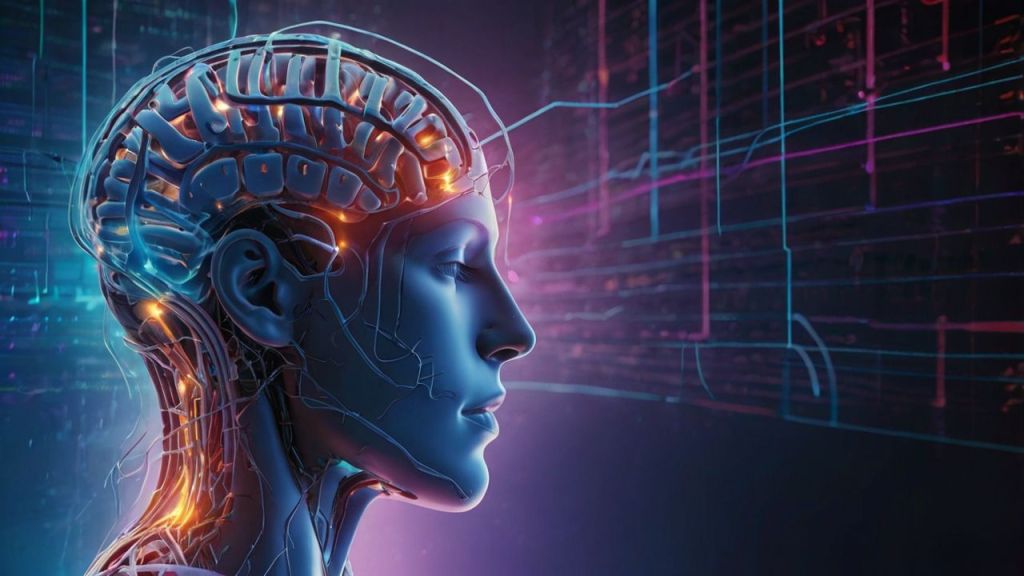
We’ve all been there. You hear a catchy tune once — maybe on the radio, in a commercial, or even a passing car — and suddenly it’s stuck on repeat inside your head for hours, or worse, days. This phenomenon, commonly called an “earworm,” isn’t just a cultural quirk. It’s a fascinating example of how memory, emotion, and repetition interact in the human brain.
What Exactly Is an Earworm?
The term earworm (from the German Ohrwurm) refers to a piece of music that involuntarily repeats in a person’s mind long after it has stopped playing. Psychologists call this **involuntary musical imagery (INMI)**. It’s a form of auditory memory that loops without conscious control, similar to how you might mentally rehearse a speech or a phone number — except this time, your brain won’t hit “stop.”
Why Certain Songs Get Stuck
Not every song becomes an earworm. Studies from the University of London and Durham University have found that earworms share a few recognizable traits:
• Simple, repetitive melodies with small pitch intervals
• Predictable rhythm — often close to the tempo of speech (around 120 bpm)
• Emotional resonance — something that triggers joy, nostalgia, or excitement
• Unexpected twists — a small surprise, like a jump in melody or a lyrical hook
Songs like “Can’t Stop the Feeling” or “Bad Guy” fit this pattern perfectly. They’re easy to remember, emotionally engaging, and just unusual enough to make the brain curious — and then hooked.
What Happens in the Brain
When a song sticks, your auditory cortex and prefrontal cortex — the parts of the brain involved in sound processing and memory — form a short neural loop. The brain predicts what comes next in the melody, and if the pattern is slightly off-balance, it keeps “replaying” the fragment to resolve the tension.
In other words, your brain is trying to finish the song, even when there’s no music playing. The loop continues until your mind becomes occupied with something else strong enough to break it — like another song or a demanding task.
Why Earworms Aren’t Always Bad
Interestingly, earworms can have psychological benefits. Research shows they can improve mood, stimulate creativity, and even aid memory consolidation. Some people use this effect deliberately — musicians and language learners often “implant” melodies to improve recall.
However, when the repetition becomes intrusive or distracting, it’s called stuck song syndrome — a rare condition linked to obsessive-compulsive traits. For most of us, though, it’s just harmless mental background music.
How to Get Rid of an Earworm
If you’ve had “that one song” looping for too long, science has a few tips:
1. Listen to it fully. Completing the melody helps the brain “close the loop.”
2. Engage in a task with verbal focus. Reading or writing can redirect attention.
3. Chew gum. Yes, research from the University of Reading found that chewing reduces auditory imagery by disrupting subvocal rehearsal.
4. Replace it with another tune. A “musical palate cleanser” — often called a cure tune — can overwrite the old loop.
Why We Secretly Love Them
Despite the annoyance, earworms are proof of how powerfully music shapes our emotions and memories. They show that the brain is deeply tuned to rhythm, pattern, and anticipation. That’s why marketers, songwriters, and even app designers study this effect closely — a good jingle or notification sound can stay with you for years.
So next time a tune refuses to leave your head, remember — it’s not just catchy. It’s your brain playing back its own symphony of memory, rhythm, and emotion.
🧠 Fun fact: Around 90% of people experience an earworm at least once a week, and women tend to get them slightly more often than men — perhaps because of stronger associative memory for emotional cues in music. -
The Sound of Fear: How Music and Ambience Manipulate Our Emotions on Halloween

Every October, streets fill with eerie laughter, flickering lights, and the unmistakable sound of fear. Whether it’s a haunting melody drifting from a Halloween party or the distant echo of creaking doors in a haunted house, sound has the uncanny ability to make us feel something primal — the chill of anticipation, the pulse of unease, the thrill of the unknown. But why does sound affect us so deeply, and how do music and ambience work together to shape the Halloween experience?
The Psychology Behind the Sound of Fear
Fear is one of the oldest and most instinctive emotions in human history. Long before there were monsters in movies, there were predators in the dark — and our brains evolved to listen for danger. Low frequencies, sudden changes in volume, and irregular rhythms can all trigger our fight-or-flight response. That’s why a faint whisper or a distant scream can be just as terrifying as a loud crash.
Modern sound designers and composers exploit this biology to perfection. The key lies not only in what we hear, but in what we expect to hear next. A single unresolved chord or an extended pause before a loud crescendo creates tension by keeping our senses on edge. Silence, paradoxically, can be the most powerful sound of all — it forces the imagination to fill in the blanks.
Beyond Music: Creating Emotional Architecture
Halloween isn’t only about the soundtrack; it’s about space. Sound moves through rooms, halls, and streets, shaping how we perceive them. Echoes, reverb, and spatial audio make a small room feel infinite, or an open field feel suffocating. This is why haunted attractions rely on surround sound systems that manipulate direction and distance — footsteps behind you, whispers beside your ear, or wind that seems to move through the walls.
Visual design amplifies the effect. A room draped in cobwebs and dim light becomes far more unsettling when paired with low-frequency drones or a subtle heartbeat rhythm. Together, sound and décor build a kind of emotional architecture — a multisensory illusion that convinces the brain it’s in danger, even when it knows it’s safe.
The Science of Sonic Triggers
Certain sounds are universally disturbing. The human brain reacts strongly to dissonance — when notes don’t quite fit together. It’s why a pipe organ in a minor key or the shriek of a violin can make our skin crawl. Sound frequencies below 20 Hz, known as infrasound, can even produce anxiety, nausea, and feelings of dread, despite being barely audible. Filmmakers and event producers use these frequencies to subconsciously heighten fear without the audience realizing why.
But Halloween soundscapes aren’t just about terror. They’re about balance. A carefully designed mix of eerie textures, familiar melodies, and even moments of calm allows listeners to experience fear as something playful, almost pleasurable. It’s an emotional rollercoaster — and music is the track it runs on.
From Ancient Rituals to Modern Sound Design
Long before synthesizers and studio effects, early civilizations used sound to connect with the supernatural. Drums, chants, and bells were central to rituals that blurred the line between the living and the dead. The psychological impact of rhythm and repetition created a trance-like state — not so different from the immersive experiences we create today.
These historical echoes still shape modern Halloween traditions. If you’re curious about how the holiday’s earliest rituals evolved into the celebration we know today, check out our article on the history of Halloween.
Crafting Fear in the Age of Technology
Today’s creators have an entire toolbox of digital sounds and immersive technologies. 3D audio environments, spatial mapping, and AI-generated soundscapes allow producers to manipulate listeners with extraordinary precision. A haunted maze can now feature dynamic sound that changes as you move, reacting to your heartbeat, footsteps, or even facial expression.
This interplay between design and emotion shows that the “music of fear” is not a static concept — it’s a living, evolving language. As with any language, context matters: the same melody can sound eerie in the dark but soothing in daylight. The magic of Halloween lies in this tension between fear and familiarity.
Where Music Meets Emotion
When we listen to a Halloween playlist, what we’re really experiencing is the transformation of sound into emotion. The right combination of tempo, tone, and silence can tell a story without words. It’s a form of emotional storytelling — a sonic mirror that reflects our deepest fears and desires.
For a deeper dive into how specific songs and scores create the signature Halloween mood, explore our previous post on the soundtrack of spookiness.
Conclusion: Listening to the Darkness
In the end, the sound of fear isn’t just about horror — it’s about imagination. Music, ambience, and décor combine to awaken something ancient within us: the need to feel alive by flirting with the unknown. Halloween gives us permission to play with fear, to dance in the shadows, to let the noise of the night remind us that silence, too, has a sound. -
🎧 The Soundtrack of Spookiness: How Music Shapes Halloween Celebrations

Every year, when October hits and the air turns crisp, you can hear Halloween arriving long before you see the decorations. It’s in the slow creak of a gate, the distant echo of an organ, the bass line from a playlist that suddenly sounds a little darker than usual. Music is what turns an ordinary night into that familiar mix of mystery, nostalgia, and fun-sized fear.
In my recent article about the history of Halloween and its ancient roots, I talked about how this holiday grew out of old rituals marking the shift between light and dark. Those ancient sounds — drums, chants, fire crackles — were the first soundtracks of the spooky season. Fast forward a few thousand years, and the instruments have changed, but the goal hasn’t: we still use music to summon a certain kind of energy. Halloween energy.
👻 From Ritual Rhythms to Cinematic Tension
Long before anyone pressed “play” on a playlist, people created soundscapes to chase away spirits and celebrate the unknown. Those early beats eventually found new life in gothic church organs and, centuries later, in cinema.
Once movies entered the picture, Halloween got its permanent sound identity: suspense, dissonance, and that thin line between tension and release. John Carpenter’s Halloween theme, for example, did more than scare people — it rewired our brains to associate a few piano notes with danger.
Even now, composers and producers borrow those same tricks. It’s not just nostalgia; it’s sound psychology.
🦇 Pop Culture’s Perfect Mix of Fear and Fun
The beauty of Halloween music is that it’s both scary and silly — and it knows it. The 1960s gave us playful hits like Monster Mash, while the ’80s brought a mix of horror movie scores and pop anthems like Thriller that made “spooky” cool. Since then, Halloween playlists have turned into their own genre: a mash-up of darkwave, horror synths, gothic rock, metal, trap beats, and cinematic ambience.
Today, Spotify and Apple Music drop endless themed playlists every October — “Haunted Beats,” “Witchy Pop,” “Dark Disco” — and TikTok adds its own layer, remixing everything from movie sound effects to lo-fi ghost stories.
What’s interesting is how technology keeps redefining what “scary” sounds like. AI-generated horror soundscapes, for example, are becoming part of the mix — eerie, unpredictable, and somehow even more unsettling because they don’t sound fully human.
🧛 Why Certain Sounds Give You Goosebumps
There’s actual science behind that chill you get from the right note. Minor keys, low frequencies, and dissonant intervals mess with our sense of safety. Our brains are wired to recognize these as signs that something isn’t quite right.
That’s why the opening of Psycho still feels like a knife through your nerves, and why an out-of-tune violin can feel creepier than a scream.
But Halloween isn’t about pure fear — it’s about playing with it. The fun comes from that mix of tension and release, the feeling that you’re safe while pretending you’re not. Music lets us step into that space for a few minutes — and then dance our way back out.
🕸️ Around the World in Creepy Tunes
While American Halloween culture leans on film and pop soundtracks, Europe brings in its own flavor. In Ireland and Scotland, Samhain festivals still echo with folk tunes in darker minor scales. In Germany, you’ll hear gothic rock and industrial mixes at Halloween clubs. In Scandinavia, black metal becomes the unofficial sound of October.
Each country filters that same eerie feeling through its own musical lens — proof that the need to soundtrack our fears is universal.
🎶 How to Build the Perfect Halloween Playlist
If you’re curating your own Halloween mix this year, balance is everything. Try blending:
• Classic horror scores (Carpenter, Elfman, Herrmann)
• Dark pop and synthwave tracks for atmosphere
• Ambient sounds — footsteps, whispers, wind — as transitions
• Upbeat “monster party” songs to keep the energy alive
The goal isn’t just to scare — it’s to build a journey. Your playlist should tell a story, shifting between tension and fun like a good movie.
🪄 Final Note
Music is what turns Halloween from a costume party into a full experience. It connects us to something ancient and primal — the same impulse that made people drum around bonfires thousands of years ago.
Every creak, every bass drop, every haunting melody is part of that long tradition of making the dark a little more beautiful.
So turn the lights low, press play, and let the night hum with sound.
Because without its music, Halloween just wouldn’t feel alive. -
The History of Halloween: From Ancient Rituals to Modern-Day Celebrations

Every year, on the night of October 31st, millions of people around the world dress up in spooky costumes, carve pumpkins, and celebrate Halloween with laughter, fright, and fun. But behind the candy and the costumes lies a fascinating story — one that stretches back thousands of years. Halloween didn’t start as a night of trick-or-treating and ghost stories; it evolved from ancient rituals meant to honor the dead, welcome winter, and protect against wandering spirits. Let’s uncover how this mysterious night transformed into one of the most beloved and recognizable holidays around the world.
1. The Celtic Origins — Samhain: The Beginning of the Story
The roots of Halloween trace back to the ancient Celtic festival known as Samhain (pronounced sow-in), celebrated in what is now Ireland, Scotland, and parts of the UK over 2,000 years ago. For the Celts, October 31st marked the end of the harvest season and the beginning of the dark, cold winter — a time associated with death and uncertainty.
They believed that on this night, the boundary between the living and the dead grew thin, allowing spirits to roam freely. People lit large bonfires to ward off evil entities and dressed in animal skins and masks to disguise themselves from wandering ghosts. These traditions laid the foundation for many of the customs we associate with Halloween today.
2. The Roman Influence — Feralia and Pomona
When the Romans conquered Celtic lands, they merged their own festivals with Samhain. Two celebrations in particular influenced the evolution of Halloween: Feralia, a day in late October when Romans honored the passing of the dead, and Pomona, a festival dedicated to the goddess of fruit and trees.
Interestingly, Pomona’s symbol was the apple — a detail that likely inspired the classic Halloween game of apple bobbing. This blending of Roman and Celtic customs gradually transformed the nature of the celebration, combining spirituality, harvest traditions, and superstition.
3. The Christian Adaptation — All Saints’ and All Souls’ Days
By the 9th century, Christianity had spread across Europe, and the Church sought to replace pagan festivals with Christian observances. In 835 AD, Pope Gregory IV established All Saints’ Day (also known as All Hallows’ Day) on November 1st, and the night before — October 31st — became known as All Hallows’ Eve, which over time evolved linguistically into “Halloween.”
The following day, All Souls’ Day, was meant to honor all the faithful departed. People lit candles for the dead, held processions, and prepared food offerings — practices that echoed earlier pagan traditions but with a Christian reinterpretation.
4. Halloween Crosses the Atlantic — Colonial America and Irish Traditions
Halloween as we know it began to take shape in North America in the 19th century, thanks largely to Irish and Scottish immigrants who brought their folk customs with them. They introduced traditions such as carving jack-o’-lanterns, derived from an Irish folktale about a man named Stingy Jack, who tricked the devil and was doomed to wander the earth with only a carved-out turnip lantern. In the U.S., pumpkins — native to the continent — replaced turnips, creating one of Halloween’s most iconic symbols.
By the early 20th century, Halloween had evolved into a more community-oriented holiday, with parades, parties, and games replacing much of the old superstitious fear. The focus shifted from warding off spirits to celebrating creativity, fun, and imagination.
5. The Modern Celebration — From Spooky to Stylish
Today, Halloween is a global cultural phenomenon that blends horror, humor, and artistry. In the United States, it’s the second most commercially successful holiday after Christmas. People spend billions each year on costumes, decorations, and candy.
The celebration has also taken on new forms worldwide. In Japan, massive Halloween parades attract thousands of participants in elaborate cosplay costumes. In Mexico, it overlaps beautifully with Día de los Muertos (Day of the Dead), a colorful tradition honoring deceased loved ones. Across Europe, Halloween continues to grow in popularity, especially among younger generations who embrace its creative and playful spirit.
6. Hidden Meanings and Modern Symbolism
Beyond the costumes and parties, Halloween still carries deep symbolic undertones. It reflects our enduring fascination with the unknown — with death, transformation, and the balance between light and dark. Psychologists even suggest that Halloween allows people to explore their fears in a safe, controlled way, making it not just a holiday of fright, but of self-expression and release.
The image of the witch, once feared as a symbol of darkness, has transformed into a figure of empowerment and mystery. Modern pop culture redefines witches as wise, independent women — a reflection of changing societal attitudes toward the feminine and the mystical.
Conclusion
From sacred Celtic rituals to pumpkin-carving parties, Halloween’s journey through history mirrors humanity’s changing relationship with life, death, and the supernatural. What began as a solemn night of fire and fear has become a celebration of imagination and community. Whether you’re dressing up as a vampire, lighting candles, or simply handing out candy, every Halloween night still carries a whisper of the ancient fires of Samhain — reminding us that behind every mask lies a story that connects us to our past. -
Common Mistakes Beginners Make When Tracking Cryptocurrency Prices and How to Avoid Them

Cryptocurrency trading has become increasingly popular over the past few years, attracting both seasoned investors and complete beginners. However, tracking crypto prices might seem simple at first glance, but many newcomers make common mistakes that can lead to confusion, poor investment decisions, or even financial losses. In this guide, we’ll highlight the most frequent errors beginners make when monitoring cryptocurrency rates and provide practical tips to avoid them.
1. Relying on a Single Source for Prices
One of the first mistakes beginners make is relying on just one website or app for tracking cryptocurrency prices. While some platforms are popular and reliable, no single source provides a complete picture of the market. Prices can slightly differ between exchanges due to liquidity and trading volume. To get a more accurate overview, use multiple tools, such as CoinMarketCap, CoinGecko, or other trusted platforms. For example, you can check out our previous guide on how to follow the rate of cryptocurrencies to understand the different methods of monitoring crypto prices effectively.
2. Ignoring Market Volatility
Cryptocurrency markets are extremely volatile. Prices can change dramatically within minutes, and beginners often panic when they see sudden drops or spikes. Tracking prices without understanding market volatility may lead to impulsive decisions. To avoid this, focus on long-term trends rather than minute-by-minute changes. Setting realistic expectations about daily fluctuations can help you stay calm and make better decisions.
3. Overcomplicating with Too Many Indicators
New traders often think that using every technical indicator will guarantee success. Unfortunately, this approach can backfire. Indicators like RSI, MACD, or Bollinger Bands can provide helpful insights, but relying on too many simultaneously can be confusing and overwhelming. Start with a few essential indicators and gradually expand your toolkit as you gain experience. Keep your dashboards clean and organized to prevent information overload.
4. Ignoring Fees and Exchange Differences
Another common mistake is overlooking transaction fees or differences between exchanges. Beginners often track prices without considering that buying, selling, or transferring cryptocurrencies can involve fees that impact profits. Additionally, exchanges may have slightly different rates for the same crypto asset. Always factor in fees and check multiple exchanges before making decisions based solely on price movements.
5. Not Setting Alerts or Notifications
Many beginners continuously check prices manually, which is not only time-consuming but also stressful. Setting up alerts or notifications for specific price thresholds can make monitoring more efficient. Most tracking apps offer custom alerts that notify you when a cryptocurrency reaches a particular price, helping you react quickly without constantly staring at your screen.
6. Ignoring News and Market Sentiment
Price movements are often influenced by news, regulatory announcements, or market sentiment. Beginners sometimes track crypto prices in isolation, ignoring external factors that can significantly impact rates. Following reputable crypto news sources and joining community discussions can provide context for sudden price movements. Understanding the “why” behind a price change is just as important as knowing the number itself.
7. Failing to Keep Records
Beginners often neglect to document their observations and trades. Maintaining a simple spreadsheet with entry points, exit points, and price notes can be invaluable for learning and strategy improvement. Over time, reviewing your past trades can help you recognize patterns, avoid repeated mistakes, and make smarter decisions.
Conclusion
Tracking cryptocurrency prices might seem straightforward, but beginners often make avoidable mistakes that can lead to unnecessary stress or financial losses. By diversifying your data sources, understanding market volatility, using indicators wisely, considering fees, setting alerts, following news, and keeping records, you can monitor crypto prices more effectively and confidently. Cryptocurrency trading is a journey of continuous learning, and avoiding these common pitfalls is an essential step toward becoming a more informed and successful investor. -
The Most Popular Games of the Past Five Years: Why Some Worlds Never Fade

The gaming landscape has transformed dramatically over the past few years. From sprawling open worlds to intricate narratives, players have been spoiled for choice. Yet, amidst the constant influx of new titles, a few games manage to captivate audiences for years, blending innovation with enduring appeal. One shining example of this phenomenon is GTA 5, which continues to feel alive thanks to its online community and the sheer depth of its world read more about it here.
Among the most popular games of recent times are titles that redefine what players expect from interactive experiences. Games with vast, detailed worlds invite exploration, giving players the freedom to carve their own paths. Others excel through storytelling, emotional depth, or highly polished multiplayer systems. This diversity reflects the evolving tastes of the gaming community, yet all of these hits share one trait: they create experiences that players remember long after the credits roll.
One standout is Elden Ring, a game that combines the intricate challenge of classic action RPGs with a sprawling, open-world environment. Its layered storytelling and intricate design encourage exploration, giving players a sense of accomplishment and discovery at every turn. Similarly, The Legend of Zelda: Tears of the Kingdom offers a world bursting with secrets, clever mechanics, and endless opportunities for experimentation, proving that adventure games can still push creative boundaries.
Another type of enduring popularity comes from games with vibrant, ongoing communities. GTA 5 demonstrates this perfectly. Despite being older than many current releases, its online mode continually attracts new players. The combination of updates, mods, and community-driven events keeps the world of Los Santos feeling fresh and alive, making it a rare example of a game that defies the typical lifecycle.
Competitive multiplayer games also dominate player attention. Series like *Call of Duty* continue to innovate with new maps, modes, and battle passes, keeping both casual and hardcore players engaged. Meanwhile, games like Hogwarts Legacy capture the imagination of fans eager to explore beloved fictional worlds in ways previously only dreamed of, proving that strong narratives and immersive settings remain powerful draws.
Even games initially criticized at launch can rise to prominence with dedication and support from developers. Cyberpunk 2077, once notorious for technical issues, became a celebrated experience after extensive updates and community engagement. This highlights a trend in modern gaming: longevity isn’t only about a game’s initial impact but also about how it evolves over time to meet player expectations.
Sandbox and creative titles, like Minecraft, continue to enjoy immense popularity due to their endless possibilities. Players can create entire worlds, share their creations, or dive into the community-made content that transforms the game in unpredictable ways. This adaptability ensures that these games remain relevant for years, often appealing to multiple generations of players.
So why do certain games remain so popular while others fade into obscurity? The answer lies in a combination of factors: engaging mechanics, vibrant communities, continuous updates, and worlds that feel alive. Games that succeed in these areas offer experiences beyond simple entertainment—they become cultural touchstones, spaces for social interaction, and canvases for creativity.
In the fast-paced world of gaming, it’s easy to get swept up in the latest releases. Yet, the titles that leave lasting impressions are often those that offer more than a fleeting thrill. Whether it’s the challenging worlds of Elden Ring, the imaginative playground of Minecraft, or the ever-evolving streets of GTA 5, these games prove that some worlds truly never fade. As players continue to seek experiences that are immersive, dynamic, and endlessly engaging, the games of the past five years will continue to define the era of modern gaming. -
The Enduring World of Los Santos: Why GTA 5 Still Feels Alive in 2025

When Grand Theft Auto V was released back in 2013, few could have predicted that more than a decade later it would still dominate conversations, streaming charts, and gaming communities. Yet here we are in 2025 — and Los Santos still feels alive, relevant, and constantly evolving.
While most games fade away after a few years, GTA 5 continues to reinvent itself, driven by its vast community, countless mods, and a city world that never truly sleeps.
A City That Refuses to Grow Old
Los Santos has always been more than just a map. It’s a breathing, chaotic, and strangely familiar world — one that mirrors modern urban life with a satirical twist. Even after all these years, its streets remain filled with new possibilities.
Players are still discovering hidden areas, quirky NPC behaviors, and Easter eggs that went unnoticed for years. The city’s mix of luxury and decay, humor and tragedy, gives it a timeless feel. That’s why newcomers continue to explore it, and veterans keep coming back.
GTA 5’s magic lies in how alive the environment feels. Whether you’re watching the sunset from Mount Chiliad, racing through Vespucci Beach, or listening to talk radio during a heist, the world responds and evolves with you.
The Rise of RP Servers and New Life Online
One of the biggest reasons GTA 5 still thrives in 2025 is the explosion of role-play (RP) servers. What started as a niche modding trend has now become a massive subculture.
On platforms like FiveM or RageMP, players build entire lives — running businesses, joining police departments, hosting radio shows, or living as simple citizens. The game has turned into a living social experiment where creativity, storytelling, and community shape everything.
Unlike the standard single-player experience, RP servers give players something that even GTA 6 will have to compete with: emotional connection. Every player you meet could be someone else’s character with goals, flaws, and backstory. That human unpredictability makes every moment in Los Santos unique.
Mods and Visual Enhancements: The Next-Gen Effect
GTA 5’s longevity is also powered by its modding community. Thousands of developers and artists continuously create high-quality modifications — from ultra-realistic weather systems and 4K textures to completely new missions and storylines.
Modern reshade packs and AI-based upscaling have transformed the visuals, making the game look nearly next-gen. When combined with modern hardware, GTA 5 can rival or even surpass many 2024 releases.
Beyond graphics, mods also keep the gameplay fresh: new cars, weapons, interiors, and even character animations ensure that every session feels slightly different. Players can customize the world to match their imagination — something few games allow with such depth and freedom.
The Mysteries That Keep Players Hooked
No matter how much time passes, Los Santos still hides countless mysteries. Fans continue to debate over UFO sightings, ghost stories, and the long-standing Mount Chiliad Mystery.
These secrets give the game a sense of depth that most modern titles lack. Even in 2025, YouTube channels and Reddit threads are filled with new “discoveries” and theories about what Rockstar might have hidden beneath the surface.
If you love exploring hidden corners of the map and uncovering long-forgotten secrets, don’t miss our earlier feature — The Mysteries of Los Santos: Top 5 Secret Places in GTA 5. It’s a perfect reminder that every building, mountain, and tunnel in GTA 5 still has a story waiting to be found.
Content Creators and the Never-Ending Stream of Stories
The GTA 5 community has also kept the game alive through content creation. Millions of players watch daily YouTube videos, Twitch streams, and short clips that showcase everything from cinematic role-play to chaotic stunts.
Every week, creators bring new ideas — custom missions, funny fails, or serious storylines — that refresh the experience for millions of fans. For younger players, GTA 5 isn’t an “old game.” It’s an endless stage for creativity, entertainment, and social interaction.
The line between gaming and filmmaking has blurred: many use Rockstar Editor and mods to produce short films, music videos, and documentaries entirely inside the GTA 5 engine. This creative explosion ensures that Los Santos never really stands still.
Why GTA 5 Still Matters in 2025
The secret behind GTA 5’s lasting success isn’t just nostalgia — it’s adaptability. Rockstar built a foundation so strong that players continue to shape, rebuild, and expand it every single day.
While fans eagerly await GTA 6, few can deny that GTA 5 has achieved something rare: it has transcended its era. It’s not just a game — it’s a living platform for expression, storytelling, and human connection.
Los Santos continues to pulse with life because its community never stopped believing in it. Every new mod, every RP storyline, and every rediscovered secret adds another heartbeat to the city.
And as long as players keep driving through those neon-lit streets, chasing dreams, chaos, and laughter — GTA 5 will never truly grow old. -
How Mobile Technology Is Changing Modern Education

Education has never stood still. From chalkboards to smartboards, every generation has witnessed new tools that redefine how we learn. Yet few innovations have reshaped education as profoundly as mobile technology. What was once a device for calls and messages has turned into a personal learning hub that fits right in your pocket.
Learning Without Borders
One of the most powerful aspects of mobile technology is accessibility. Today, a student in a small town can access the same learning materials as someone studying at a top university. All it takes is a smartphone and an internet connection. Mobile learning has erased the traditional barriers of time and location. Whether you’re waiting for a bus, having lunch, or relaxing in bed, learning can happen anywhere and anytime.
This shift has opened new doors for people of all ages. Working professionals use their phones to complete micro-courses on Coursera or LinkedIn Learning. Teenagers master languages through apps like Duolingo, while children explore math and science through interactive games. The idea that education only happens within the walls of a classroom is quickly becoming outdated.
Personalized and Interactive Learning
Traditional learning often follows a one-size-fits-all model. Mobile education, on the other hand, is deeply personal. Algorithms can now adapt to your progress, preferences, and even your mood. Apps track your achievements and tailor new lessons to your level, helping you stay motivated without feeling overwhelmed.
Gamified experiences also play a crucial role. Points, badges, and streaks transform learning into something engaging and fun. When education feels like a game, people naturally want to keep going — and that’s the secret behind the success of many popular learning apps.
The Role of Educational Apps
There’s now an app for almost everything — from languages and coding to psychology and art history. They combine video lectures, quizzes, podcasts, and flashcards in one place, making self-education simple and engaging.
Some of the most widely used tools are already well known. For example, Duolingo makes language learning accessible to everyone, while Khan Academy provides free resources across multiple subjects. Coursera connects learners to world-class universities, and Quizlet helps students memorize information efficiently. For more about these and other great tools, check out this detailed article on helpful Android learning apps.
Bridging the Digital Divide
Of course, not everyone has equal access to technology. The so-called “digital divide” still affects millions of people around the world. But interestingly, mobile phones are narrowing that gap faster than any other device. Smartphones are far more affordable than laptops, and mobile data networks reach areas where traditional infrastructure doesn’t. As a result, millions of learners in developing regions now have a chance to study, connect, and grow.
Challenges of Mobile Learning
Despite the benefits, mobile learning isn’t without its challenges. Constant notifications can easily distract students. Screen fatigue, eye strain, and reduced focus are common issues. There’s also the question of credibility — not every app or course offers verified content or recognized certification.
To make the most of mobile learning, users need digital literacy skills: the ability to evaluate information critically, stay focused, and manage time wisely.
The Future of Education Is in Your Hands
Mobile technology has transformed learning into an ongoing, flexible, and personalized experience. It has turned education into something that travels with you — literally. As artificial intelligence continues to evolve, future apps will become even more adaptive, analyzing not only what you learn, but how you learn best.
We are entering an age where lifelong education is no longer a luxury; it’s a daily habit. The classroom now fits in your pocket, and the teacher is available 24/7 — ready whenever curiosity strikes. -
Humans vs Machines: Can AI Truly Create Music with Soul?
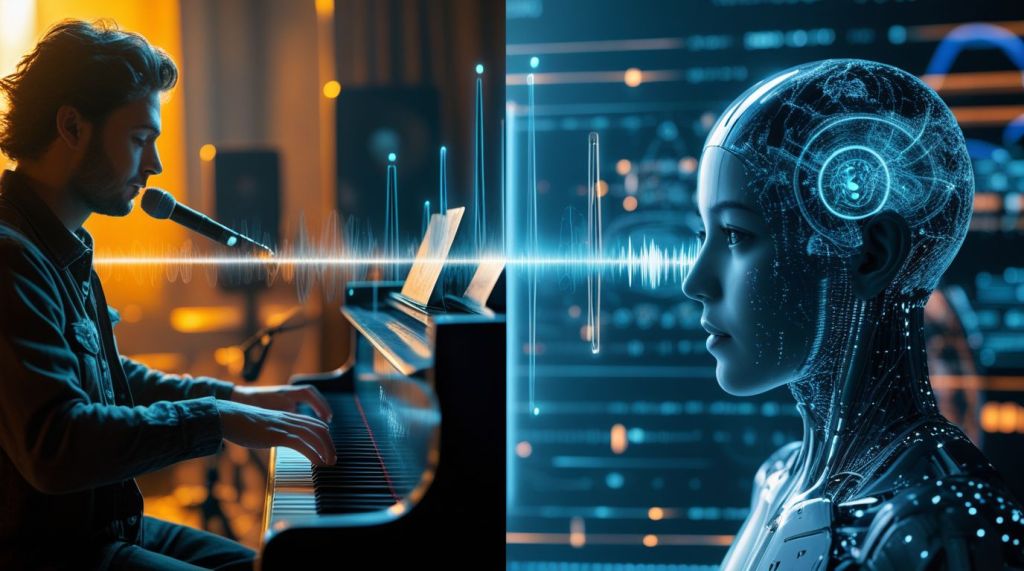
Not long ago, the idea that a computer could compose music, produce songs, or perform on stage sounded like science fiction. Today, it’s a part of reality. Artificial intelligence doesn’t just assist musicians — it’s becoming one. But the real question remains: can AI truly create music with soul, or is it just making sophisticated noise?
When Algorithms Enter the Studio
AI has already transformed how music is written, recorded, and produced. From beat-making tools to intelligent mastering systems, algorithms can now handle tasks that once required an entire studio crew. Many modern producers even rely on AI plugins to refine sound quality or generate creative ideas.
For a deeper dive into how this transformation happens in practice, check out From Studio to Stage: How AI Is Transforming Music Production and Performance. It’s fascinating to see how machines are becoming part of the creative team — sometimes even taking the spotlight.What Makes Music “Human”?
Music has always been more than notes and rhythms. It’s about emotion — the trembling voice, the imperfect guitar strum, the pause that says more than words. AI can imitate all of this, but it doesn’t feel it. It doesn’t know heartbreak or euphoria. It simply recognizes patterns that evoke emotion in us.
That’s why songs generated by machines, while impressive, often feel like a beautiful echo rather than an original voice. They can move us for a moment, but something intangible is missing — that spark of human vulnerability.
The Ethical Question: Whose Music Is It?
As AI-generated songs flood streaming platforms, a new problem arises: who owns the rights to them? Is the “composer” the programmer, the user who gave the prompt, or the machine itself?
These are not just legal puzzles but moral ones. If a computer creates a melody that moves millions, does it deserve recognition — or is it simply a tool?
For a thoughtful exploration of these dilemmas, read The Ethics of AI-Generated Music: Who Owns Creativity?. The line between inspiration and authorship has never been blurrier.
Collaboration, Not Competition
Instead of fearing AI, many musicians are starting to embrace it as a creative partner. It can offer chord progressions you’d never think of, analyze your mix in seconds, or help you finish a song that’s been stuck for months. In that sense, AI becomes a mirror — reflecting your ideas and pushing you to evolve.
But there’s a limit to what it can do. AI can generate infinite variations, but it can’t know why a melody makes someone cry. That “why” comes from life, memory, and emotion — things only humans carry.
The Future of Musical Emotion
Looking ahead, the collaboration between humans and machines will likely deepen. We’ll hear songs written partly by AI, performed by holograms, and mixed in virtual studios. Yet even then, the emotional heartbeat of music will depend on us.
For a glimpse of how AI might reshape what we listen to in the coming years, visit The Next Decade of Music: How Artificial Intelligence Will Shape What We Hear. The future may sound different, but it will still need human emotion to resonate.
So, Who Creates Better?
Maybe that’s the wrong question. It’s not about who creates better, but how humans and machines can create together. AI is the brush; we are the artists. It gives us speed, inspiration, and new possibilities — but only we can give music its heart.
Because in the end, soul can’t be coded. It has to be felt. -
The Next Decade of Music: How Artificial Intelligence Will Shape What We Hear

Imagine a world where the soundtrack of your life evolves with you — shifting seamlessly from calm ambient tones during your morning coffee to energizing beats during a workout, or a cinematic score that adapts to your emotions as you walk through the city. This isn’t science fiction anymore. In the coming decade, artificial intelligence will transform music from something we consume into something that lives and breathes with us.
AI is already rewriting the rules of how songs are written, produced, and performed. But what lies ahead is far bigger: a complete redefinition of what music means to humanity.
Music That Understands You
Today, streaming platforms already use AI to recommend songs. But in the near future, the technology will go beyond playlists. It will understand your heartbeat, mood, and even facial expressions to generate sound in real time. Every moment could have its own soundtrack — created instantly, personalized just for you.
Instead of listening to the same radio hits as millions of others, we’ll experience hyper-personalized music, evolving second by second. Imagine AI-driven earbuds that sense your emotions and compose melodies that calm your anxiety or boost your focus. Music will no longer be static — it will become alive.
This evolution began when AI entered the studio, helping musicians create with unprecedented precision and speed. Learn more about this transformation in our feature
👉 From Studio to Stage: How AI Is Transforming Music Production and Performance.
The Rise of AI Musicians
As algorithms become more advanced, they aren’t just supporting artists — they are becoming artists. We already see AI-generated performers releasing songs, gaining fans, and performing in virtual concerts. Ten years from now, AI musicians could be as popular as human superstars.
But what makes an artist truly human? Emotion? Experience? Or simply connection? These are the questions being raised by the rise of AI musicians. The idea of a digital pop star who never ages, never tires, and can instantly adapt to global trends is both thrilling and unsettling.
To explore how AI performers are redefining fame and creativity, check out
👉 AI Musicians: Will the Next Superstar Be a Machine?.
Ethics in the Age of Algorithmic Art
When machines compose music, sing with cloned voices, or mimic the styles of living artists, we step into uncharted ethical territory. The next decade will bring fierce debates about copyright, ownership, and artistic authenticity.
Who owns a song written by an algorithm? The programmer, the user, or the machine itself? These questions don’t just challenge the music industry — they challenge our understanding of creativity itself.
For a deeper look into the moral and legal challenges of AI-generated music, read
👉 The Ethics of AI-Generated Music: Who Owns Creativity?.
The Future of Collaboration
Despite fears that AI might replace musicians, the most inspiring future is one of collaboration. Imagine artists co-creating with algorithms — using AI to expand their creative boundaries, discover new harmonies, or remix ideas from across cultures. AI can analyze centuries of musical tradition in seconds, offering insights that spark entirely new genres.
We may soon witness a renaissance of creativity — not in opposition to technology, but in harmony with it. Just as electric instruments and synthesizers once revolutionized sound, AI could become the next great instrument, capable of expressing human emotion in ways never before imagined.
The Soundtrack of Tomorrow
Ten years from now, music may no longer be something you find — it may find you. It will adapt to your environment, respond to your emotions, and merge with other media forms. Concerts might blend virtual and physical realities. Albums could evolve after release, growing and changing as audiences interact with them.
AI won’t kill music; it will make it more intimate. It will bring us closer to the emotional core of sound — helping us connect, create, and dream in new ways.
The true beauty of this coming era lies not in machines replacing artists, but in machines learning what it truly means to feel.
Because in the end, no matter how advanced the algorithm, music will always be the language of the human heart — only now, with a digital accent.

 Tinytunes.app