-
Tiny tunes app android
Tiny Tunes is a free music player and downloader app for Android devices. It allows you to search and download songs from the internet and create playlists to play your music. You can also stream music online and listen to radio stations. The app has a simple and easy-to-use interface, and it supports various audio formats such as MP3, WAV, and M4A. You can use Tiny Tunes to discover new music and artists, or to listen to your favorite songs on the go.
Where download tiny tunes app for android

You can download Tiny Tunes for Android from the Google Play Store. Here are the steps:
- Open the Google Play Store app on your Android device.
- In the search bar, type “Tiny Tunes” and press Enter.
- Select the app from the search results.
- Tap the “Install” button to begin the download process.
- Wait for the download and installation process to complete.
- Once the app is installed, you can launch it from the app drawer on your device.
- In your browser, download the TinyTunes .APK file here: TinyTunes 1.16.2 APK Download
Alternatively, you can also download the Tiny Tunes APK file from a third-party website and install it manually on your device. However, it’s important to be careful when downloading apps from external sources, as they may contain malware or other malicious software.
-
In Your Ears: How Modern Headphones Are Changing the Way We Experience Music

There was a time when listening to music meant sitting still — vinyl spinning, speakers humming, and the world fading away. Today, the soundtrack of our lives follows us everywhere: on the bus, at the gym, in bed, or even during a late-night coding session. But this shift isn’t just cultural — it’s technological. Modern headphones are not just tools for listening; they’ve become intelligent sound companions, reshaping how we hear and feel music. 🎶
From Simple Speakers to Smart Soundscapes
Headphones used to be humble — two cups and a wire. Now, they are miniature computers.
Noise cancellation, spatial audio, bone conduction, adaptive EQ — these features are redefining what “listening” means.
Active noise cancellation (ANC) isolates the world so effectively that even the chaos of public transport feels like silence. Meanwhile, spatial and immersive audio make you feel as if you’re standing inside the song, surrounded by instruments that breathe and move. It’s not just hearing music; it’s living it.
Modern tech companies like Apple, Sony, and Bose aren’t just competing for louder bass or cleaner treble anymore. They’re competing for realism, for the feeling that the artist is right there in the room with you.
AI Listens Back: Personalized Sound for Every Ear
Today’s headphones don’t just play music — they analyze you.
Smart listening devices use artificial intelligence to study your hearing patterns, adjust frequencies to match your preferences, and even optimize for hearing loss. It’s like having a personal sound engineer living in your pocket.
For example, some models scan the shape of your ear canal to deliver a more accurate stereo image, while others learn from your habits — automatically lowering the volume when you enter a quiet room or suggesting playlists based on your mood.
It’s the same intelligence that’s transforming how artists create sound, as explored in From Studio to Stage: How AI Is Transforming Music Production and Performance. What was once available only in professional studios is now adapting in real time, right inside your earbuds.
Bone Conduction and Beyond: The Science of Future Listening
One of the most fascinating technologies reshaping personal audio is bone conduction. Instead of using air vibrations to carry sound to your eardrum, it sends sound waves through the bones of your skull directly to the inner ear. The result? Clear sound — while your ears stay open to the world around you.
This technology is a game-changer for outdoor activities, people with hearing impairments, or anyone who wants to stay aware of their environment while listening to music. It also hints at a future where music becomes part of our physical perception, not just an external experience.
Emotional Sound: When Technology Meets Feeling
Here’s a curious paradox — the more advanced our devices become, the more emotional our connection to sound seems to grow.
Maybe it’s because high-resolution audio reveals the texture of every instrument. Maybe it’s because immersive sound tricks our brain into feeling present inside the song.
Whatever the reason, modern headphone technology doesn’t just change sound — it changes emotion.
That emotional bond between humans and music remains irreplaceable, even in an era of algorithms, as explored beautifully in The Emotional Future of Music: Why Human Connection Still Matters in a Digital World.
Headphones, in this sense, are not isolating us from the world — they’re amplifying it. Each track becomes a personal journey, yet deeply human.
Health, Focus, and the New Sonic Lifestyle
There’s also a growing movement connecting sound quality and mental well-being. Many people use noise-cancelling headphones not for music, but for silence — as a form of portable peace.
“Focus modes” and adaptive soundscapes help with concentration, meditation, and stress reduction. Some AI-based apps even analyze your breathing patterns to adjust ambient tones in real time. The future of headphones may not only be about hearing — but about healing.
What’s Next: Headphones That Think, Feel, and Adapt
As we move into the next decade, expect headphones that are even more integrated with our daily lives. We’ll see gesture control, biometric sensors, and neural interfaces that can track brain activity and mood.
Imagine a pair of headphones that can detect when you’re anxious — and play music that helps you calm down. Or one that learns your emotional rhythm throughout the day and builds a personal soundtrack around it.
It sounds futuristic, but so did wireless earbuds just a few years ago.
Final Note 🎵
Headphones are no longer accessories; they are gateways to our inner world. The next time you press play, remember: what you’re hearing isn’t just sound — it’s innovation, emotion, and identity combined.
In the symphony of technology and humanity, modern headphones are the bridge between data and soul. -
🎧 The Emotional Future of Music: Why Human Connection Still Matters in a Digital World
In 2025, music has become more digital than ever. Algorithms predict what we’ll like before we even hear it. Virtual stages host thousands of avatars jumping to the same beat. Artificial intelligence can now compose songs that sound eerily human.
And yet, amid all the innovation, one question feels louder than ever:
Can technology really replace the human soul behind the sound?
When music became a mirror of our screens
Music used to live in sweaty clubs, echoing stadiums, and crowded bars — places filled with voices, laughter, and real energy. Now, much of that energy flows through screens. We scroll, we stream, we listen alone, often with headphones that isolate us from the world.
Virtual events have tried to bridge that gap — offering incredible visuals, digital stages, and shared experiences inside virtual spaces. As explored in “Virtual Concerts and Metaverse Stages: The New Era of Live Music”, the metaverse brought people together across continents, redefining what “live” performance means.
But no matter how breathtaking the holograms are, they still lack one thing: the raw, imperfect pulse of real connection.
The irreplaceable heartbeat of live emotion
What makes music so powerful isn’t just sound — it’s shared emotion.
The spark when an artist locks eyes with the crowd. The collective shout of a chorus sung in unison. The goosebumps when a song speaks directly to what you’re feeling.
Technology can simulate almost everything, but it struggles to replicate authentic empathy. A virtual stage can stream light and motion, but not the electricity of presence — that invisible thread between performer and listener that makes every note alive.
Digital tools, human purpose
Of course, it’s not about rejecting progress. The digital age has opened doors that were once unimaginable. Artists today have direct access to global audiences; independent creators thrive without record labels. Data helps us understand trends, while artificial intelligence helps craft new sounds and textures.
This evolution has reshaped music itself. As discussed in “Music in 2025: The Sounds, Trends, and Hits That Defined the Year”, the sonic landscape of this decade is more experimental, inclusive, and global than ever before.
But the tools are only half the story. The real challenge is not how we use technology — but why we use it. Are we creating music to generate clicks, or to generate feelings?
The new emotional frontier
The future of music isn’t about choosing between digital and human. It’s about weaving them together. Imagine AI-assisted composition guided by genuine emotion; virtual stages that amplify, not replace, human presence; soundscapes that react to real-time audience moods.
The artists who will define the next decade are those who understand that emotion is the ultimate innovation.
People don’t remember perfect mixes — they remember how a song made them feel during a turning point in their lives.
From connection to community
More than ever, music is becoming a form of emotional communication.
Playlists are personal diaries. Online fandoms become support systems. A single song can unite strangers across borders.
That’s the paradox of digital culture: while it often separates us, it also gives us new ways to connect — deeply, instantly, and authentically.
Maybe the true future of music isn’t found in the next algorithm or virtual platform, but in the human stories behind the headphones.
Final note
As we look ahead, one truth remains timeless:
Music is emotion in motion.
Technology will continue to evolve, but the heartbeat of music — that fragile, beautiful connection between creator and listener — will always belong to humans.
Because no matter how perfect the code, nothing sounds more alive than a feeling that’s real. -
🎵 Virtual Concerts and Metaverse Stages: The New Era of Live Music
Not long ago, live concerts meant crowds, flashing lights, and the roar of thousands of fans gathered in one physical space. But in the past few years — and especially throughout 2025 — the meaning of “live performance” has evolved dramatically. The rise of virtual concerts and metaverse stages has changed not only how artists perform, but also how audiences experience music.
The global shift to digital performance spaces isn’t just a temporary experiment — it’s becoming one of the defining transformations of modern music culture.
🌐 From Streaming to Immersion
The music industry has already gone through one revolution with streaming. Yet streaming, for all its convenience, created distance between the artist and the listener. Virtual concerts have begun to close that gap — ironically, through technology.
Unlike a standard YouTube or Twitch stream, a metaverse concert doesn’t just show the artist. It places the audience inside the performance. Fans can move around virtual stages, interact with other avatars, and even influence the visual effects of the show in real time.
In a world where attention is the new currency, immersion is the next logical step.
🎮 The Technology Behind the Stage
The metaverse is powered by a combination of VR (virtual reality), AR (augmented reality), motion capture, and real-time rendering engines like Unreal and Unity.
This technology allows musicians to perform as digital avatars or blend live video with fantastical virtual worlds.
In 2025, several major artists experimented with fully virtual shows. Some recreated iconic venues in 3D; others built entire dreamscapes — glowing cities, alien deserts, or floating islands — that transformed along with the rhythm of the music. The result? A concert experience that feels less like watching and more like being inside the song.
💥 Why Fans Are Hooked
Virtual concerts offer something the real world never could: accessibility and imagination without limits.
• No geography. Fans from Tokyo to São Paulo can attend the same show simultaneously.
• No physical barriers. No travel costs, no sold-out tickets, no bad seats.
• Infinite creativity. The laws of physics no longer apply — a singer can perform in zero gravity or surrounded by fire made of light.
The emotional connection remains real, though. Many fans describe virtual concerts as “intimate,” precisely because avatars and digital environments can be tailored to reflect the artist’s vision more directly than any stage set.
💰 A New Economy for Artists
For musicians, metaverse stages open doors to entirely new revenue models.
Ticketed virtual shows, limited-edition NFT merchandise, and interactive fan passes are replacing traditional gig income.
Even independent artists can now stage immersive performances without renting venues or hiring massive crews.
Platforms like Wave, Stageverse, and Roblox Live have become testing grounds for both established names and newcomers. The lower barrier to entry means experimentation is thriving — the kind of creative chaos that often drives new genres and fan communities.
🔗 The Connection to 2025’s Music Trends
This transformation didn’t happen in isolation.
As discussed in Music in 2025: The Sounds, Trends, and Hits That Defined the Year, technology and innovation dominated the soundscape of the year — from AI-produced tracks to genre fusion born on social media.
Virtual concerts are the natural next step in that same story: the merging of creativity, tech, and human emotion into one immersive experience.
⚡ Challenges Ahead
Despite the hype, the virtual live music space faces several challenges.
• Technical limitations: latency, hardware cost, and connectivity can still disrupt the experience.
• Authenticity: some fans still crave the sweat, chaos, and imperfections of real-life concerts.
• Monetization balance: how to charge fairly for a digital ticket without alienating loyal listeners.
These issues aren’t dealbreakers — they’re growing pains of an emerging medium. Just as early streaming faced criticism before becoming mainstream, the metaverse will refine itself as technology and expectations evolve.
🚀 The Future of “Live” Music
By 2030, it’s likely that the term live music will no longer refer strictly to physical presence.
Hybrid concerts — blending real and virtual worlds — may become the standard.
Imagine an artist performing in front of a small real audience, while millions attend digitally through VR, with synchronized lighting and sound bridging both realities.
The metaverse doesn’t replace live shows — it expands them.
For artists, it’s a new canvas.
For fans, it’s a new dimension of connection.
And for the music industry as a whole, it’s a reminder that innovation never sleeps — it just gets louder.
✨ Final Thoughts
Virtual concerts are not the future — they are already the present. The lines between stage and screen, audience and avatar, are blurring faster than ever.
Music has always evolved alongside technology: from vinyl to MP3, from concerts to streams, and now — from reality to metaverse.
Whether you’re a creator or a listener, one thing is certain: the next great live performance might not happen *on Earth* at all, but somewhere in the digital sky, where the beat never stops. -
Music in 2025: The Sounds, Trends, and Hits That Defined the Year

As 2025 draws to a close, one thing is clear — the sound of the world has never been more diverse, more experimental, and more connected than it is today. From the rise of global fusion genres to the ever-growing role of artificial intelligence in songwriting, the music industry is evolving at lightning speed. What used to take years to change now shifts in a matter of months — and listeners love every second of it.
Let’s take a look at what shaped the musical landscape of 2025 — the biggest trends, the breakout hits, and the new sounds that defined our playlists this year.
1. Genre Blending Became the New Normal
The days of rigid genres are over. 2025 has shown us that artists no longer care about fitting into a single category. Pop now borrows from afrobeats, electronic music embraces country rhythms, and even classical instrumentation sneaks its way into hip-hop.
This melting pot of influences has created a “borderless” music culture where experimentation is celebrated, not questioned.
Artists like Doja Cat, Burna Boy, and Rosalía continued to blur boundaries, while newcomers from smaller scenes — like Latin trap collectives and African electronic duos — found massive audiences online. The world doesn’t just listen to global music anymore — it lives it.
2. Short-Form Discovery Still Dominates
Short-form video content remains one of the biggest engines behind new hits. Even though we’ve already explored how platforms like TikTok have changed the game in this post, 2025 proved the influence is here to stay.
This year, songs designed for 15-second clips still skyrocketed to the top of streaming charts, but artists also learned to use these platforms more creatively — teasing unreleased verses, connecting directly with fans, and even letting the audience “finish” the track.
However, it’s no longer just about virality. It’s about longevity through connection. The artists who thrived were those who turned viral moments into lasting fanbases.
3. AI and Tech Took Center Stage
Artificial intelligence stopped being a novelty and became a tool of the trade. From AI mastering and vocal tuning to full-on co-writing algorithms, musicians in 2025 embraced technology not as a threat, but as a collaborator.
AI-generated voices and “virtual bands” even topped some charts this year — something that would’ve sounded like science fiction just a few years ago.
Still, authenticity matters. Listeners now have an ear for “soulless AI tracks,” and the most successful artists are the ones who mix human creativity with machine precision — using tech as a brush, not a replacement.
4. Nostalgia Made a Major Comeback
If 2024 was about innovation, 2025 brought us back to comfort.
Y2K pop aesthetics, 2000s R&B hooks, and even 90s house beats made a strong return. Nostalgia didn’t just sound retro — it was *reimagined*. Young producers sampled the early 2000s and added futuristic flair, creating something that feels both familiar and brand-new.
Playlists titled “Future Retro” and “Neo-Y2K” became popular on Spotify and Apple Music, proving that music’s past is still a major part of its future.
5. Memes, Humor, and Culture Drive Hits
We can’t talk about modern music without mentioning the internet’s sense of humor.
In 2025, memes and music have fully merged into one cultural language — with certain songs becoming iconic because of a funny moment, a trend, or a viral soundbite. We explored this fascinating blend earlier in Music and Memes: How Internet Trends Turn Songs Into Hits.
But what’s new this year is intentional virality: artists are now crafting songs knowing they’ll become memes — creating music that’s both catchy and culturally self-aware.
6. Independent Artists Lead the Charge
2025 is also the year the indie revolution truly arrived.
With distribution tools, AI mastering platforms, and affordable studio tech, independent artists now rival major label stars — often with bigger engagement. Social media, direct fan support, and creative ownership mean that being indie isn’t a disadvantage anymore.
Many charting hits this year were created in home studios — proof that authenticity and connection matter more than big budgets.
7. Global Voices Took Over the Charts
If you scroll through today’s top charts, you’ll notice something beautiful — it’s no longer dominated by just American or British artists. Afrobeats, K-pop, Latin trap, and Indian pop are not “niche” anymore — they’re mainstream.
This global blend has given us one of the richest musical years in recent memory. The future is multilingual, multicultural, and endlessly creative.
8. What the Future Sounds Like
So, what’s next after 2025? Expect even more blurred genres, more human-AI collaboration, and a stronger link between online culture and the soundtracks of our lives.
Music will keep evolving — faster, louder, and more inclusive than ever.
If 2025 taught us anything, it’s that the most powerful trend isn’t a specific sound or app — it’s freedom. Freedom to create, share, and connect through music that transcends borders, algorithms, and even languages. -
Music and Memes: How Internet Trends Turn Songs into Hits

In today’s digital age, music doesn’t just live on streaming platforms or radio—it thrives in the social media ecosystem. Platforms like TikTok and other short-form video apps have become the new launchpads for songs, transforming them into viral sensations almost overnight. But what makes a song go viral, and why do some snippets capture the collective attention of millions while others fade into obscurity?
Understanding the intersection of music and internet trends requires looking at both the psychological triggers behind viral sounds and the platforms that amplify them. For instance, some sound bites become hooks that people can’t help but replicate, remix, or integrate into memes. This phenomenon highlights how music consumption is increasingly influenced by short, memorable, and emotionally engaging audio segments rather than full-length tracks.
The Rise of Short-Form Music Content
Short-form video platforms have changed the rules of the music industry. TikTok, in particular, has become a powerhouse for music discovery, enabling even independent artists to reach global audiences. The combination of algorithm-driven feeds and user-generated content allows songs to spread quickly, often leading to chart-topping success.
For those curious about the broader implications of TikTok on music, this article explores how short clips are reshaping the entire industry. It provides insight into the mechanics behind algorithmic promotion and how user engagement turns casual listeners into fans.
The Psychology Behind Viral Sounds
Not every song snippet becomes a viral hit. Certain auditory cues, like catchy hooks, rhythmic patterns, or emotionally resonant lyrics, trigger social sharing behaviors. People are naturally drawn to sounds that are easy to remember and versatile enough to fit different creative contexts. This explains why some short segments of songs become the backbone of viral memes or challenges.
For a deeper dive into why these sound bites capture attention, see our article on the psychology behind viral sounds. Understanding the cognitive mechanisms behind music trends can be invaluable for artists, marketers, and content creators looking to maximize engagement.
Memes as Musical Amplifiers
Memes play a critical role in transforming songs into cultural phenomena. When a piece of music becomes associated with a meme, it gains additional layers of meaning and relatability. For example, a humorous clip paired with a catchy sound can inspire thousands of replications, each adding a unique twist while maintaining the original audio at its core. This not only increases exposure but also reinforces the song’s identity in pop culture.
Moreover, memes create a participatory environment where audiences actively contribute to a song’s viral journey. Unlike traditional promotion, which relies on passive consumption, meme-driven virality is fueled by social engagement and creativity.
Tips for Artists and Creators
For musicians aiming to leverage internet trends, a few strategies can increase the likelihood of virality:
1. Focus on memorable hooks: Short, repeatable sections of a song are more likely to be used in user-generated content.
2. Engage with social platforms: Share clips, challenges, or tutorials that encourage participation.
3. Monitor trends: Pay attention to the types of sounds and formats that resonate with audiences.
4. Collaborate with creators: Influencers can help amplify your track by integrating it into viral content.
By combining creativity, psychology, and platform strategy, artists can turn their music into viral phenomena without relying solely on traditional promotion channels.
The Future of Music and Internet Trends
The fusion of music, memes, and social media is not a passing trend—it’s redefining how songs are discovered, consumed, and remembered. As algorithms evolve and platforms introduce new interactive features, the potential for songs to go viral will only increase. For content creators, marketers, and musicians alike, staying attuned to these dynamics is essential.
In the end, music and memes share a symbiotic relationship: memes give songs visibility and context, while catchy audio fuels the creation of memes. This ongoing interplay ensures that the digital landscape remains fertile ground for innovation, experimentation, and the next viral hit. -
Why Viral Sounds Matter: The Psychology Behind Music Trends
Music has always had the power to move people — emotionally, physically, and socially. But in the digital age, sound itself has taken on a new form of influence. A 15-second melody, a catchy beat, or even a random vocal snippet can spark a global trend overnight. We see it everywhere: one viral sound on TikTok or Instagram Reels can transform an unknown song into a chart-topper. But what exactly makes certain sounds go viral while others fade into the background? The answer lies deep within human psychology and the way our brains respond to rhythm, repetition, and emotion.
The Science of Catchiness
At the core of every viral sound is memorability. Psychologists call it the “earworm effect” — when a melody or phrase gets stuck in your head without your permission. Studies have shown that songs with simple melodic patterns, rhythmic predictability, and repetitive hooks activate neural pathways associated with pleasure and reward. In other words, our brains are wired to enjoy familiarity. That’s why a short clip that loops seamlessly can be more addictive than a full-length track — it gives instant gratification without demanding much attention.
This is also why short-form platforms like TikTok have become musical powerhouses. They reduce songs to their most emotionally charged moments — a beat drop, a chorus, or a single lyric that resonates. That tiny moment, once looped and shared millions of times, can define the entire track’s identity.
Emotion and Connection
Beyond repetition, viral sounds work because they connect emotionally. A song doesn’t just spread because it’s catchy — it spreads because it reflects how people feel. A soft piano loop might capture nostalgia, while a bass-heavy beat can express confidence or rebellion. When users pair these sounds with personal videos, memes, or challenges, they attach meaning to the audio. The sound becomes a language of shared emotion.
In many ways, viral music isn’t only about listening — it’s about participation. People use sound to tell their own stories, and in doing so, they amplify its reach. This emotional exchange turns music into a social phenomenon, not just a background soundtrack.
The Role of Familiarity and Novelty
Interestingly, the psychology behind viral sounds balances two opposite forces — familiarity and novelty. We crave patterns we already recognize, but we also get bored easily. The most successful viral tracks hit the sweet spot between the two: something that feels new but not too different. Think of remixes, samples, or mashups — they bring comfort through recognition while still offering a fresh twist. That’s why even decades-old songs can find new life online once someone pairs them with a creative video trend.
Algorithms, Attention, and Timing
Of course, human psychology doesn’t act alone — algorithms amplify it. Platforms like TikTok, YouTube Shorts, and Instagram Reels detect engagement patterns in seconds. When a sound triggers quick likes, shares, or recreations, the algorithm boosts it further, creating a feedback loop between human curiosity and machine learning. But timing also matters: releasing a sound that matches a cultural moment — a holiday, a meme, or a viral challenge — can accelerate its spread exponentially.
For musicians and marketers, understanding this interplay between psychology and algorithms is key. Success no longer depends solely on musical talent, but also on how and when a sound is introduced to the digital ecosystem.
From Viral Clips to Lasting Impact
Still, not every viral sound leads to long-term success. Some fade as quickly as they rise, while others evolve into genuine cultural moments. The difference often lies in authenticity. When listeners feel that a song captures something real — joy, pain, humor, or vulnerability — they’re more likely to stick around long after the trend fades.
In essence, viral music reveals something timeless about humanity: we’re social creatures driven by rhythm, emotion, and connection. Technology might change how we discover songs, but it doesn’t change why we love them.
Conclusion
Viral sounds are more than just fleeting trends — they’re windows into how we think, feel, and communicate in the modern world. They show how emotion and repetition can unite millions of people around a single tune, and how the internet has turned every listener into a participant in shaping musical culture.
If you’re curious about how short clips have transformed the industry itself, check out our related article:
👉 The Power of TikTok: How Short Clips Are Shaping the Music Industry. -
The Power of TikTok: How Short Clips Are Shaping the Music Industry
It’s hard to imagine the modern music landscape without TikTok. What began as a fun lip-sync app has turned into one of the most influential platforms in the world — not only for creators and brands, but for musicians, producers, and record labels. Today, a 15-second sound can launch an unknown artist to global fame, redefine what a “hit” means, and even bring back songs released decades ago.
TikTok has blurred the line between listener and promoter, turning everyone into a potential curator. But how exactly does this short-form platform shape the way music is discovered, shared, and consumed? Let’s break it down.
1. From Radio Charts to Algorithmic Trends
In the past, songs climbed the charts through radio plays, TV appearances, and label-backed promotions. Now, the algorithm rules. TikTok’s For You Page doesn’t care if you’re a superstar or a newcomer — if your sound catches attention, it can spread like wildfire.
Instead of waiting for a label push, artists now rely on organic virality. A catchy hook, a relatable lyric, or even a funny transition can turn a track into the next big thing. It’s not about long promotional campaigns anymore; it’s about capturing attention in the first five seconds.
2. The Rise of the “Sound First” Era
TikTok has flipped the creative process upside down. Before, songs were made and then promoted. Now, some artists create with TikTok in mind — designing songs that fit specific moods, challenges, or transitions.
Producers and songwriters think in terms of hooks that loop, beats that drop at the right second, and lyrics that spark trends. The sound itself becomes the product, independent of the full song. In many cases, people know just a few seconds of a track — the viral part — long before they ever hear the whole version on Spotify or Apple Music.
3. Old Songs, New Life
One of TikTok’s most fascinating effects is how it resurrects old hits. Songs from the 1980s, 1990s, or early 2000s suddenly find new audiences because of a clever meme, a dance challenge, or a nostalgic edit.
Think about how Fleetwood Mac’s “Dreams” reentered the charts in 2020 after a viral skateboarding video, or how older R&B tracks gained traction thanks to trending sounds. For artists and rights holders, TikTok has become a time machine that can breathe new life into forgotten catalogs.
4. Independent Artists Take the Spotlight
TikTok has leveled the playing field. A decade ago, breaking into the industry required connections, budgets, and luck. Now, an independent musician can upload a clip from their bedroom and reach millions overnight.
Artists like Lil Nas X, Olivia Rodrigo, and Ice Spice all gained momentum through the platform — proving that attention and creativity can outweigh traditional industry backing. Labels are now watching TikTok trends daily, hunting for the next viral breakout before it even reaches streaming platforms.
5. Fans as Co-Creators
On TikTok, music isn’t just something people listen to — it’s something they use. Every fan can become a co-creator by dancing, remixing, or reinterpreting a track in their own way. This participatory culture turns audiences into marketing engines.
When thousands of users create content with the same sound, it triggers a chain reaction that pushes songs up in popularity. The result? A feedback loop where fans don’t just consume music; they amplify it.
6. The Data Behind the Beat
Behind the fun and spontaneity, there’s strategy. TikTok’s analytics tools — views, shares, engagement rates — give artists direct insight into what works. Musicians can test snippets of upcoming releases, see which parts resonate most, and adjust their marketing accordingly.
This data-driven approach allows even small creators to act like full-fledged marketers. They can measure virality in real time and adapt faster than any traditional label campaign.
7. Challenges and Criticism
Of course, not everything is positive. Some argue that TikTok’s dominance encourages formulaic music — songs built for the algorithm, not for artistry. Others worry that attention spans are shrinking, making it harder for full-length albums to thrive.
Still, even critics admit that TikTok’s influence is undeniable. It has democratized discovery, empowered independent creators, and connected artists with global audiences like never before.
8. The Future: Beyond 15 Seconds
As the platform evolves, so does its impact. We’re already seeing longer content formats, live performances, and deeper artist–fan interactions. TikTok isn’t just about short clips anymore — it’s becoming an ecosystem where careers are launched, trends are born, and music culture continuously reinvents itself.
In the near future, we might stop separating “TikTok music” from “mainstream music” altogether — because they’re becoming one and the same.
Conclusion
TikTok has transformed the music industry from the ground up. It’s not just a marketing tool; it’s a creative space, a testing ground, and a global stage. A single sound can turn an unknown musician into a household name overnight.
For artists, the key is no longer just to write a great song — it’s to create a moment.
And in the fast-paced, ever-scrolling world of TikTok, those moments are what define the hits of today. -
Music and Memory: How Songs Become the Soundtrack of Our Lives
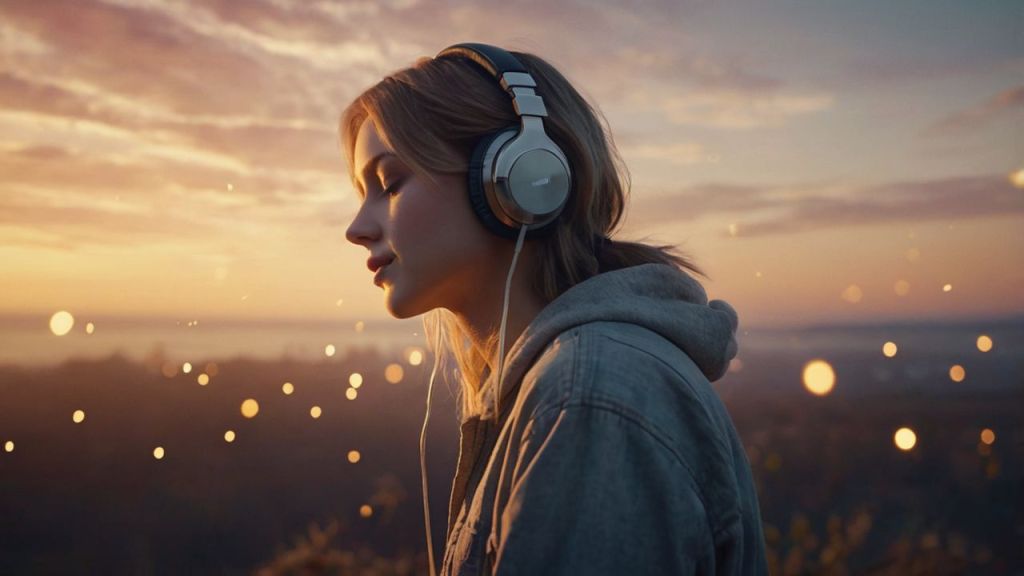
There’s something almost magical about how a single song can transport you back in time. A few familiar notes, and suddenly you’re 17 again, driving with the windows down, laughing with friends you haven’t seen in years. Music doesn’t just play in the background of our lives — it records them.
Every rhythm, lyric, and melody leaves a trace in the mind, turning into a bridge between who we were and who we’ve become.
The Science of Musical Memory
Music engages more parts of the brain than almost any other human activity. When you listen to a song, the auditory cortex translates sound waves into patterns; the hippocampus links them with memories; the amygdala tags them with emotion.
That’s why you don’t just remember a song — you feel it.
Researchers have found that the connection between music and memory is especially strong when emotions are involved. A song that played during your first heartbreak or your happiest trip becomes encoded along with those emotional memories. Later, hearing it again activates the same neural networks, reviving sensations that seem long gone.
That’s also why songs can stay stuck in your head — looping without permission. If you’ve ever wondered why that happens, we explored the phenomenon in Why That Song Won’t Leave Your Head: The Science Behind Earworms.
Why Teenage Songs Feel Eternal
Have you ever noticed that your favorite songs from your teenage years never lose their power? Psychologists call this the “reminiscence bump.” During adolescence and early adulthood, our brains are at their peak for forming emotional memories.
Everything feels more intense — love, loss, freedom — and the music we hear in that period becomes permanently linked to our sense of identity.
So when an old track from high school plays, it doesn’t just trigger nostalgia — it reignites the version of you who first heard it. That’s why no matter how much your taste evolves, those early songs feel like “home.”
How Music Becomes a Personal Archive
Our brains store memories in networks of association — smells, images, and sounds all intertwined. Music acts as a powerful retrieval cue, pulling whole scenes out of storage. A few chords can reopen doors you didn’t even realize were closed.
Some songs become emotional bookmarks: the lullaby your mother sang, the first dance at your wedding, the song that got you through a hard breakup. Each piece of music freezes a moment in emotional amber. Listening again is like replaying the past — not just remembering it, but reliving it with all senses awake.
That’s why people with memory loss or Alzheimer’s often respond to music even when other memories fade. The parts of the brain that process music remain remarkably resilient. Sometimes, a familiar song can awaken recognition, spark a smile, or even bring back the ability to speak.
Music as Therapy for the Present
We usually think of music as something that connects us to the past, but it can also shape our present.
Choosing a playlist is an act of emotional regulation — a way to steer mood, process feelings, or create space for healing. Calming music can reduce anxiety; upbeat rhythms can restore energy; melancholic melodies can help release sadness instead of burying it.
When you use music intentionally, it becomes more than entertainment — it’s self-therapy.
By revisiting certain songs consciously, you can reframe old emotions, transform how you relate to your memories, and even rewrite the stories you tell yourself about your past.
The Soundtrack You Create Every Day
Think of your life as a film in progress. Every day adds new scenes — and a new soundtrack. The songs you’re drawn to now will one day become memories too, carrying traces of who you were at this exact moment.
So listen carefully, not just for the beat but for what your music is teaching you about yourself. The tracks that comfort, challenge, or energize you are clues to what you need most right now.
And the next time an old song suddenly hits you in the chest, don’t rush to skip it. Let it play.
That melody isn’t haunting you — it’s reminding you that your life has always had a rhythm, and it’s still unfolding, note by note. -
Timeless Beauty and Strength: Why Granite and Marble Window Sills Elevate Any Interior
Window Sills Made of Granite and Marble: A Luxurious Detail of Your Interior are far more than just an architectural necessity — they are a statement of taste, craftsmanship, and enduring elegance. These natural stones have adorned the world’s most beautiful buildings for centuries, from ancient palaces to contemporary penthouses. When incorporated into a home’s design, granite and marble sills subtly transform ordinary windows into focal points, merging strength with sophistication. They speak of refinement, yet remain practical — a rare balance that defines true luxury.
Choosing the right material for a window sill might seem like a small detail, but in the world of interior design, such details make all the difference. Granite and marble possess a natural charm that manufactured materials can never quite replicate. Each piece carries its own story, etched by time and nature — veins, patterns, and color variations that are impossible to duplicate. This uniqueness ensures that no two window sills are ever alike, lending each interior a distinctive personality and a sense of authenticity.
Granite, often admired for its resilience, offers a striking blend of beauty and functionality. It withstands humidity, temperature fluctuations, and daily wear without losing its luster. This makes it an excellent choice for rooms that experience constant sunlight or condensation, such as kitchens, bathrooms, and conservatories. The tactile coolness of granite feels solid and grounding, reflecting both permanence and understated luxury. Its polished surface enhances light flow, creating a sense of openness even in compact spaces.
Marble, on the other hand, has long been associated with opulence and artistic heritage. From the columns of Roman villas to the sculptures of Michelangelo, it has symbolized refinement and timeless taste. When used for window sills, marble offers a soft, luminous glow that complements both classic and modern interiors. Its surface catches light in a way that few materials can — turning every sunrise into a quiet, elegant spectacle. Although marble requires slightly more care than granite, its aesthetic payoff is unmatched. A well-maintained marble sill can last for generations, aging gracefully and gaining a character that only time can bestow.
In contemporary design, granite and marble sills are increasingly being used not just for their beauty, but also for their environmental and health benefits. Both are natural, non-toxic materials that do not emit harmful substances, unlike many synthetic alternatives. They also help regulate indoor temperature, absorbing and releasing heat slowly, which contributes to a more balanced and comfortable living environment. When sourced responsibly, natural stone can be an eco-conscious choice that aligns with sustainable building principles.
One of the most appealing aspects of stone window sills is their versatility. They blend seamlessly with almost any design style — from rustic countryside homes to sleek urban apartments. In minimalist settings, a polished granite sill can add texture and depth without overwhelming the simplicity of the décor. In more traditional interiors, marble’s gentle veining harmonizes beautifully with wood, fabric, and brass details, evoking a sense of old-world charm. Whether you prefer subtle tones like creamy beige or bold contrasts like black and white, there’s always a type of granite or marble to suit your vision.
Maintenance, surprisingly, is quite simple. Regular dusting and occasional wiping with a mild, pH-neutral cleaner are usually enough to preserve their appearance. Avoiding abrasive chemicals ensures that the stone’s natural polish remains intact. With minimal effort, these materials can retain their shine and structural integrity for decades. This longevity not only adds value to your property but also reduces the need for replacement — a subtle but significant mark of sustainable living.
From a design perspective, window sills crafted from granite or marble act as natural transitions between indoor and outdoor spaces. They frame the view, directing attention toward the world beyond the glass while reflecting interior light inward. In sunlit rooms, their surfaces shimmer softly, creating an interplay of brightness and shadow that adds visual interest. When paired with matching countertops, flooring, or wall accents, they help create a sense of continuity and coherence throughout the space.
For homeowners looking to invest in something more than fleeting trends, granite and marble offer timeless appeal. Unlike synthetic materials that fade or deform with time, stone gains character. Small marks or subtle discolorations are not flaws — they are part of the stone’s evolving story. In this way, every sill becomes a living piece of the home’s history, a silent witness to its changing seasons and lives lived within its walls.
Ultimately, window sills made of granite and marble https://www.merchantcircle.com/blogs/diceus-holtsville-ny/2025/10/Window-Sills-Made/2964417 are a celebration of natural artistry. They bring the outdoors inside, capturing the raw beauty of the earth and shaping it into a functional design element. Whether you’re renovating an old home or designing a new one from scratch, investing in these luxurious materials is an investment in both aesthetics and durability. They remind us that true elegance lies not in extravagance, but in the thoughtful integration of form, function, and authenticity.
In a world increasingly dominated by synthetic materials and short-lived trends, granite and marble stand as symbols of permanence and grace. Their timelessness ensures that your home will not only look refined today but will continue to exude quiet sophistication for decades to come. Every time the light touches those smooth, cool surfaces, you’ll be reminded that luxury is not about excess — it’s about the harmony between nature’s gifts and human craftsmanship.
Read also:
-
Beyond Cold Calls: How B2B Lead Generation Services by Industry Are Redefining Growth
In the competitive landscape of modern commerce, B2B lead generation services by industry have evolved from being a mere sales support function to becoming the strategic heartbeat of entire organizations. No longer is lead generation about generic mailing lists or cold outreach. Today, it’s a sophisticated process that relies on industry insight, data analytics, and personalized engagement models that resonate with distinct buyer personas. From tech startups seeking enterprise clients to manufacturers targeting niche distributors, the art of finding and nurturing business leads has become a science of precision and relevance.

The truth is, not all industries approach lead generation the same way. What works for a SaaS company rarely suits a logistics firm. This realization has pushed agencies and in-house marketing teams to tailor their outreach strategies, technologies, and KPIs according to each sector’s dynamics. Industry-specific lead generation means understanding not only who your audience is, but why they buy, how they evaluate vendors, and what triggers their decision-making.
The Shift from Quantity to Quality
In earlier years, businesses measured lead generation success by volume: how many contacts were added to a CRM per week. But this “spray and pray” approach proved costly and ineffective. The current trend across industries favors quality and qualification. A single well-researched lead that converts into a loyal client is now more valuable than a hundred cold prospects who never respond.
Take the software-as-a-service (SaaS) industry as an example. SaaS buyers are typically analytical, time-constrained decision-makers who evaluate solutions through demos, case studies, and ROI projections. For them, effective lead generation means content-driven nurturing — webinars, comparison guides, and free trials that demonstrate expertise and reduce perceived risk. Contrast this with the construction or manufacturing sector, where relationships and trust still dominate over digital automation. Here, trade shows, direct referrals, and industry directories continue to play a major role, supported by digital tools rather than replaced by them.
Data-Driven Personalization Across Sectors
The backbone of modern lead generation is data. However, the way data is interpreted varies dramatically by industry. In financial services, lead generation relies heavily on compliance and credibility — meaning every outreach message must pass regulatory scrutiny while still sounding personal and relevant. Healthcare lead generation, on the other hand, must balance sensitivity with authority. Providers, clinics, and medical equipment suppliers require lead gen services that respect patient confidentiality laws (such as HIPAA) while maintaining transparency about product efficacy and value.
Meanwhile, in industries like real estate and logistics, timing is everything. A potential buyer might show interest only once per year, making it crucial to maintain consistent yet non-intrusive follow-up communication. This is where AI-enhanced tools, CRM automation, and predictive analytics have made a difference — not by replacing human judgment but by refining it.
The Role of Technology in Industry-Specific Lead Generation
While technology has leveled the playing field, it has also made competition fiercer. Marketers now use advanced platforms to identify and score leads based on intent signals — from website behavior to social media engagement. Yet the real innovation lies in how these tools are adapted for different industries.
For example, in the technology sector, intent data can predict which companies are actively seeking cloud migration solutions or cybersecurity upgrades. In manufacturing, sensors and IoT data can reveal operational pain points that signal readiness for new machinery. For professional services such as consulting or law, predictive analytics helps identify firms facing compliance changes or mergers — both strong lead indicators.
However, no software can replace genuine human interaction. A lead generation agency that understands an industry’s culture — the language its buyers speak, the conferences they attend, and the publications they read — holds a unique advantage. That’s why many successful B2B marketers now specialize narrowly, choosing to serve one or two verticals deeply instead of spreading themselves thin.
Case in Point: Industry-Centric Campaign Design
Consider a campaign for renewable energy providers. A generic outreach might highlight cost savings or sustainability metrics, but an industry-aware approach would go deeper — referencing government incentives, regional energy policies, and sector-specific challenges like grid integration. Similarly, a campaign for B2B fintech firms might focus on compliance automation or payment security, aligning the message with pain points that financial decision-makers actually face.
These nuances make the difference between a lead who ignores your email and one who books a demo. The key insight? Relevance builds trust, and trust converts.
Building Long-Term Value Through Industry Expertise
Another defining trend is the rise of partnership-based lead generation. Instead of short-term campaigns aimed at quick wins, companies increasingly invest in long-term collaboration with agencies that understand their industry ecosystem. These partnerships allow continuous optimization — refining audience profiles, content formats, and outreach timing based on evolving market feedback.
In industries like education technology or B2B healthcare, where sales cycles can stretch over months or even years, this consistency is critical. A one-off campaign might capture initial interest, but sustained engagement nurtures trust and familiarity, which ultimately drives purchase decisions.
The Future of B2B Lead Generation: Specialization and Storytelling
As digital transformation accelerates, industries are becoming more interconnected yet more complex. This paradox requires lead generation services that combine specialization with storytelling. Buyers are not persuaded by features alone; they’re drawn to narratives that show how a product fits into their operational reality.
In 2025 and beyond, successful B2B lead generation services by industry will depend on blending data intelligence with emotional intelligence. Marketers will need to interpret behavioral signals not just as numbers, but as human intent. AI tools will continue to evolve, but the industries that thrive will be those where empathy, insight, and expertise converge.
Read also:

 Tinytunes.app