-
Tiny tunes app android
Tiny Tunes is a free music player and downloader app for Android devices. It allows you to search and download songs from the internet and create playlists to play your music. You can also stream music online and listen to radio stations. The app has a simple and easy-to-use interface, and it supports various audio formats such as MP3, WAV, and M4A. You can use Tiny Tunes to discover new music and artists, or to listen to your favorite songs on the go.
Where download tiny tunes app for android

You can download Tiny Tunes for Android from the Google Play Store. Here are the steps:
- Open the Google Play Store app on your Android device.
- In the search bar, type “Tiny Tunes” and press Enter.
- Select the app from the search results.
- Tap the “Install” button to begin the download process.
- Wait for the download and installation process to complete.
- Once the app is installed, you can launch it from the app drawer on your device.
- In your browser, download the TinyTunes .APK file here: TinyTunes 1.16.2 APK Download
Alternatively, you can also download the Tiny Tunes APK file from a third-party website and install it manually on your device. However, it’s important to be careful when downloading apps from external sources, as they may contain malware or other malicious software.
-
AI Songwriter: Can Robots Create a Hit?

From the dance floor to your headphones — artificial intelligence is now writing the soundtrack of our lives. But can it make a hit?
🎧 Intro: When AI Meets Pop Music
Music has always been a deeply human art. It carries our emotions, memories, and dreams. But what happens when machines start creating melodies and lyrics? Are we entering a future where your favorite chart-topper is written by a robot?
The answer might surprise you.
In this article, we’ll explore the wild (and sometimes hilarious) world of AI songwriters — how they work, who’s using them, and whether they can actually craft a hit song.
🤖 What Is an AI Songwriter?
An AI songwriter is software powered by machine learning — often large language models like ChatGPT, or music-specific AI like AIVA, Amper Music, or Suno. These tools can write:
– Lyrics
– Melodies
– Chords
– And even full arrangements with vocals
All you have to do is give it a prompt like:
> “Write a catchy pop song about falling in love at a coffee shop.”
Within seconds, AI generates verses, chorus, and sometimes even suggests a melody. Some platforms can render it into an actual audio file with instruments and singing.
🎼 How AI Music Tools Work (In Simple Terms)
Most AI music platforms use two main types of technology:
1. Text-based AI (like GPT) — generates lyrics and song structure.
2. Audio synthesis AI (like MusicGen, Suno, or Boomy) — turns lyrics and musical ideas into real audio.
They’re trained on thousands (sometimes millions) of songs and lyrics, learning the patterns of different genres, rhythms, and themes.
When you type “Make me a sad ballad in the style of Adele,” the AI doesn’t copy — it recreates based on learned patterns. Pretty magical, right?
🎤 Can AI Write a Hit?
Let’s get to the juicy question: Can AI write a real hit?
Technically — yes. Emotionally — it’s complicated.
AI can:
– Follow structure
– Use catchy rhymes
– Emulate styles
– Spit out 10 song drafts in 10 minutes
But what it lacks is the real-life emotional experience — heartbreak, rebellion, passion, joy. That spark is still very human.
That said… it’s getting scary good. In 2023, a TikTok “AI Drake” track went viral and racked up millions of views before being pulled down. Some fans *preferred it* over real Drake songs.
🎵 Example: Prompt to Playback
Here’s a real test using ChatGPT + Boomy:
Prompt:
> Write a pop song about dancing through heartbreak, in the style of Dua Lipa.
Lyrics Sample:
Verse 1
Tears on the dance floor, neon and pain
Spinning in circles, I’m smiling through rain
You broke the rhythm, but not my soul
I’m turning this loss into glitter and gold
Chorus
Dancing through heartbreak, heels on the fire
Losing you only lit my desire
Heart on the beat, love on delay
But baby, I’m dancing the tears away
Not bad, right? Then with Boomy, you can add instruments, tempo, and export the track. Voila — a full song in under 30 minutes.
🛠️ Best AI Tools to Try Right Now
Here are some tools if you want to play AI popstar:
– ChatGPT / Gemini / Claude — For writing lyrics and concepts
– Suno.ai — For generating full songs from text
– Boomy — Make, record, and share AI-generated music instantly
– AIVA — For composing orchestral or cinematic music
– Soundraw — Custom tracks for videos and creators
Some are free, some offer premium features, but all are beginner-friendly.
💡 Creative Use Cases for AI Songwriting
You don’t have to be Beyoncé to enjoy AI songwriting. Here’s how creators are using it:
– YouTubers & Podcasters — Custom jingles and intros
– TikTok Creators — Funny songs and memes
– Musicians — Drafting ideas, breaking writer’s block
– Marketers — Ad jingles and theme songs
– Game Developers — Background music for levels or scenes
It’s like having a songwriter assistant in your pocket — minus the tour bus.
⚠️ But Wait — Is It Legal?
Great question! AI-generated music has stirred up legal debates. Some key points:
– If AI mimics a real artist’s voice (like Drake or Rihanna), it can trigger copyright issues
– If it creates original lyrics/music from your input, it’s usually safe
– Some tools let you license the tracks for commercial use (Boomy, Soundraw, etc.)
Always check each platform’s terms and conditions before uploading your AI banger to Spotify. 😉
🎯 Final Thoughts: Man vs. Machine?
Will robots replace musicians? Unlikely. But will they become part of the creative process? Absolutely.
AI songwriters are not here to steal the stage — they’re here to help brainstorm, build, and explore ideas faster than ever. The best hits will likely come from a blend: human emotion + AI efficiency.
So… next time inspiration fades, open a chatbot. Who knows — maybe your next hit is just a prompt away.
🧪 Bonus Prompts to Try
Feeling creative? Copy and paste these into ChatGPT:
– “Write a rock ballad about falling in love with an alien.”
– “Make a country song from the perspective of a lonely houseplant.”
– “Create a dance-pop anthem about deleting your ex from Spotify.”
– “Rap battle: Old school calculator vs. AI assistant.” -
Chatbots That Compose: Using GPT to Generate Lyrics
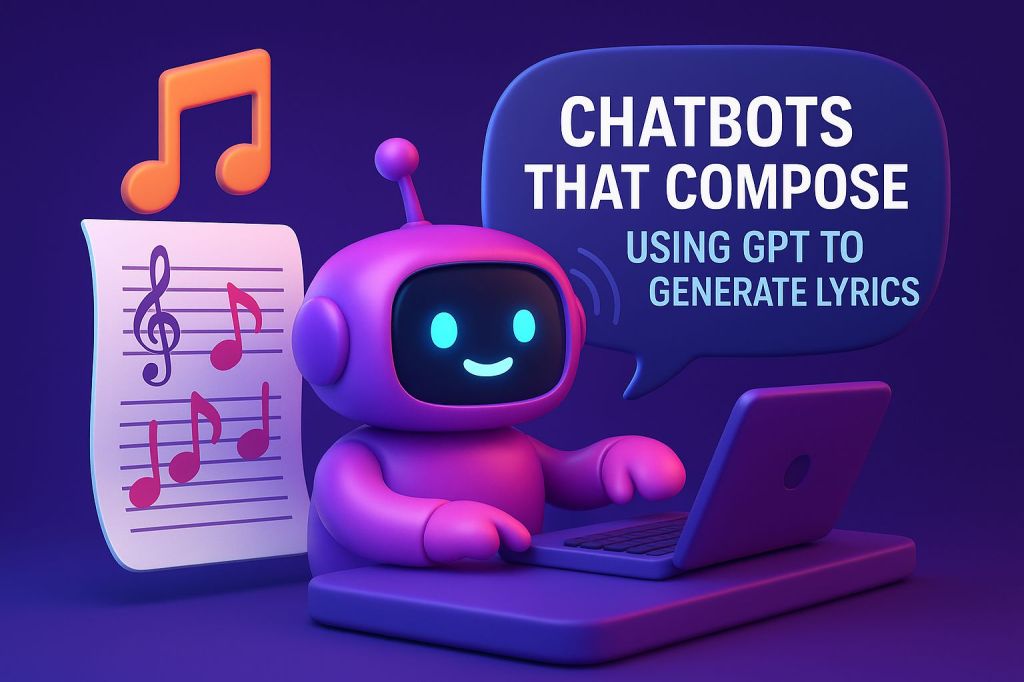
Can artificial intelligence really write a song that touches your soul? Let’s find out.
🎶 Introduction: The Rise of AI in Music
Artificial Intelligence has already changed how we write, communicate, and work. But now, it’s stepping into one of the most human arenas: music creation. With tools like ChatGPT, GPT-4, and other advanced language models, song lyrics can now be generated in seconds.
Whether you’re a musician, content creator, or just someone curious, AI can become your creative assistant — not your replacement. In this article, we’ll explore how to use GPT models to generate lyrics, how to guide the output, and what makes AI-generated lyrics actually good.
🤖 How GPT-Based Chatbots Generate Lyrics
At the core, GPT models are trained on vast amounts of text data — including books, articles, poetry, and yes, song lyrics. When you ask it to write a song, it doesn’t pull from a database. Instead, it generates new combinations of words based on patterns it has learned.
You give it:
– A prompt (e.g., “Write a pop song about summer love”)
– A style (e.g., “like Taylor Swift”)
– And sometimes a structure (e.g., verse, chorus, verse, chorus)
And voilà — lyrics are born in under 30 seconds.
🛠️ Step-by-Step: How to Generate Song Lyrics Using ChatGPT
1. Define your genre and mood
Think: Pop, Rock, Indie, Rap, or Ballad? Happy, nostalgic, sad, rebellious?
Example prompt:
> “Write lyrics for an upbeat indie-pop song about finding peace after heartbreak.”
2. Add structure and format
Ask GPT to follow a typical song format:
– Verse
– Pre-Chorus
– Chorus
– Bridge
Example prompt (continued):
> “Include two verses, a chorus that repeats, and a short bridge.”
3. Choose a voice or influence
Want the song to sound like a specific artist? Just ask.
> “Make it in the style of Lana Del Rey.”
4. Refine with details
The more detail you give, the better the result. Describe setting, emotions, or even metaphors you want used.
🎤 Example Output
Let’s try a quick prompt:
Prompt:
> Write a folk song in the style of Bob Dylan about walking alone through a desert, searching for meaning.
Generated Lyrics (sample):
Verse 1
I walked the dust with no shadow to cast
The wind at my back and the questions held fast
A bottle of water, a whisper of grace
Miles from the world, not a soul in this place
Chorus
I’m searchin’ the sand for a sign from above
A message in echoes, a lesson in love
No compass, no map, just the sun sinking low
And the thoughts in my head as I go
Pretty good for a machine, right?
🧠 Tips to Get Better Results
– Use specific emotions: sadness, nostalgia, euphoria — emotional context helps GPT frame lyrics.
– Avoid overly generic prompts: “Write a song about love” is too vague.
– Use iterations: if the first version is weak, ask GPT to “make it more poetic” or “add metaphors.”
💡 Creative Ways to Use AI-Generated Lyrics
– As a starting point for real songs
– For jingles in marketing content
– As lyrics for social media reels or TikTok
– To overcome writer’s block
– For fun creative experiments or poetry
You can even combine AI lyrics with AI music tools (like Soundraw, AIVA, or Boomy) and generate full demo tracks.
🎯 Final Thoughts
AI won’t replace songwriters — but it can absolutely enhance creativity. Think of GPT not as a composer, but as a collaborator who works 24/7, never gets tired, and has endless ideas.
Whether you’re a professional musician or just someone with a melody in your head, GPT tools offer a fascinating new way to turn thoughts into lyrics.
So next time inspiration runs dry… maybe it’s time to ask a chatbot.
✅ Bonus Prompt Ideas
Try these creative prompts in ChatGPT:
– “Write a rap battle between a cat and a dog.”
– “Create a sea shanty about quitting social media.”
– “Write a rock anthem about coffee addiction.”
– “Make a country song from the perspective of a smart fridge.”
— -
The Psychology of Sleep Sounds: Why Rain and Ocean Waves Work

When you think of sleep aids, your mind might go to melatonin, herbal teas, or blackout curtains. But more and more people are discovering a surprisingly powerful tool for better rest: sound. Not just any sound—rainfall, ocean waves, distant thunder, and soft ambient hums. But why do these natural noises lull us to sleep so effectively?
Let’s explore the psychology and science behind sleep sounds and why your brain loves the sound of raindrops.
White Noise, Pink Noise, and Everything in Between
Before diving into the ocean (pun intended), it’s helpful to understand what types of sounds are most commonly used for sleep:
• White Noise: Equal energy at all frequencies (think TV static or a loud fan). It masks sudden noises like car horns or footsteps.
• Pink Noise: More energy in lower frequencies (sounds more like rainfall or rustling leaves). Considered more soothing and natural than white noise.
• Brown Noise: Even deeper, richer—similar to heavy rain, thunder, or distant waterfalls.
Studies show that pink noise tends to be the most beneficial for improving sleep depth and stability. It mimics the natural rhythm of our brain waves and creates a calm, stable soundscape.
Why Rain Sounds Are So Relaxing
There’s something primal about the sound of rain. It evokes safety, coziness, and even nostalgia. From an evolutionary perspective, rain signals a time when predators are less active and movement is reduced—perfect conditions for rest.
Psychologists also believe that:
• Rain has non-threatening randomness: it’s unpredictable enough to hold our attention but soft enough not to startle us.
• The sound of rain often drowns out sudden external noises, such as traffic or noisy neighbors.
• It creates a mental image of safety—a warm bed, a dark room, and being protected from the storm.
Ocean Waves: Nature’s Deep Breathing
Another favorite? The steady rhythm of ocean waves. They’re naturally repetitive and sync with the pace of deep breathing or meditation. This subconsciously encourages your own breath to slow down, reducing stress and anxiety.
Plus, ocean sounds often contain a low-frequency hum, which calms the autonomic nervous system—lowering your heart rate and preparing your body for sleep.
The Science: What Research Says
A growing number of studies support the use of ambient or nature-based sounds for sleep:
• A 2017 study published in Frontiers in Human Neuroscience showed that pink noise enhances deep sleep and improves memory consolidation.
• The Journal of Caring Sciences found that listening to nature sounds reduced anxiety and improved sleep quality in hospital patients.
• MRI research has shown that natural sounds increase parasympathetic nervous system activity—a key factor in relaxation and recovery.
Simply put: your brain loves nature.
How to Use Sleep Sounds Effectively
Not all soundscapes are created equal. To get the most out of your sleep audio experience:
1. Use a Timer: Avoid sounds playing all night. Set a timer to fade out after 30–90 minutes.
2. Avoid Sudden Transitions: Choose loops or continuous sounds with no sharp changes.
3. Optimize Your Environment: Combine soundscapes with a cool, dark room and minimal light.
4. Try Mixing Sounds: Many apps allow you to blend rain with piano or ocean with distant thunder for a fully customized experience.
Apps That Deliver the Best Sleep Sounds
Several apps specialize in sleep sound experiences. Some of our favorites include:
• BetterSleep: Offers a customizable mixer with over 300 sounds—from gentle streams to Tibetan bowls.
• Calm: Features high-quality rain, wind, and even crickets—layered with meditative music.
• Headspace: Combines nature audio with mindfulness techniques.
• YouTube: A surprising favorite for free sound loops (just be wary of ads).
💤 We recently tested all of these apps and shared our experiences in this in-depth post:
👉 We Tested 5 Music Apps for Sleep – Here’s What Happened
Highly recommended if you’re unsure which app to start with!
Final Thoughts: Sleep Is a Soundscape
In a world full of stress and overstimulation, it’s comforting to know that nature—something as simple as rain—still holds the key to our well-being. Whether it’s the white noise of a fan or the lull of ocean waves, sleep sounds offer a gentle reminder: you don’t have to do anything. Just listen. And rest.
So tonight, skip the scrolling and let the storm roll in—softly, rhythmically, just for you. -
We Tested 5 Music Apps for Sleep – Here’s What Happened
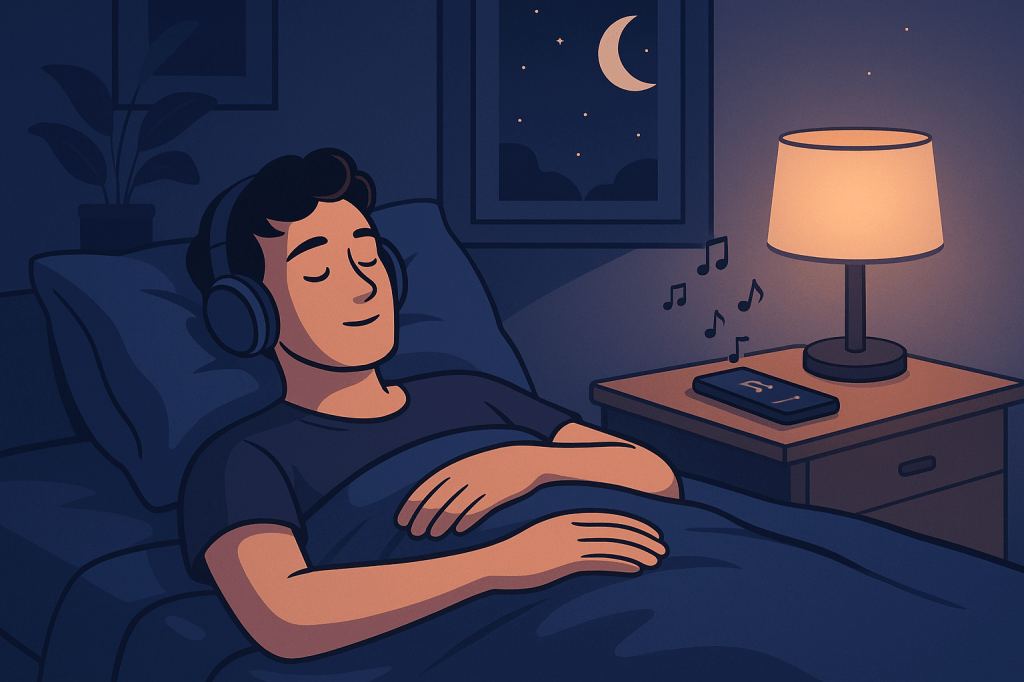
If you’ve ever found yourself lying in bed, staring at the ceiling and wondering *why can’t I just fall asleep already?*, you’re not alone. Millions of people struggle with getting quality sleep—and more and more of them are turning to music apps for help. But which ones actually work?
We decided to test five popular music and sound apps designed to help you sleep. One week, five apps, five nights of testing… and some surprising results.
The Setup: Our Ground Rules
Each night, we used a different app for sleep and tracked:
• How long it took to fall asleep
• The quality of sleep (how many times we woke up, how we felt in the morning)
• Overall vibes and user experience
We didn’t use any other sleep aids like melatonin, so the effects were all from the apps themselves.
1. Calm – The Celebrity Favorite
Vibe: Soothing, premium, polished
Features Used: Sleep Stories + Sleep Music
Night’s Experience: We chose a bedtime story narrated by Matthew McConaughey (yes, really). His voice was like a warm blanket of molasses. Within 15 minutes, sleep crept in quietly. It felt like floating. Woke up once briefly around 3 AM but drifted back easily.
Sleep Score: 9/10
Why It Works: The combination of soft storytelling and background music is incredibly calming.2. Spotify – The DIY Approach
Vibe: Familiar, customizable, a bit chaotic
Features Used: User-created sleep playlists
Night’s Experience: We searched for “deep sleep music” and picked a 4-hour ambient playlist. While the music was decent, some songs had random volume changes that woke us up around 2 AM. No ads (thanks, Premium), but it still lacked that “guided sleep” feel.
Sleep Score: 6.5/10
Why It Works (Sometimes): Depends heavily on playlist quality—great if you know exactly what calms you.
3. BetterSleep – The Unexpected Star
Vibe: Versatile, playful, interactive
Features Used: Soundscape Mixer
Night’s Experience: We created our own sound mix: rain on a tent, soft piano, and distant thunder. Honestly? It felt like camping with an angel playing music nearby. Fell asleep in under 10 minutes. Woke up refreshed and in a weirdly good mood.
Sleep Score: 9.5/10
Why It Works: Personalization is powerful—you feel like you made your own dreamscape.
4. Headspace – Mindfulness Meets Sleep
Vibe: Calm, structured, mindfulness-focused
Features Used: Sleepcasts + Wind-down meditations
Night’s Experience: Started with a 3-minute breathing meditation, then a “Sleepcast” about a gentle train ride through the countryside. Very relaxing, but felt slightly too slow-paced at times. Fell asleep eventually, but not as quickly as other nights.
Sleep Score: 7.5/10
Why It Works: Great for people with racing thoughts or anxiety at night.
5. YouTube – Chaos or Comfort?
Vibe: Wild card
Features Used: 8-hour rain sounds video
Night’s Experience: Chose a video titled “Gentle Rain on Leaves – 10 Hours – No Ads.” The sound was surprisingly soothing, but the glow of the screen was distracting at first (forgot to set the phone screen to black). Slept decently after turning it over.
Sleep Score: 6/10
Why It Works: Simplicity. But the interface isn’t really made for sleeping.
So… Which App Is Best for Sleep?
If you’re looking for guided relaxation and high production value, Calm is a top pick.
If you want total creative control, BetterSleep lets you design your own sleep world.
Spotify and YouTube can work, but only with the right content (and zero distractions).
And Headspace is great if you want to combine mindfulness with sleep hygiene.
Final Thoughts
Music and sound apps aren’t magic cures, but they *do* make a difference—especially if falling asleep feels like a nightly battle. We didn’t expect to love BetterSleep so much, but the ability to mix your own sounds was unexpectedly soothing. Sleep is personal, and thankfully, now there’s an app for every kind of dreamer.
So next time you can’t sleep? Maybe don’t count sheep. Just let your favorite sleep app sing you to dreamland. -
Brain-Computer Interfaces: Merging Mind and Machine
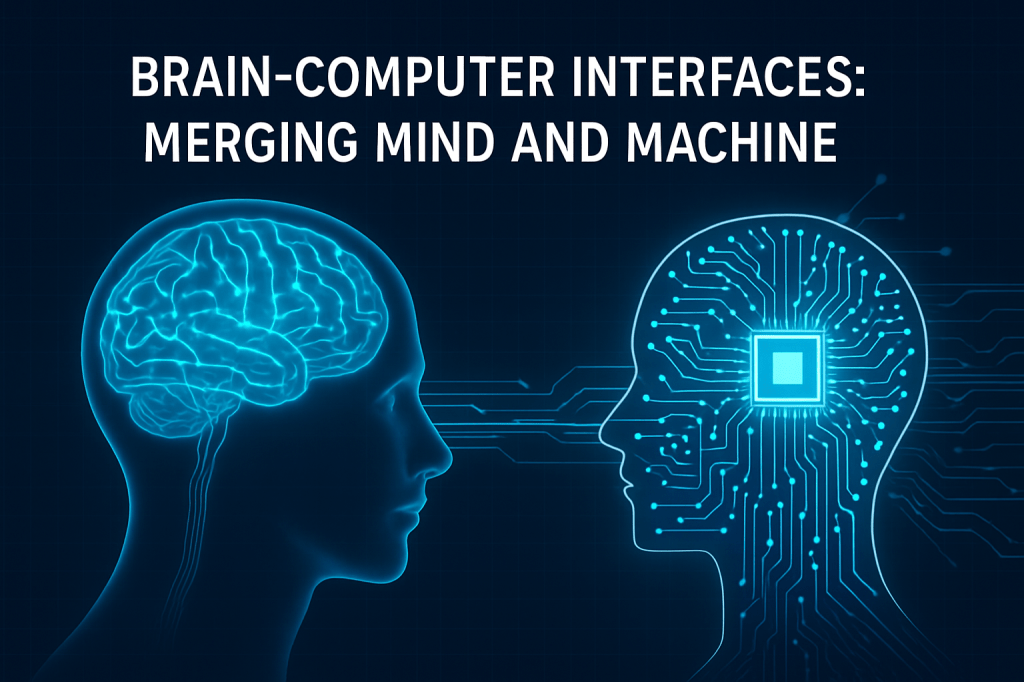
In the age of rapid technological evolution, few innovations feel as profound and potentially transformative as Brain-Computer Interfaces (BCIs). Once the stuff of science fiction, BCIs are now moving closer to becoming everyday reality. These devices, which establish a direct communication pathway between the human brain and external machines, hold the power to revolutionize medicine, communication, and even our understanding of consciousness itself.
What Are Brain-Computer Interfaces?
A Brain-Computer Interface is a system that allows the brain to send and receive information directly to or from a computer or other external device. This can be achieved through various methods, including non-invasive technologies like EEG (electroencephalography), semi-invasive methods such as ECoG (electrocorticography), and fully invasive approaches like implanted electrodes. Regardless of the method, the goal is the same: bypass traditional physical pathways and connect thought to action.
From Thought to Action: How BCIs Work
At the core of every BCI is the ability to detect neural activity. The human brain consists of approximately 86 billion neurons that communicate via electrical impulses. By capturing these impulses, BCIs can interpret patterns that correspond to thoughts, intentions, or motor commands.
For example, in motor BCIs, when a person thinks about moving their arm, specific neurons in the motor cortex fire. BCIs detect these signals, decode them, and translate them into commands that a computer or robotic limb can understand — allowing a paralyzed person to control a prosthetic simply by thinking.
Medical Miracles in the Making
The most immediate and compelling applications of BCIs lie in medicine. For individuals suffering from neurodegenerative diseases like ALS, spinal cord injuries, or strokes, BCIs offer the promise of regained independence.
Several breakthroughs have already occurred:
• Restoring Communication: Projects like Meta’s Speech Neuroprosthesis or Neuralink’s experiments with implanted chips are enabling people who have lost the ability to speak to communicate again — by translating neural signals into text or synthesized speech in real-time.
• Controlling Prosthetics: Companies like BrainGate and DARPA are developing prosthetic limbs that respond to thought, with some patients already able to move robotic arms or hands with surprising accuracy and fluidity.
• Neurorehabilitation: BCIs are also being used to retrain damaged neural pathways, helping stroke victims regain motor function through neurofeedback and guided movement therapy.
Beyond Medicine: Expanding Human Potential
While the medical applications are powerful, the long-term vision of BCIs extends far beyond healthcare.
Imagine typing an email simply by thinking, or controlling your smart home with nothing more than a thought. BCIs could enable direct interaction with digital systems, bypassing keyboards, touchscreens, or voice commands. For creative professionals, it might become possible to draw, compose music, or write code directly from the brain — unlocking new dimensions of productivity and expression.
Some even envision **“neural augmentation,”** where humans enhance their natural cognitive abilities. Could BCIs help us learn languages faster? Improve memory? Merge with AI to become superintelligent hybrids?
The Role of Companies Like Neuralink
Elon Musk’s Neuralink has been one of the most visible champions of BCI technology. The company aims to develop high-bandwidth, minimally invasive BCIs that not only restore lost function but eventually expand human capabilities. In 2024, Neuralink implanted its first chip in a human patient, who reportedly could control a cursor on a screen just by thinking — a monumental step for the field.
Neuralink’s ultimate goal? A future where humans and AI exist in a symbiotic relationship, with BCIs serving as the interface between the biological and the artificial.
Ethical and Philosophical Implications
But with great power comes great responsibility — and BCIs raise serious ethical questions.
• Privacy of Thought: If machines can read our thoughts, who controls that data? How do we protect mental privacy in a world where thoughts could potentially be hacked?
• Consent and Safety: Invasive BCIs involve brain surgery, which carries risks. Even non-invasive systems could affect mental health if misused or over-relied upon.
• Digital Divide: Will BCI technology be accessible to everyone, or only the wealthy and powerful? Could it create a new form of inequality between the “augmented” and the “natural”?
• Identity and Consciousness: If we merge our minds with machines, what happens to our sense of self? At what point does a human enhanced by AI cease to be fully human?
These are not hypothetical concerns. As the technology develops, society will need to develop frameworks — legal, ethical, and cultural — to ensure that BCIs benefit humanity without compromising our values.
The Road Ahead
BCIs are still in their infancy. Current systems are expensive, slow, and often require specialized equipment or surgical procedures. But progress is accelerating. As neural recording becomes more precise, machine learning improves decoding accuracy, and brain implants become safer, the vision of seamless mind-machine integration is becoming increasingly plausible.
In the next decade, we may see the first commercial BCI devices for healthy users, perhaps as brain-enhancing wearables or even smartphone-controlled implants. As they become more common, BCIs could reshape how we work, communicate, learn — and ultimately, how we understand what it means to be human.
Conclusion
Brain-Computer Interfaces are more than just a new technology — they represent a new frontier of human experience. By merging mind and machine, BCIs challenge the boundaries between biology and technology, reality and imagination. Whether used to restore lost abilities or unlock entirely new ones, BCIs have the potential to redefine our relationship with ourselves, with each other, and with the digital world.
The future is not just about smarter machines — it’s about smarter, more connected humans. -
How to Improve Domain Authority: Proven SEO Techniques

Domain Authority (DA) is one of the most discussed metrics in the world of SEO. Originally developed by Moz, DA is a score that predicts how well a website will rank on search engine results pages (SERPs). While it is not an official Google metric, it is widely used by SEO professionals to assess website quality and competitiveness. The higher your Domain Authority, the more likely your site is to rank for competitive keywords.
If you’re looking to improve your site’s visibility and authority, focusing on DA is a smart move. In this article, we’ll explore the most effective techniques to increase your Domain Authority — and ensure your website stands out in the crowded digital landscape.
What Is Domain Authority and Why Does It Matter?
Domain Authority is scored on a scale from 1 to 100. The higher your score, the stronger your domain is perceived to be in the eyes of search engines. Websites like YouTube, Wikipedia, and Amazon score in the 90s, while newer or smaller websites typically fall between 10 and 40.
Although Google doesn’t use DA as a direct ranking factor, the elements that contribute to a high DA — such as strong backlinks, quality content, and good site structure — also influence how Google evaluates your site. So, optimizing for Domain Authority is effectively optimizing for better rankings.
Proven Strategies to Boost Your Domain Authority
1. Create High-Quality, Shareable Content
Content is the foundation of SEO. To improve your Domain Authority, you must consistently publish content that is original, useful, and engaging. Evergreen articles, in-depth guides, and comprehensive how-tos tend to attract more shares and backlinks over time. Google values content that genuinely helps users, so prioritize clarity, depth, and structure.
2. Focus on Link Building
Building a strong backlink profile is one of the most effective ways to increase DA. When authoritative sites link back to your content, they pass link equity, which improves your trustworthiness in the eyes of search engines.
If you’re looking to dive deeper into how backlinks influence your SEO and learn specific techniques for earning high-quality links, be sure to check out this detailed guide on building a quality link profile. It breaks down the process and explains why not all links are created equal.
3. Optimize Your Site Structure and Internal Linking
A clean, well-organized website helps both users and search engines navigate your content. Make sure your URL structure is logical, your navigation is intuitive, and your internal linking is strategic. Internal links help distribute page authority and signal the relevance of your pages. They also help search engines discover new content faster.
4. Improve Your Technical SEO
Technical issues can severely limit your DA potential. Regularly audit your website for:
• Fast loading speed
• Mobile-friendliness
• HTTPS security
• Proper use of canonical tags
• Elimination of broken links
• XML sitemap accuracy
A healthy site is easier for search engines to crawl and index — and that translates into better performance.
5. Build a Strong Internal and External Link Strategy
Internal links keep users on your site longer and encourage deeper engagement. But external links matter too — referencing reputable sources can increase your content’s credibility and may encourage others to link back to you. Think of linking as a web: the stronger your threads, the more authority your site gains.
The Patience Factor: DA Doesn’t Grow Overnight
Improving your Domain Authority is a long-term game. Don’t expect your score to shoot up in a matter of days or even weeks. It requires a consistent publishing schedule, steady backlink acquisition, and constant optimization. Monitor your progress with tools like Moz, Ahrefs, or SEMrush, and remember that upward trends, even slow ones, are still wins.
Also, focus on your audience rather than chasing metrics. A truly helpful website will naturally attract attention, shares, and links — all of which contribute to higher DA over time.
Final Thoughts
Domain Authority is a valuable indicator of your website’s overall strength and potential to rank. While it’s not a direct Google ranking factor, the techniques that boost DA — creating high-quality content, earning authoritative backlinks, optimizing technical SEO — are aligned with best SEO practices.
If you’re serious about taking your website to the next level, start by evaluating your current DA, identifying weak areas, and implementing the strategies above. And don’t forget to revisit the importance of backlinks in detail by exploring the comprehensive guide linked here. The more informed your approach, the stronger your SEO foundation will be. -
The Role of Backlinks in SEO: How to Build a Quality Link Profile

In the world of search engine optimization (SEO), backlinks play a crucial role in determining how well your website ranks on search engine results pages (SERPs). Backlinks, also known as inbound links, are links from one website to another. They act as votes of confidence, signaling to search engines that your content is valuable and trustworthy. However, not all backlinks are created equal — the quality and relevance of your backlinks can significantly impact your SEO success. In this article, we will explore why backlinks matter and provide actionable strategies for building a high-quality link profile.
Why Backlinks Matter in SEO
Backlinks are one of the key ranking factors used by search engines like Google. When a reputable site links to your website, it suggests that your content is authoritative and worth referencing. This helps improve your domain authority, which in turn can boost your rankings.
Moreover, backlinks drive referral traffic from other sites. Visitors who click on a backlink are more likely to be interested in your content, increasing the chances of engagement and conversions. Therefore, backlinks serve a dual purpose: they help your SEO and bring in targeted visitors.
However, low-quality backlinks from spammy or irrelevant sites can harm your website’s reputation. Search engines may penalize sites with unnatural or manipulative link profiles. That’s why focusing on building a quality link profile is essential.What Makes a Backlink High-Quality?
Not every backlink will positively affect your SEO. Here are some characteristics of a high-quality backlink:
• Relevance: The linking website should be related to your industry or niche. For example, if you run a fitness blog, a backlink from a health website is more valuable than one from a random unrelated site.
• Authority: Links from websites with strong domain authority, such as major publications or well-established blogs, carry more weight.
• Trustworthiness: Avoid links from spammy, low-quality, or suspicious websites. These can negatively impact your SEO.
• Natural Placement: Backlinks embedded naturally within the content are preferred over those placed in footers, sidebars, or link directories.
• Anchor Text: The clickable text of the link (anchor text) should be relevant and varied to avoid over-optimization penalties.
Strategies to Build a Quality Link Profile
Building a quality backlink profile requires time, effort, and a thoughtful approach. Here are some effective strategies to get started:
1. Create Exceptional Content
The foundation of any successful backlink strategy is valuable content. When you produce high-quality, original, and engaging content, other websites are more likely to reference and link to it. Content types that attract backlinks include:
• In-depth guides and tutorials
• Research studies and data-driven articles
• Infographics and visual content
• Case studies and success stories
• Expert roundups or interviews
2. Guest Blogging on Relevant Sites
Guest blogging is a widely used tactic where you write articles for other reputable blogs within your niche. This allows you to showcase your expertise and earn backlinks to your site. When pitching guest posts, focus on quality websites with engaged audiences rather than just any platform.
3. Build Relationships with Industry Influencers
Networking with influencers and thought leaders in your field can lead to natural backlinks. Engage with them on social media, comment on their content, or collaborate on projects. Genuine relationships often result in mentions and links to your site.
4. Use Broken Link Building
This technique involves finding broken links on authoritative websites and suggesting your relevant content as a replacement. It’s a win-win: you help webmasters fix broken links while earning a valuable backlink.
5. Participate in Online Communities and Forums
Contributing useful information in relevant forums, Q\&A sites like Quora, or niche communities can earn you backlinks and traffic. Be sure your contributions are genuine and add value, avoiding spammy link dropping.
Monitoring and Maintaining Your Backlink Profile
Once you start building backlinks, it’s important to monitor their quality regularly. Use tools like Google Search Console, Ahrefs, or SEMrush to track your backlinks and identify any harmful links. If you discover spammy or toxic backlinks, consider disavowing them to protect your site’s SEO.
Additionally, continue building new links and nurturing existing relationships. SEO is an ongoing process, and maintaining a healthy backlink profile requires consistent effort.
Conclusion
Backlinks remain a fundamental component of SEO, helping to establish your website’s authority and improve search engine rankings. But the key to success lies in focusing on quality rather than quantity. By creating valuable content, building genuine relationships, and using smart strategies like guest blogging and broken link building, you can develop a strong, natural backlink profile that supports long-term SEO growth.
Remember, patience is essential — building a solid backlink profile takes time but yields lasting rewards for your website’s visibility and credibility. -
🤖 How AI is Revolutionizing Everyday Life

Artificial intelligence, once a distant concept found only in sci-fi movies, has become deeply embedded in our daily routines. It’s no longer just about robots or complex algorithms used by scientists — AI now lives in your phone, your home, your car, and even your shopping cart. Whether you realize it or not, AI is revolutionizing how we live, work, and interact with the world.
Let’s explore the remarkable ways AI is reshaping everyday life — and why this is just the beginning.
🏠 Smart Homes: The AI-Powered Living Space
Imagine waking up to your curtains opening automatically, your coffee brewing, and your favorite playlist starting — all triggered by your smart assistant. That’s not fantasy anymore. AI-powered smart home systems like Amazon Alexa, Google Assistant, and Apple HomeKit are making everyday tasks seamless and automated.
AI controls lighting, temperature, security systems, and even appliances. Over time, it learns your routines — when you usually get home, how warm you like your room at night, what kind of lighting you prefer in the evening — and adjusts accordingly. This makes life more efficient, comfortable, and energy-saving.
🗣️ Virtual Assistants: More Than Just Voice Commands
From setting reminders to answering questions, AI-driven virtual assistants have become indispensable. Whether it’s Siri helping you send a text, Google Assistant managing your schedule, or ChatGPT drafting an email, AI acts as a second brain — organizing your tasks and saving your time.
The newest generation of AI assistants understands context, adapts to your preferences, and even handles complex, multi-step commands. Ask your assistant to book a restaurant, add it to your calendar, and text your friend — and it’ll do it all within seconds.
🛒 Personalized Shopping & Recommendations
Ever noticed how Netflix seems to know exactly what you want to watch? Or how Spotify builds playlists that match your mood? That’s AI at work. Recommendation engines powered by machine learning analyze your past behavior and compare it with millions of others to predict what you’ll enjoy next.
Online shopping platforms like Amazon or eBay use similar algorithms to suggest products, offer bundles, and even adjust prices dynamically. This level of personalization enhances user experience and helps businesses increase engagement.
🚗 Smarter Transportation
AI is steering the future of transportation — both literally and figuratively. From self-driving cars developed by Tesla or Waymo, to AI-powered GPS apps like Waze or Google Maps that optimize routes based on live traffic, artificial intelligence is making travel faster, safer, and more efficient.
Even public transportation systems in cities like Singapore, London, or Dublin now use AI to adjust schedules, predict delays, and manage passenger flow — reducing congestion and improving punctuality.
💼 AI at Work: Virtual Colleagues & Automation
In offices around the world, AI is transforming how we work. Chatbots handle customer service 24/7, algorithms automate repetitive data entry tasks, and tools like Grammarly or Jasper improve writing.
For professionals in fields like finance, law, and marketing, AI analyzes massive data sets in seconds — spotting patterns that humans might miss. This doesn’t just save time; it amplifies creativity and decision-making.
And with the rise of remote work, AI also supports productivity by managing calendars, suggesting focus times, and even analyzing team collaboration trends.
💡 Everyday AI You Might Overlook
You don’t need to be a tech expert to use AI — it’s all around you:
• Smart cameras that sort photos by face or place
• Spam filters that keep your inbox clean
• Voice-to-text tools that transcribe your thoughts instantly
• Fitness apps that adapt workouts to your progress
• Translation tools that bridge global language gaps
These tools are powered by sophisticated machine learning — yet they feel simple, because the best AI works invisibly.
🔐 Security, Privacy & Ethical Concerns
As AI becomes more integrated into life, there are rising concerns about data privacy, algorithmic bias, and ethical use. Facial recognition, for instance, can help unlock phones or catch criminals — but also raises issues around surveillance and consent.
It’s important for both users and developers to demand transparency, fairness, and accountability from AI systems. Governments and tech companies are now working on regulations to ensure that AI empowers people without exploiting them.
🌍 Global Impact: AI in Developing Nations
AI isn’t just transforming Silicon Valley — it’s also improving lives in developing countries. In rural regions, AI is helping farmers predict weather and optimize crops. In health care, chatbots provide basic medical advice in underserved areas.
For instance, AI-driven language tools are helping preserve endangered dialects, while mobile education apps use AI to deliver customized learning to children with no access to traditional schools.
🚀 What’s Next?
The future of AI promises even more exciting changes:
– Emotional AI that understands human feelings
– AI in education offering personalized learning paths
– Augmented reality assistants blending physical and digital worlds– Predictive healthcare that spots illness before symptoms appear
– Smarter cities managed by AI systems to improve traffic, safety, and energy use
As AI continues to evolve, it will become more human-centric — working quietly in the background to make life easier, safer, and more fulfilling.
🧭 Final Thoughts
Artificial intelligence is no longer the future — it’s the present. From the moment you wake up until you go to sleep, AI touches your life in more ways than you might realize. As it becomes more advanced and accessible, it’s up to us to use it wisely — not just to make life more convenient, but to solve real-world problems and build a better future.
Whether you’re asking your smart speaker to play a song or using AI to improve your business strategy, you’re already part of the AI revolution. -
The Future of Personal Data: What Your Devices Know About You
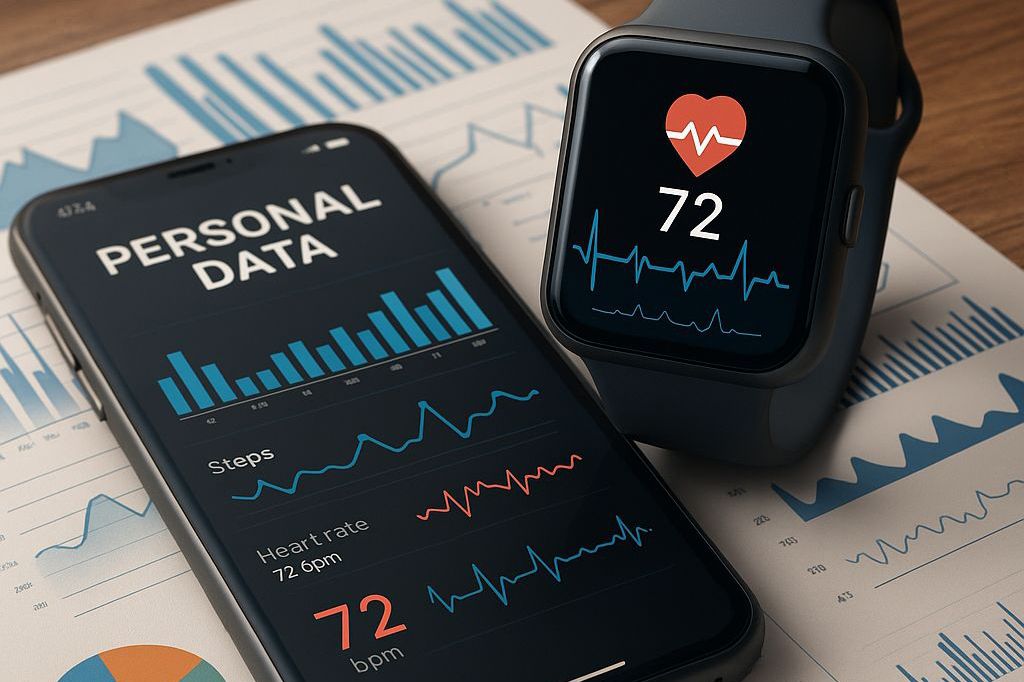
In a world increasingly dominated by smart devices, our personal data has become more valuable than ever. Wearable technology, such as fitness trackers and smartwatches, is at the forefront of this shift. These devices monitor our heart rate, track our sleep, log our locations, and even detect stress levels. While the convenience and insights they offer are undeniable, it raises the question: how much do our devices really know about us, and what is being done with that information?
From counting steps to monitoring vital signs, wearable tech has rapidly advanced. Initially seen as fitness companions, devices like Fitbits, Apple Watches, and Garmin trackers now function as real-time health monitors. They collect data 24/7, providing a continuous stream of biometric information. For example, many devices now measure blood oxygen levels, irregular heartbeat notifications, and even early illness detection through body temperature changes.
This depth of monitoring means that tech companies now have access to highly intimate data. While users often agree to data collection in user agreements, few understand the extent or implications of such consent. Health trends, routines, habits, and even emotional states can be inferred from the information gathered. This can be used to improve services, personalize recommendations, or—in more concerning cases—target advertising or sell anonymized datasets to third parties.
Privacy advocates warn that the line between helpful innovation and intrusive surveillance is getting thinner. The use of wearable tech in workplaces, insurance programs, and even schools has sparked debates about consent and data ownership. For example, should an employer be able to monitor employees’ heart rates to evaluate stress levels or productivity? What happens when insurance companies offer incentives for wearing trackers—are customers really making a choice, or being nudged by financial pressure?
Adding to this complexity is the growing ecosystem of interconnected health apps and devices. Wearable data is often synced with smartphones, cloud services, and third-party platforms. Each integration point presents a new opportunity for data exposure. As more users adopt wearables, the risk of data breaches or misuse increases unless companies invest seriously in security and transparency.
The situation calls for clear regulations and ethical standards. Some regions, like the EU with its GDPR, have made strides in protecting personal data. However, in many countries, laws are still catching up with technological realities. Until then, the responsibility largely falls on the user to read privacy policies, adjust settings, and choose brands with a strong reputation for data protection.
Understanding how wearable tech evolves is key to navigating these challenges. As discussed in this article, the rise of fitness trackers and smartwatches has transformed how we interact with our bodies and health data. As devices become more intelligent and essential to daily life, the importance of ethical data practices will only grow.
In conclusion, wearable devices offer powerful insights into our health and lifestyle, but they also carry risks that must be managed. As technology advances, a collective effort—from developers, lawmakers, and users—is necessary to ensure that personal data remains personal. -
⌚ The Rise of Wearable Tech: How Smartwatches and Fitness Trackers Are Evolving

A few years ago, wearable technology was seen as a trendy add-on — something fitness enthusiasts or early adopters used to count their steps or check their heart rate. Fast forward to 2025, and wearable tech has transformed into an essential part of daily life. From monitoring vital signs to managing productivity and even detecting early signs of illness, devices like smartwatches and fitness trackers are evolving at a remarkable pace.
Let’s take a closer look at how wearables have grown beyond step-counting and are reshaping our lives in the process.
📈 From Basic Trackers to Health Powerhouses
The early days of fitness trackers were all about movement — counting steps, calories, and maybe sleep patterns. But modern wearables have evolved into mini-health labs on your wrist. Today’s devices monitor heart rate variability (HRV), oxygen saturation (SpO2), body temperature, stress levels, and even electrocardiogram (ECG) data.
Advanced models like the Apple Watch Series 9 or Garmin Fenix 7 can now track irregular heart rhythms, detect falls, and notify emergency contacts automatically — features that can literally save lives.
🧠 AI and Predictive Health Insights
AI plays a massive role in the evolution of wearable tech. These devices now use machine learning algorithms to analyze large amounts of health data in real time. Instead of just showing you the numbers, wearables can predict trends, offer early warnings, and suggest personalized actions.
For example, if your wearable notices a consistent rise in resting heart rate, poor sleep, and increased stress signals, it may suggest taking a break or modifying your training routine before you burn out. Some even send alerts when signs of possible illness (like COVID-19 or flu) are detected — often before symptoms appear.
🔄 Integration with Ecosystems and Health Services
Another big step forward: integration with broader ecosystems. Your smartwatch now syncs with apps like Apple Health, Google Fit, or Samsung Health, offering a unified view of your wellness. But more impressively, it can now connect directly to healthcare providers, insurance platforms, and fitness coaches.
In some countries, wearable data is already being used in medical consultations, insurance pricing, or fitness programs. This opens up new possibilities — and questions — around data privacy and health equity.
💪 Beyond Fitness: Wearables in Mental Health
In 2025, wearable tech is also playing a growing role in mental health monitoring. Devices are now capable of tracking mood trends, detecting anxiety patterns, and analyzing breathing quality. Some smartwatches use biometric feedback to suggest breathing exercises or mindfulness activities during stressful moments.
Products like the Fitbit Sense or the Whoop Strap 4.0 are designed with mental wellness as a key feature, helping users understand how stress, sleep, and recovery are connected.
🕹️ Fashion Meets Functionality
Let’s face it — people want their gadgets to look good. Today’s wearables are no longer clunky or purely functional. Companies are blending style with tech. From sleek aluminum designs and customizable watch faces to leather straps and luxury editions, wearable tech is now a fashion statement as much as it is a utility.
Big brands like Apple, Samsung, Fitbit, Huawei, and even luxury watchmakers like TAG Heuer and Montblanc are part of this movement, merging elegance with cutting-edge technology.
🔋 Longer Battery Life & Sustainable Materials
One of the biggest complaints about earlier models was battery life. But in 2025, many devices offer multi-day usage, even with full-time health monitoring. Solar charging, ultra-low-power chips, and energy-saving displays are becoming more common.
Sustainability is also in focus. Companies are turning to recycled materials, vegan leather straps, and eco-friendly packaging to reduce their carbon footprint. For the environmentally conscious consumer, this is a welcome development.
🌍 Wearables Around the World
It’s not just in the West where wearable tech is booming. Countries like India, Brazil, Ireland, and Indonesia are seeing massive growth in wearable adoption. In some regions, low-cost smart bands provide vital health insights to people without access to traditional medical care.
Governments and NGOs are even using wearables in public health initiatives, like tracking outbreaks, monitoring chronic conditions, and improving access to care in rural areas.
🚀 What’s Next for Wearable Tech?
The future of wearables looks incredibly promising. Here’s what we can expect next:
• Non-invasive blood sugar monitoring for diabetics
• Smart rings and smart glasses with AI assistants
• Biometric payments using fingerprints or pulse patterns
• Personalized workout plans based on real-time biometric data
• Mental health forecasting with proactive support features
As AI gets smarter and sensors get more accurate, our devices won’t just monitor our health — they’ll help manage and protect it.
🧭 Final Thoughts: More Than a Trend
Wearable technology has truly come of age. What started as a step tracker has evolved into a full-fledged health assistant, fashion accessory, and productivity tool — all wrapped around your wrist. Whether you’re training for a marathon, managing a chronic condition, or just trying to live better, wearables now offer real value in everyday life.
As we step into the future, one thing’s clear: wearable tech isn’t just changing how we live — it’s helping us live smarter.
🔍 Tip: If you’re buying a new wearable, consider your goals first — whether it’s health, fitness, focus, or fashion — and choose a device that matches your lifestyle.

 Tinytunes.app