-
Tiny tunes app android
Tiny Tunes is a free music player and downloader app for Android devices. It allows you to search and download songs from the internet and create playlists to play your music. You can also stream music online and listen to radio stations. The app has a simple and easy-to-use interface, and it supports various audio formats such as MP3, WAV, and M4A. You can use Tiny Tunes to discover new music and artists, or to listen to your favorite songs on the go.
Where download tiny tunes app for android

You can download Tiny Tunes for Android from the Google Play Store. Here are the steps:
- Open the Google Play Store app on your Android device.
- In the search bar, type “Tiny Tunes” and press Enter.
- Select the app from the search results.
- Tap the “Install” button to begin the download process.
- Wait for the download and installation process to complete.
- Once the app is installed, you can launch it from the app drawer on your device.
- In your browser, download the TinyTunes .APK file here: TinyTunes 1.16.2 APK Download
Alternatively, you can also download the Tiny Tunes APK file from a third-party website and install it manually on your device. However, it’s important to be careful when downloading apps from external sources, as they may contain malware or other malicious software.
-
From the Wheel to Quantum Computing: How Technology Redefines Progress

Human history is, in many ways, the story of technological evolution. From the invention of the wheel to the rise of quantum computing, each leap has not only changed how we live but also reshaped how we think, interact, and understand the world. Progress has never been a straight line—it’s a series of transformational steps, often unpredictable, but undeniably powerful. Let’s journey through time and trace how these pivotal moments in technology have redefined civilization.
The Dawn of Invention: The Wheel and the Birth of Movement
The wheel, believed to have been invented around 3500 BCE, was more than just a means of transportation—it was a revolution in motion. It enabled the transportation of goods and people with unprecedented efficiency, catalyzing trade, agriculture, and ultimately the formation of cities. Before the wheel, human movement was slow and limited; after it, the world became broader and more connected.
This early innovation laid the foundation for a mindset of problem-solving that has carried through millennia.
The Printing Press: Knowledge Becomes a Force
In the mid-15th century, Johannes Gutenberg’s printing press fundamentally changed the nature of knowledge. For the first time, books could be mass-produced, and information was no longer confined to the elite. Ideas could spread across borders and generations, fueling the Renaissance, the Scientific Revolution, and eventually the Enlightenment.
The printing press turned literacy into a tool of empowerment. It marked a shift where human progress became closely tied to the accessibility of information.
Electricity: Powering the Modern World
The discovery and harnessing of electricity in the 18th and 19th centuries sparked the Industrial Revolution and marked the beginning of the modern era. From Thomas Edison’s electric bulb to Nikola Tesla’s alternating current, electricity brought factories to life, lit up homes, and enabled machines to do the work of many.
This era introduced the concept of mass production, urban infrastructure, and the technological workforce. Society began to move at a pace previously unimaginable.
The Internet: Shrinking the World
Perhaps no innovation has more radically transformed the human experience than the internet. Born out of military research in the late 20th century, the internet evolved into a global web of communication, commerce, and culture. Suddenly, information was not only accessible but instantaneous. Geographical boundaries dissolved in the face of digital connectivity.
The internet didn’t just change how we communicate; it changed how we live. Work, education, entertainment, and relationships all shifted into new dimensions, forming the basis of the digital society we inhabit today.
Artificial Intelligence: The Thinking Machine
Artificial Intelligence (AI) has moved from science fiction into daily life. From recommendation algorithms on streaming platforms to voice assistants and autonomous vehicles, AI is quietly but profoundly changing how we make decisions and interact with machines.
Unlike earlier technologies, AI doesn’t just follow instructions—it learns, adapts, and evolves. This has led to new ethical questions: What does it mean for machines to make choices? How do we ensure fairness, transparency, and accountability in automated systems?
AI represents a leap not just in capability, but in conceptualizing intelligence itself.
Quantum Computing: The New Frontier
While still in its early stages, quantum computing is poised to become the next monumental shift in technology. Traditional computers operate in binary—ones and zeroes—whereas quantum computers use qubits, which can exist in multiple states at once. This allows quantum machines to process complex calculations at speeds inconceivable by today’s standards.
If realized on a large scale, quantum computing could revolutionize everything from drug discovery and cryptography to climate modeling and materials science. It symbolizes the point at which our mastery of the microscopic leads to macro-scale transformation.
A Pattern of Progress: What History Teaches Us
Looking back, certain themes emerge. Each major technological advancement:
• Solves a fundamental problem (transport, information, energy, communication)
• Expands human potential
• Changes societal structures and expectations
• Raises new ethical and philosophical questions
The wheel made movement easier. The printing press democratized knowledge. Electricity powered economies. The internet connected minds. AI augments thought. Quantum computing promises a new dimension of discovery.
Yet, with each new tool comes responsibility. Every wave of progress demands that we not only adopt technology but understand it, govern it, and ensure it serves humanity’s broader goals.
Conclusion: The Road Ahead
From a simple wheel carved in stone to quantum particles spinning in multiple states, our trajectory as a species is deeply intertwined with the tools we create. Technology is not just about innovation—it’s about transformation. It changes who we are, what we value, and how we envision the future.
As we stand on the edge of tomorrow, it’s worth remembering that each breakthrough, no matter how small, can reshape the course of history. Progress is not inevitable—it is built, one idea at a time. -
Privacy vs. Progress: The Hidden Risks of the IoT Age

The Internet of Things (IoT) has become one of the most transformative technological movements of our time. From smart thermostats that adjust to your daily routine to city-wide sensor systems managing traffic and waste collection, IoT promises convenience, efficiency, and a smarter way of living. But as billions of devices become interconnected and data flows seamlessly between them, a critical question emerges: at what cost does this hyper-connectivity come?
In the rush to embrace innovation, many are overlooking a growing and deeply complex concern—privacy.
The Ubiquity of IoT in Everyday Life
IoT devices have infiltrated almost every aspect of our lives. Smartwatches monitor our heart rates and sleep cycles. Smart refrigerators track groceries and suggest recipes. Voice assistants record our questions, commands, and sometimes even background conversations. At the city level, smart grids optimize energy consumption while surveillance cameras track foot traffic and facial features.
To understand just how embedded these systems are in our routines, you might want to explore how IoT shapes daily life.
But with every new feature comes a potential new vulnerability.
Data Collection: The Hidden Transaction
Every interaction with an IoT device involves a silent exchange. You receive functionality; the provider receives data. And that data isn’t trivial. IoT devices collect:
✓ Location information
✓ Health metrics
✓ Behavior patterns
✓ Audio and video recordings
✓ Purchase history and usage trends
This information is often stored in cloud servers, shared with third parties, or analyzed by machine learning algorithms. While these practices may enhance user experience, they also build extensive profiles that could be misused if they fall into the wrong hands—or even when they stay in the “right” ones.
The most alarming part? Many consumers are unaware of just how much data they’re giving up.
Security Shortcomings and the Risk of Exploitation
Unlike smartphones or laptops, IoT devices are often produced by companies with minimal cybersecurity infrastructure. Budget models might skip encryption altogether. Many devices ship with default passwords users never change. Firmware updates—if they even exist—may not patch known vulnerabilities.
As a result, IoT ecosystems can become goldmines for hackers. In 2016, the Mirai botnet attack used compromised IoT devices to shut down major websites by flooding them with traffic. That was nearly a decade ago—and today, the attack surfaces are exponentially larger.
Even more concerning are potential personal-level threats:
• Baby monitors hacked to spy on families
• Smart locks manipulated to unlock doors remotely
• Medical devices altered to malfunction
The stakes are not just virtual—they can be dangerously physical.
The Illusion of Consent
Most IoT devices come with terms of service agreements so long and technical that few people read them. Within those texts, companies often retain rights to collect, store, and even sell your data. Clicking “I Agree” becomes less a conscious choice and more a prerequisite for using the product.
In some jurisdictions, laws like the GDPR (General Data Protection Regulation) offer some consumer protections. But enforcement is inconsistent, and many devices originate from countries with minimal regulation.
Worse yet, some devices collect data even when they’re turned off—or at least appear to be. The line between voluntary data sharing and ambient surveillance grows increasingly blurry.
Corporate and Government Surveillance
IoT doesn’t just benefit individual users—it empowers corporations and governments as well. Retailers use smart cameras to track customer movements in-store. Cities deploy traffic sensors and facial recognition to monitor residents. Insurance companies offer lower premiums in exchange for tracking devices in homes and cars.
While some of these applications bring real benefits—reduced congestion, energy savings, better public safety—they also normalize the constant observation of human behavior. Surveillance becomes invisible, and with that invisibility comes a loss of autonomy.
The concern isn’t that these technologies exist, but that their use lacks oversight. Who watches the watchers? Who owns the data? And can you ever truly opt out?
Towards a Responsible Future
The answer is not to abandon IoT altogether. The technology holds incredible potential for efficiency, sustainability, and comfort. But it must be implemented with ethical foresight and robust safeguards.
Here are key steps toward responsible use:
1. Transparency – Companies must clearly explain what data is collected and how it’s used.
2. User Control – Consumers should have the ability to opt in or out of data sharing.
3. Security by Design – Devices should be built with end-to-end encryption and regular update mechanisms.
4. Policy Enforcement – Governments need to create and enforce regulations that protect user privacy.
5. Digital Literacy – Public education around data rights and IoT technology is essential.
Conclusion
We live in an era where every object—from your watch to your streetlight—can talk, listen, and remember. The Internet of Things has unlocked a new frontier of possibility, but it has also ushered in a silent surveillance culture. To navigate this era responsibly, both developers and users must prioritize privacy as much as progress.
Because in a world where everything is connected, protecting our data means protecting ourselves. -
The Internet of Things (IoT) in Everyday Life: From Smart Homes to Smart Cities

The Internet of Things (IoT) has evolved from a futuristic concept into a practical reality that touches our lives every day. By 2025, IoT devices are seamlessly integrated into homes, workplaces, and urban infrastructure, offering unprecedented convenience, efficiency, and data-driven decision-making. In this article, we’ll explore how IoT enhances everyday living—starting with smart homes, extending to workplaces, and culminating in fully connected smart cities.
1. Smart Homes: Convenience, Comfort, and Connectivity
1.1 Smart Thermostats and Climate Control
Gone are the days of manually adjusting a wall thermostat. Modern smart thermostats learn our routines and preferences automatically. By analyzing occupancy patterns, outdoor weather data, and energy-use history, devices like the Nest Thermostat or Ecobee adjust heating and cooling in real-time. This level of automation not only ensures optimal comfort but can reduce energy bills by up to 20% annually.
1.2 Voice-Activated Assistants and Home Automation
Thanks to voice recognition and natural language processing, virtual assistants such as Amazon Alexa, Google Assistant, and Apple Siri control nearly every aspect of a smart home. Want to dim the living-room lights, lock the front door, and preheat the oven at once? A simple voice command or a tap in a smartphone app makes it happen. Over time, these systems learn household routines and suggest proactive actions—such as running the robotic vacuum when the home is empty or turning off standby electronics at night.
1.3 Connected Security and Surveillance
Security cameras, doorbell cameras, and window sensors now stream encrypted video feeds and alerts directly to smartphones. Whether parents want to check on children after school, pet owners need to monitor a pet sitter, or homeowners wish to detect unusual activity, IoT security devices deliver instant notifications. Some advanced systems use artificial intelligence to distinguish between human movement, pets, and vehicles, reducing false alarms.
1.4 Smart Appliances and Kitchen Connectivity
From refrigerators that create shopping lists based on expiration dates to ovens that sync with recipe apps and adjust cooking times automatically, smart kitchen appliances have changed mealtimes. Connected coffee machines ensure your morning brew is ready the moment you wake up, while intelligent dishwashers optimize water usage according to load size. IoT integration means kitchen chores become less about monitoring and more about enjoying the results.2. IoT at Work: Productivity and Efficiency
2.1 Office Automation and Energy Management
In modern offices, IoT sensors monitor lighting, temperature, and occupancy to conserve energy. For instance, motion detectors switch off lights in unused rooms, while smart blinds adjust automatically to reduce glare and improve employee comfort. Energy management platforms connected to thousands of sensors can predict peak demand periods and regulate HVAC systems accordingly, trimming utility costs and carbon footprints.
2.2 Asset Tracking and Inventory Management
Warehouses and manufacturing plants use IoT tags and RFID sensors to track inventory in real-time. Automated alerts notify managers when stock levels fall below a threshold or when assets move outside designated areas. This level of visibility reduces errors, theft, and production delays. In retail environments, smart shelves detect when products run low, triggering instant restocking notifications.
2.3 Health and Safety Monitoring
In sectors like construction, manufacturing, and healthcare, IoT wearables monitor vital signs, location, and environmental hazards. For example, connected hard hats measure workers’ exposure to noise, temperature, and air quality. If a gas leak or excessive heat is detected, supervisors receive immediate alerts, allowing rapid response to potential emergencies. In hospitals, IoT-enabled patient monitors track heart rates, oxygen levels, and movement, sending real-time data to nurses’ stations for proactive care.
3. Connected Mobility: Transportation and Logistics
3.1 Smart Traffic Management
Urban traffic congestion can cost cities billions in lost productivity and fuel. IoT-based traffic sensors, cameras, and connected streetlights collect data on vehicle flow, pedestrian movement, and public transportation usage. Advanced traffic management systems analyze this data and adjust signal timing dynamically, reducing delays and average commute times. Real-time updates sent to drivers’ smartphones allow rerouting around accidents or high-traffic zones.
3.2 Fleet Tracking and Logistics Optimization
Logistics companies use IoT-equipped vehicles to monitor location, fuel consumption, and driver behavior. Fleet managers can optimize delivery routes based on traffic conditions, weather, and road closures, cutting operational costs and improving customer satisfaction. Cold-chain shipments—such as pharmaceuticals and perishable foods—rely on temperature sensors to ensure product integrity during transit.
3.3 Connected Public Transportation
Smart buses and trains communicate with city-wide IoT networks to share location and real-time passenger data. Transit apps integrate this information to display accurate arrival times, occupancy levels, and alternative route suggestions. Some cities employ contactless fare collection using NFC-enabled cards or smartphones, simplifying boarding and reducing queue times.
4. Building Smart Cities: Sustainable and Data-Driven Urban Living
4.1 Infrastructure Monitoring and Environmental Sensing
Smart city projects deploy IoT sensors throughout urban infrastructures—bridges, roads, water systems, and power grids—to monitor structural health and environmental conditions. Sensors detect early signs of wear or damage, allowing preventative maintenance before catastrophic failures occur. Air quality sensors measure pollution levels, triggering public advisories or activating green zones to improve respiratory health.
4.2 Smart Lighting and Energy Efficiency
Connected streetlights equipped with motion sensors deliver light precisely when and where it’s needed. When pedestrian activity is low, these lights dim to conserve energy, then brighten again upon detecting movement. Aggregated data helps municipalities gauge electricity usage patterns and invest in renewable energy systems, lowering both costs and carbon footprints.
4.3 Public Safety and Emergency Response
IoT-connected cameras, emergency call buttons, and gunshot detection sensors help law enforcement and first responders react faster to incidents. In some cities, sensor networks automatically dispatch ambulances or fire trucks to exact coordinates—shaving precious minutes off response times. Data from multiple sensors can also anticipate high-risk areas for crime or traffic accidents, allowing preventative measures.
4.4 Waste Management and Smart Utilities
Wireless waste bins send fill-level data to municipal waste management centers. Trucks receive optimized collection routes, reducing fuel consumption and noise. Smart water meters detect leaks in real time, alerting utility providers and homeowners to potential issues. By automating billing and usage monitoring, cities encourage conservation and streamline resource allocation.
5. Challenges and Future Trends
5.1 Security and Privacy Concerns
As IoT devices proliferate, they become attractive targets for hackers. Weak default passwords, unencrypted data transmission, and fragmented device ecosystems can lead to unauthorized access and data breaches. To counter this, manufacturers are implementing end-to-end encryption, secure authentication protocols, and over-the-air firmware updates to patch vulnerabilities promptly.
5.2 Interoperability and Standardization
A major hurdle for IoT adoption is the lack of universal standards. Devices from different manufacturers often use proprietary communication protocols, making integration cumbersome. Industry alliances such as the Open Connectivity Foundation (OCF) and projects like Matter aim to establish common frameworks, enabling seamless interoperability across ecosystems.
5.3 Edge Computing and Low-Latency Processing
As IoT applications demand rapid data analysis—especially for autonomous vehicles, AR/VR, and industrial automation—cloud computing alone cannot suffice. Edge computing brings processing closer to sensors, reducing latency and bandwidth usage. By analyzing critical data on local gateways or micro data centers, systems can react in milliseconds to real-time events.
5.4 Artificial Intelligence Integration
Machine learning and AI are essential to extracting actionable insights from massive IoT data streams. From predictive maintenance—to forecast equipment failure—to intelligent energy grids that adapt supply and demand dynamically—AI makes IoT smarter. As AI algorithms become more efficient, devices will handle greater analytics workloads locally, driving a new era of distributed intelligence.
Conclusion
By 2025, the Internet of Things is no longer a niche concept reserved for tech enthusiasts. It’s woven into our daily lives—from smart homes that anticipate our comfort needs to connected workplaces that streamline operations, and finally to smart city infrastructures that improve public safety, energy efficiency, and urban living standards. As security, interoperability, and AI integration continue to advance, the IoT’s potential will expand even further—promising a future where every device, streetlight, and building works in concert to make our lives safer, more efficient, and more sustainable. -
The AR/VR Revolution: How 5G Is Powering a New Era of Immersive Technology
Augmented Reality (AR) and Virtual Reality (VR) have long promised to transport users into new worlds—whether overlaying digital graphics on real-life surroundings or plunging into entirely simulated environments. Until recently, however, bulky headsets, limited bandwidth, and noticeable latency has kept AR/VR experiences niche. In 2025, the advent of widespread 5G connectivity is dismantling these barriers, enabling truly seamless, high-fidelity immersive technology on mobile devices and standalone headsets.
From Limited Demos to Everyday Immersion
Before 5G, most AR/VR experiences depended on tethered connections to powerful PCs or required on-premises Wi-Fi. This approach restricted mobility and introduced lag, making extended use uncomfortable or impractical. Games and applications looked impressive in showrooms, but real-world adoption remained minimal.
With 5G’s ultra-low latency (often below 10 milliseconds) and multi-gigabit speeds, it’s now possible to stream high-resolution 3D graphics directly to lightweight headsets or even smartphones. This shift means:
• Unbroken Interaction: Head movements, hand gestures, or eye tracking translate instantly into the virtual world without perceptible delay.
• Thin, Lightweight Headsets: By offloading the most intensive processing to edge servers, AR/VR headsets no longer need bulky GPUs. Designs now prioritize comfort and style, resembling regular sunglasses or baseball caps.
• Anywhere Accessibility: Users can enjoy AR navigation, remote collaboration, or VR entertainment in cafés, parks, or commuter trains—no home Wi-Fi required.
If you’d like to explore in depth how 5G is reshaping mobile experiences across industries, check out our detailed article on the impact of 5G on mobile devices and connectivity.
Key Devices Leading the Charge
Several manufacturers are already leveraging 5G to redefine how AR/VR is consumed:
1. Lightweight AR Glasses: Companies like HoloSight and ClearFrame offer glasses that project contextual data onto the real world. Imagine walking down a city street, and your AR glasses highlight nearby restaurants with real-time ratings, or overlay walking directions onto the sidewalk. Built-in 5G modems allow these glasses to access cloud-based maps and AI models on the fly, reducing onboard computation and battery drain.
2. Standalone VR Headsets: The latest WaveVR Pro and VisionSphere headsets pack only minimal onboard hardware, relying on edge-computing servers to render VR scenes in real time. Users put on a sleek, untethered headset and can instantly join multiplayer simulations—be it a fitness class, a virtual conference, or a fully immersive AAA game.
3. Mobile AR/VR Dongles: For existing smartphones and tablets, peripheral dongles such as the GigaXR Clip-On or the NovaAR Module transform devices into capable AR/VR platforms. By connecting via the device’s USB-C port and tapping into 5G’s bandwidth, these attachments allow high-quality 3D graphics and multi-user interactions without draining the phone’s GPU.
Transforming Industries Beyond Gaming
While gaming and entertainment often grab the headlines, enterprise applications may see the most transformative impact:
• Remote Collaboration: Architects and engineers can share virtual 3D models and walkthroughs, manipulating designs together in real time. A team in New York can annotate a virtual building model alongside colleagues in Tokyo—all within a shared VR space that feels as natural as an in-person meeting.
• Healthcare and Education: Medical students use AR headsets to practice surgeries on realistic 3D cadavers, with live guidance from instructors thousands of miles away. In schools, VR field trips transport students into historical reenactments, rainforest ecosystems, or inside the human bloodstream—experiences impossible in a traditional classroom.
• Retail and E-commerce: Shoppers slip on AR glasses to see how furniture fits in their living rooms or how clothing drapes on their bodies, without leaving home. Retailers then tap into cloud-based analytics (powered by 5G) to offer personalized suggestions and instant checkout, streamlining the shopping experience.
Overcoming Technical Challenges
The marriage of 5G and AR/VR isn’t without hurdles:
1. Edge Infrastructure Deployment: True low-latency performance demands edge data centers located near users. Telecom providers have been racing to build these mini-centers in urban hubs, but coverage can still be spotty in rural areas.
2. Battery Life and Heat Management: Even lightweight headsets need power. While offloading heavy rendering to the cloud reduces onboard heat, designers must balance battery capacity, weight, and comfort. Recent advances in solid-state battery technology and more efficient microprocessors are helping extend usage times.
3. Content Ecosystem Maturity: Developers must optimize applications for dynamic streaming. Rather than shipping large game files or 3D models, creators now use modular asset delivery, streaming only necessary textures or geometry to minimize bandwidth demands. Tools like StreamShader and CloudXR facilitate this, but building an entire content pipeline remains complex.
The Role of 5G-Enabled AI
Another critical pillar of this revolution is AI integration. By combining 5G’s high throughput with edge-hosted AI, devices can perform:
• Real-Time Scene Understanding: AI-powered computer vision algorithms identify objects and people in a user’s environment, enabling more realistic AR overlays. For example, an AR headset can recognize furniture, automatically annotating which pieces are on sale at nearby stores.
• Adaptive Compression and Streaming: AI models dynamically adjust video codecs, reducing bitrate when network congestion is detected, or boosting resolution when bandwidth is plentiful. This ensures a consistently smooth VR or AR experience, even as network conditions fluctuate.
• Natural Language Processing (NLP): Voice commands and conversational AI make virtual assistants more intuitive. Users can simply speak, “Show me the nearest electric vehicle charger,” and see directions appear overlaid on the real world.
Looking Ahead: Widespread Adoption by 2026
Industry analysts predict that by 2026, over 350 million AR/VR headsets and glasses—many 5G-enabled—will be in use globally. As 5G networks mature and device costs decline, immersive technology will shift from early adopters to mainstream consumers. Key trends to watch:
• Hybrid AR/VR Use Cases: Mixed Reality (MR) experiences that blend real and virtual worlds seamlessly, allowing users to switch between modes on the fly. For instance, a mechanic wearing MR glasses can view repair manuals overlaid onto a vehicle engine, then instantly switch to a full VR simulation to test the repair virtually.
• Social VR Communities: Platforms such as MetaFusion and HorizonVerse will evolve into virtual social hubs where users host events, concerts, or co-watch movies together—enabled by 5G’s ability to handle thousands of simultaneous streams with minimal lag.
• Location-Based AR/VR Hotspots: Retailers and entertainment venues will install 5G-powered AR stations—imagine stepping into a café where an AR mural dances to your favorite playlist, or a public park offering VR nature tours to help visitors explore remote wilderness areas without leaving the city.
Conclusion
The convergence of 5G and AR/VR marks a pivotal moment in technology—transforming once-static demos into dynamic, real-time experiences that fit in your pocket or on your head. As 5G networks expand and device manufacturers continue innovating, we can expect immersive technology to become as commonplace as smartphones. From revolutionizing workflows in healthcare and manufacturing to redefining social entertainment, the AR/VR revolution is powered by 5G—and 2025 is just the beginning of this exciting journey. -
🌍 The Impact of 5G Technology on Mobile Devices and Connectivity
The arrival of 5G technology has sparked one of the most significant technological shifts in the past decade. It’s not just another step in mobile evolution—it’s a complete transformation of how we connect, communicate, and consume data. With blazing speeds, ultra-low latency, and the ability to support massive device networks, 5G is revolutionizing mobile technology and global connectivity.
Let’s explore how 5G is impacting mobile devices, reshaping industries, and changing our everyday digital experience.
📱 What is 5G, and Why Is It Different?
5G stands for the fifth generation of wireless networks, following 4G LTE. But it’s not just faster—it’s smarter and more capable. With download speeds of up to 10 Gbps, latency as low as 1 millisecond, and the capacity to connect over a million devices per square kilometer, 5G is enabling things that were previously impossible.
It operates across three bands (low, mid, high), each with different characteristics—balancing range and speed to provide consistent, stable connectivity.
🚀 Speed & Performance: A New Standard
5G mobile devices are up to 100 times faster than their 4G counterparts. This means:
• Streaming 4K or even 8K video becomes instant and buffer-free
• Large file downloads happen in seconds, not minutes
• Cloud gaming and VR experiences run smoothly and lag-free
• Real-time video calls are more stable with crystal-clear quality
Whether you’re a gamer, professional, or just browsing social media, 5G makes everything faster, more responsive, and smoother.
📶 Connectivity Like Never Before
One of 5G’s greatest promises is massive connectivity. It can handle exponentially more devices—perfect for the explosion of smartphones, tablets, wearables, and IoT gadgets.
In smart cities, for example, 5G enables real-time data exchange between:
✓ Traffic systems
✓ Public transportation
✓ Security cameras
✓ Connected vehicles
✓ Smart streetlights and sensors
This leads to smarter infrastructure, reduced congestion, and better public services.
🧠 Edge Computing & Real-Time Data
5G unlocks the true potential of edge computing—processing data closer to the user or device instead of relying on distant cloud servers. This reduces latency and enables real-time responses critical for:
– Autonomous driving
– Remote surgeries
– Industrial robotics
– Augmented and Virtual Reality (AR/VR)
Imagine a surgeon in New York operating on a patient in Dublin, or a drone responding instantly to emergency alerts—5G makes these scenarios real and safe.
💼 Business Transformation
Industries are already transforming with 5G:
✓ Healthcare: Remote diagnostics, wearable health monitors, and telemedicine
✓ Retail: Enhanced in-store experiences, smart inventory systems
✓ Manufacturing: Automated machinery with zero-lag coordination
✓ Education: Immersive learning using AR/VR tools powered by high-speed networks
For businesses, 5G means agility, innovation, and a competitive edge.
🔋 Impact on Mobile Devices
To fully leverage 5G, mobile devices are evolving too:
• New chipsets and modems designed to manage ultra-fast connections
• Improved batteries to handle increased data demands
• Advanced cooling systems for high-performance usage
• Integration of AI processors for managing data and optimizing signal quality
Manufacturers like Samsung, Apple, and Google are investing heavily in 5G-ready smartphones, ensuring users get the best performance without compromise.
🧭 Challenges and Considerations
Despite its potential, 5G still faces hurdles:
• Coverage gaps, especially in rural areas
• Expensive infrastructure development
• Privacy and security concerns with high-speed data transfer
• The need for upgrading millions of devices
Governments and telecom providers must work together to ensure equal access, security, and regulation of this rapidly expanding technology.
🔮 What’s Next?
The 5G revolution is just beginning. Over the next few years, we’ll see:
✓ Wider global rollout of stable, high-speed networks
✓ 6G research and early testing beginning as early as 2030
✓ Deeper AI integration into mobile and IoT networks
✓ Increased investment in smart infrastructure and autonomous systems
The full impact of 5G is hard to imagine now—but one thing is certain: it will continue to reshape our world in ways we’re only starting to understand.
✅ Final Thoughts
5G isn’t just an upgrade—it’s a digital leap forward. From lightning-fast mobile devices to intelligent cities and remote innovations, 5G is pushing boundaries across industries and personal tech. For individuals, it means speed, convenience, and richer experiences. For society, it means connectivity, efficiency, and transformation.
As we continue to embrace this new era, one thing is clear: with 5G, the future is faster, smarter, and more connected than ever before.
-
💼 Top 7 Must-Have Gadgets for Remote Workers This Year
Remote work is no longer a temporary solution — it’s the new normal. Whether you’re a digital nomad, a freelancer, or someone balancing Zoom meetings from the kitchen table, having the right tools can make a world of difference. Beyond a laptop and Wi-Fi, certain gadgets can help boost productivity, reduce stress, and create a professional setup at home or on the go.Here’s a look at the top 7 must-have gadgets every remote worker should consider in 2025.
🖥️ 1. Portable Monitor
Tired of juggling windows or feeling limited by one screen? A portable monitor is your new best friend. Lightweight and USB-powered, these displays give you that second screen you need for multitasking — whether it’s replying to emails while attending a webinar or comparing spreadsheets during a Zoom call.
Top picks: ASUS ZenScreen, LG Gram +View, and Arzopa 15.6”.
🎧 2. Noise-Canceling Headphones
Working from home (or a busy café) often means dealing with barking dogs, doorbells, or street noise. A quality pair of noise-canceling headphones not only helps you concentrate but also ensures crystal-clear sound during meetings.
Popular choices include the Sony WH-1000XM5, Bose 700, and Apple AirPods Max.
⌨️ 3. Ergonomic Keyboard and Mouse
Sore wrists and tired fingers? Time to upgrade your input tools. An ergonomic keyboard and mouse combo can reduce strain, improve typing speed, and make long workdays more comfortable.
Look into options like Logitech MX Keys, Microsoft Sculpt Ergonomic, or the split Keychron Q8.
🔌 4. USB-C Docking Station
Remote workers often rely on laptops — but ports are usually limited. A USB-C docking station transforms your laptop into a full workstation, connecting you to extra monitors, chargers, Ethernet, and even SD cards in seconds.
Anker, CalDigit, and Belkin all offer excellent hubs for MacBooks and Windows devices alike.
🌐 5. Mobile Wi-Fi Hotspot
When your home connection fails or you’re working in remote locations, a mobile hotspot is a lifesaver. These devices ensure reliable internet access, especially during travel.
Some of the most reliable are Skyroam Solis Lite, Netgear Nighthawk M6, and Inseego 5G MiFi.
💡 6. LED Desk Light with Adjustable Color
Lighting affects not just how we look on video calls — it also impacts mood and focus. A smart LED desk lamp with adjustable brightness and color temperature can reduce eye strain and create the perfect ambiance.BenQ’s e-Reading lamp, Philips Hue Go, or Xiaomi’s smart lamps are great picks.
🪑 7. Portable Laptop Stand
Working with your laptop flat on a desk is a fast track to neck pain. A portable laptop stand lifts your screen to eye level and improves posture. Many are foldable and adjustable, making them perfect for travel or small desks.Top-rated models include the Roost Stand, MOFT, and Nexstand K2.
🚀 Final Thoughts: Invest in Your Workflow
Remote work isn’t just a trend — it’s a lifestyle shift. Investing in the right tech tools can significantly enhance your comfort, productivity, and focus. These seven gadgets aren’t gimmicks — they’re real upgrades that make your workday smoother, smarter, and more sustainable.
So whether you’re dialing in from a sunny Airbnb in Lisbon or your living room in Dublin, build your workspace wisely — your future self will thank you.
🔧 Pro Tip: Choose gear that’s compact, lightweight, and multi-functional — especially if you’re always on the move.
-
📱 How AI is Changing the Way We Use Smartphones in 2025
In recent years, artificial intelligence (AI) has become more than just a buzzword — it has revolutionized the way we interact with technology. In 2025, AI is no longer working silently in the background. It’s now the brain behind the smartphone in your pocket, reshaping how we communicate, capture memories, work, and even entertain ourselves.
Let’s explore how AI is transforming the smartphone experience today and what it means for users going forward.
🔊 1. Smarter Voice Assistants
AI-powered voice assistants have grown far beyond setting alarms and checking the weather. Assistants like Google Assistant, Siri, and Bixby now understand context, tone, and even intent. Thanks to natural language processing (NLP), smartphones can now handle more complex queries, manage multi-step tasks, and integrate seamlessly with smart home ecosystems.
Want to book a table for two at your favorite Italian place? Your phone not only finds the spot but books it, adds it to your calendar, and suggests what time to leave — all in one interaction.
📸 2. Intelligent Photography and Video
Smartphone cameras today are powered by AI engines that can recognize scenes, optimize lighting, adjust exposure, remove background noise, and even clean up blurry shots — instantly. In 2025, AI goes further: it can swap backgrounds, generate missing image parts, or stylize a photo to match a particular aesthetic using generative models like diffusion or GANs.
Video calls are now sharper and smarter too, with real-time background blur, face tracking, and even AI-generated avatars for privacy.
📂 3. Personalized User Experience
Gone are the days of one-size-fits-all smartphone interfaces. AI now tailors your experience based on your habits, schedule, and preferences. Your phone suggests apps you need at the right time, dims the screen automatically at bedtime, and even reorganizes your home screen based on what you use most.
This hyper-personalization helps users save time, reduce distractions, and boost productivity.
🔐 4. Security Reinvented
AI has made smartphones far more secure. Biometric authentication like face recognition or fingerprint scanning has become faster and more accurate thanks to AI-enhanced models that adapt to lighting, angles, and aging. AI also plays a big role in fraud detection and threat prevention — spotting suspicious app behavior, phishing attempts, or system vulnerabilities in real-time.As we store more personal and financial data on our phones, this AI-driven security is crucial.
🧠 5. On-Device AI: Fast, Private, and Efficient
One of the biggest shifts in 2025 is the move toward on-device AI. Previously, most AI features depended on cloud processing, meaning slower results and potential privacy concerns. Today, smartphones are equipped with powerful Neural Processing Units (NPUs) that allow AI tasks to run locally — making them faster and more secure.This means real-time translation, offline voice commands, instant photo editing, and personalized recommendations without sending your data to the cloud.
🎮 6. AI-Powered Gaming and Entertainment
AI is also shaking up how we play and relax. Smartphone games now use AI to create dynamic storylines that adapt to your choices, voice-controlled characters, and smart difficulty adjustment based on your skill level. Streaming services recommend content based not just on what you watch — but how you react to it, using micro-interactions and even emotional recognition (if you opt in).
🚀 Final Thoughts: The Smart in Smartphones
As AI continues to evolve, so does our relationship with our devices. Smartphones are no longer just tools — they’re intuitive companions that learn from us, adapt to us, and sometimes even anticipate our needs.
Of course, this progress also brings new questions about privacy, data ethics, and digital dependency. But one thing is clear: in 2025, AI is not just enhancing our smartphones — it’s redefining what they are capable of.
👀 Tip for readers: Always keep your device updated to enjoy the latest AI features, and review app permissions regularly to maintain control over your personal data.
-
How to Streamline Your Office Relocation Process
“How to Streamline Your Office Relocation Process” is a topic that demands careful planning, organization, and clear communication to ensure minimal disruption to daily operations. Office relocation can be a challenging project, yet with a strategic approach, it can be executed smoothly and efficiently.
Begin by establishing a detailed project plan that outlines every step of the move. Identify key tasks and assign responsibilities to team members who will serve as point people for various aspects of the relocation. Creating a timeline with milestones for equipment disassembly, packing, transportation, and reinstallation is essential. This plan should also incorporate backup options for unexpected delays or issues, ensuring that the project stays on track.
Communication is a critical element throughout the entire process. Inform employees about the relocation schedule, procedures, and expectations well in advance. Regular updates, whether through meetings or digital communications, help to maintain transparency and reduce anxiety among staff. It is also useful to set up a dedicated communication channel, such as a shared document or messaging group, where questions can be answered quickly and changes can be relayed immediately.
Inventory management is another vital step in streamlining an office move. Conduct a comprehensive audit of all office assets including furniture, technology, and supplies. Create detailed lists that categorize items by department or usage. This inventory will not only assist in the physical move but will also be crucial for planning the layout of the new space. Consider labeling items clearly, using a numbering system that corresponds with the new office floor plan. This approach simplifies the setup process and helps ensure that each item is placed in its correct location upon arrival.
For technology and specialized equipment, extra care is required. Consult with IT specialists to schedule disconnections, backups, and reconnections to minimize downtime. Create a checklist for these items, including any necessary software installations or network configurations that need to be recreated at the new location. In many cases, it may be beneficial to move such equipment during off-peak hours to further reduce disruption to operations.
Efficient packing methods play a significant role in an office move. Organize packing sessions well ahead of the moving day. Use appropriate packing materials to safeguard sensitive equipment and documents. Arrange for professional movers who are experienced in handling office relocations. Their expertise can prove invaluable, particularly when it comes to maneuvering heavy furniture and fragile items. Professional teams often bring specialized equipment such as dollies and padded blankets, which add an extra layer of protection.
Another aspect to consider is the design and layout of the new office space. Work with a designer or use input from employees to plan a functional layout that meets the needs of each department. Mapping out where equipment, workstations, and communal areas will be placed beforehand helps to accelerate the installation process once the move is complete. This preparation minimizes downtime and helps employees settle into their new environment quickly.
Scheduling is crucial. Aim to conduct the move during a period that causes the least disruption to business operations. This might involve weekend moves or planning during a traditionally slower season. A well-timed move provides the benefit of having a buffer period for resolving any unforeseen issues without affecting customer service or daily work routines.
Post-move, allocate time for a thorough review of the process. Encourage feedback from employees about what worked well and what could be improved for future relocations. This reflection phase is instrumental in refining your moving strategy and can help your business remain agile in adapting to changes.
By integrating detailed planning, clear communication, efficient inventory management, and professional assistance, office relocations can become a streamlined process. Each step builds upon the previous one, culminating in a smooth transition that allows your business to resume its activities with minimal interruption.
-
TOP 5 Mistakes in Business Travel Management and How to Avoid Them with Digital Tools
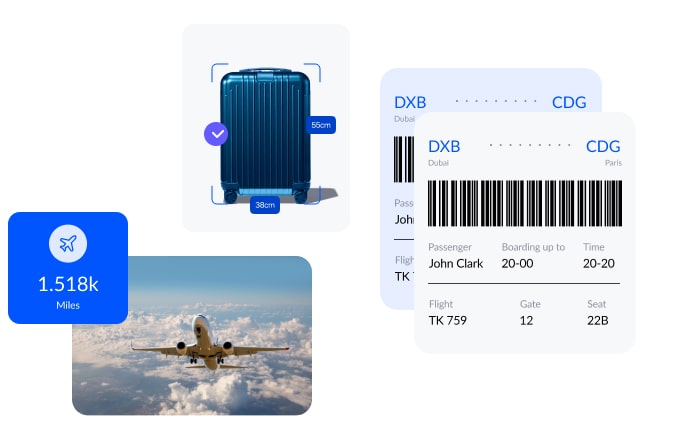
Organizing business trips can be a complex and time-consuming process. Many companies face common pitfalls that lead to budget overruns, employee dissatisfaction, and inefficiencies. Below, we explore the top five mistakes in corporate travel management and how to avoid them using modern digital tools, including business travel management software and smart booking solutions for business flight tickets.
1. Poor Budget Planning
The Mistake:
Companies often fail to set clear spending limits, leading employees to book expensive flights and hotels, exceeding travel budgets.
The Solution:
Use a business travel management platform that:
- Automatically calculates trip budgets.
- Compares prices for business flight tickets and accommodations.
- Alerts when spending exceeds predefined limits.
Recommended Tools: Tumodo, TravelPerk, SAP Concur, SberTravel
2. Manual Approval Processes
The Mistake:
Relying on emails or paper-based approvals slows down the process, causing delays in bookings.
The Solution:
Automate approvals with:
- Online request forms with workflow routing.
- Integration with corporate messengers (Microsoft Teams, Slack).
- E-signature tools for instant authorization.
Recommended Tools: TripActions, Expensify, Rydoo
3. Suboptimal Flight & Hotel Choices
The Mistake:
Booking the first available option without comparing alternatives leads to unnecessary expenses.
The Solution:
Use AI-powered tools to find the best deals:
- Skyscanner, Kayak – Compare business flight tickets.
- Booking.com for Business – Corporate hotel rates.
- TripActions, Egencia – Smart recommendations based on travel history.
4. Inefficient Expense Reporting
The Mistake:
Lost receipts, manual Excel entries, and delayed reimbursements create financial chaos.
The Solution:
Digital expense management tools help by:
- Scanning receipts via mobile apps.
- Syncing with corporate credit cards.
- Generating automated reports.
Recommended Tools: Expensify, Zoho Expense, Pleo
5. Ignoring Employee Safety
The Mistake:
Failing to track employee locations, especially during emergencies.
The Solution:
Safety features in business travel management software:
- Real-time location tracking.
- Flight delay/cancellation alerts.
- 24/7 emergency support.
Recommended Tools: Tumodo, Riskline, Sitata, TravelPerk
By leveraging travel management platforms and digital booking tools, companies can reduce costs, improve efficiency, and enhance traveler safety. Automate approvals, optimize business, and streamline expense reporting to make corporate travel seamless.
-
Обменник Bitcoin: как выбрать надежный сервис?
Вопрос надежности стоит на первом месте, когда речь идет о финансах, особенно в сфере криптовалют. Bitcoin-обменники предлагают удобный способ покупки и продажи криптовалюты, предоставляя широкий спектр услуг, быстрый обмен и, зачастую, конкурентоспособные комиссии. Однако в этой сфере действует множество мошеннических сайтов, поэтому выбор надежного сервиса критически важен. Перед совершением любых транзакций необходимо тщательно изучить безопасность и легитимность платформы.
Онлайн-платформы для обмена Bitcoin:
Онлайн-сервисы для покупки, продажи и вывода Bitcoin предоставляют пользователям удобный способ конвертировать BTC в фиатные валюты (доллары, евро, рубли и т.д.), выводить средства на банковскую карту или обменивать на другие цифровые валюты, не выходя из дома. Процесс обмена обычно происходит следующим образом: клиент подает заявку на конвертацию, заполняет необходимые поля (сумма, реквизиты кошелька или карты), после чего система генерирует адрес для перевода Bitcoin. После подтверждения транзакции в сети Bitcoin, клиент получает запрошенные средства в выбранной валюте. Транзакции могут быть отменены в случае технических сбоев или ошибок.
Рост популярности криптовалюты привел к резкому увеличению числа обменных операций. К сожалению, это также способствовало росту мошеннической активности. Злоумышленники создают поддельные сайты-однодневки, имитирующие интерфейс известных обменников, с целью кражи средств пользователей. Для защиты от подобных угроз критически важно проводить все операции с цифровой валютой только на легитимных и надежных платформах, рекомендованных авторитетными источниками. Кроме того, использование надежных паролей, двухфакторной аутентификации и дополнительных мер безопасности поможет защитить ваши активы.
Ключевые параметры выбора безопасного обменника:
- Наличие нескольких способов связи. Надежная платформа должна предоставлять различные каналы связи с службой поддержки: номер телефона, онлайн-чат, адрес электронной почты, формы обратной связи и т.д. Перед использованием сервиса свяжитесь с поддержкой, задайте несколько вопросов и оцените скорость и качество ответов. Например, UmaPay.online предоставляет контактный адрес электронной почты, аккаунт в Telegram и онлайн-чат на сайте.
- Проверка доменного имени. Обратите внимание на доменное имя обменника. Мошенники часто регистрируют домены, похожие на адреса популярных сервисов, с целью ввести пользователей в заблуждение. Дважды проверьте адрес сайта, убедитесь, что вы находитесь на правильном ресурсе. UmaPay.online имеет уникальное доменное имя и не пытается имитировать другие сервисы.
- Режим работы и скорость обработки заявок. Надежный обменник должен работать круглосуточно и обеспечивать быструю обработку заявок. UmaPay.online работает 24/7 и, как правило, обрабатывает большинство заявок в течение 15 минут.
- Наличие SSL-сертификата. SSL-сертификат шифрует соединение между вашим браузером и сайтом, защищая ваши данные от перехвата. Наличие SSL-сертификата обозначается префиксом “HTTPS” в адресной строке и значком замка. UmaPay.online имеет SSL-сертификат, что подтверждает безопасность соединения.
- Отзывы и репутация. Перед использованием любого обменника, изучите отзывы других пользователей. Проверьте репутацию сервиса на специализированных форумах, в социальных сетях и на сайтах-отзовиках.
Выбор надежного обменника Bitcoin – это залог безопасности ваших средств. Будьте бдительны и не пренебрегайте мерами предосторожности.

 Tinytunes.app