-
Tiny tunes app android
Tiny Tunes is a free music player and downloader app for Android devices. It allows you to search and download songs from the internet and create playlists to play your music. You can also stream music online and listen to radio stations. The app has a simple and easy-to-use interface, and it supports various audio formats such as MP3, WAV, and M4A. You can use Tiny Tunes to discover new music and artists, or to listen to your favorite songs on the go.
Where download tiny tunes app for android

You can download Tiny Tunes for Android from the Google Play Store. Here are the steps:
- Open the Google Play Store app on your Android device.
- In the search bar, type “Tiny Tunes” and press Enter.
- Select the app from the search results.
- Tap the “Install” button to begin the download process.
- Wait for the download and installation process to complete.
- Once the app is installed, you can launch it from the app drawer on your device.
- In your browser, download the TinyTunes .APK file here: TinyTunes 1.16.2 APK Download
Alternatively, you can also download the Tiny Tunes APK file from a third-party website and install it manually on your device. However, it’s important to be careful when downloading apps from external sources, as they may contain malware or other malicious software.
-
🌱 Creating Your Personalized Study Routine for Every Season

Let’s face it — life doesn’t stay the same year-round, so why should your study routine? 🎯 Whether you’re a student, a self-learner, or someone juggling courses with work and family, adapting your schedule to match the rhythm of the seasons can help you stay motivated, productive, and mentally balanced.
In this guide, we’ll explore how to build a personalized study plan that evolves with the year — and how tools like AI and smart habits can make the process way easier. Let’s dive in! 🏊♂️
🌸 Spring — The Season of Momentum
Spring is all about fresh starts and renewed energy. The longer days and blooming nature can naturally lift your mood and get you motivated to learn.
📌 Study Tips for Spring:
• Set new academic or personal learning goals.
• Try out new learning methods (e.g., mind mapping, audio notes).
• Take advantage of the daylight: study near windows or outdoors! 🌞
• Spring-clean your study space — decluttering your desk = decluttering your mind.
Pro Tip: Spring is a great time to experiment with new productivity apps or planners to build good habits that’ll carry you through the year.
☀️ Summer — Light Learning with a Side of Sunshine
Summer is tricky. You want to relax, but you also don’t want to forget everything you’ve learned. The trick is finding a balance that doesn’t lead to burnout. 😵💫
🎯 Goals for Summer:
• Focus on maintenance — keep your mind active without going full-throttle.
• Prioritize creative or passion-based learning (writing, coding, photography).
• Use bite-sized study sessions: 20–30 minutes is plenty!
👉 Check out our list of smart strategies to stay sharp without burning out here: https://tinytunes.app/2025/06/18/summer-study-hacks-staying-sharp-without-burning-out/ 💡
🌴 Remember, it’s okay to slow down. Use summer to recharge, reflect, and get inspired.
🍁 Autumn — Focus, Structure & Strategy
Back-to-school energy hits hard in the fall. 🍂 It’s the perfect time to lock in routines and set ambitious goals for the months ahead.
✅ Autumn Strategy Checklist:
• Create a fixed weekly study schedule.
• Review what you learned over the summer.
• Use digital calendars or apps to track deadlines and to-dos.
• Build up your “deep focus” muscle with longer, uninterrupted study sessions.
This is also a great time to explore tech tools that make learning smarter — especially ones that use artificial intelligence. Curious about how AI can personalize your study flow? We’ve broken it down here: https://tinytunes.app/2025/06/16/ai-powered-study-schedules-balancing-learning-and-life/ 🤖
❄️ Winter — Reflection and Deep Learning
Winter calls for a slower pace, but that doesn’t mean giving up on progress. In fact, it’s the perfect season for deeper learning and reflection.
🧠 Winter Wisdom:
• Choose a focused project or area to dive into.
• Reflect on what you’ve learned in the past year.
• Create a “study nest” — cozy, distraction-free, and full of warm drinks ☕
• Plan for the spring: set goals, evaluate your growth, and make adjustments.
And don’t forget — winter is ideal for rest, too. Recharge your mental battery so you can burst into spring stronger than ever!
🔁 Bonus: The Yearly Study Cycle
Instead of sticking to the same rigid schedule all year long, try thinking of your study habits as a cycle that flows with the seasons. Here’s a simple breakdown:
🌷 Spring — Your main focus is motivation and goal-setting. It’s a fresh and exciting time to start something new or restart with better energy.
🏖️ Summer — This is all about balance and light learning. The mood is relaxed, so focus on maintenance, creativity, and enjoying the process.
🍂 Autumn — A season for structure and deep focus. You’re driven and ready to take on serious projects, form habits, and stay consistent.
❄️ Winter — Perfect for reflection and deep learning. The mood is calm, giving you space to absorb information, revise, and plan ahead.
By syncing your study rhythm with the energy of each season, you’ll reduce burnout and stay aligned with your natural flow.
📚 Final Thoughts
Studying doesn’t have to feel like a grind. When you adapt your routine to the seasons, you turn learning into a lifestyle — not a chore. Use the bright energy of spring, the chill vibes of summer, the structure of autumn, and the calm depth of winter to guide you.
And whenever the schedule gets messy or your motivation dips, don’t be afraid to ask for help or take a break. There are always tools and people out there who can support you — sometimes all you have to do is say:
write an essay for me. -
Summer Study Hacks: Staying Sharp Without Burning Out ✨

The summer break is finally here! After a long academic year filled with homework, exams, and early mornings, it’s tempting to throw your books in the closet and forget they ever existed. And honestly? You deserve a break!
But what if you could enjoy your vacation and keep your brain active—without stress or burnout? Sounds perfect, right? Let’s dive into some summer study hacks that will help you stay sharp, focused, and maybe even a little inspired.
🌈 Mix Study with Play
Who said studying has to be boring or exhausting? The key to summer learning is to make it light, flexible, and fun. Try the following:
• Language Learning Apps: Duolingo, Memrise, or Babbel can turn 10 minutes a day into a productive language habit.
• Educational Games: Play trivia apps or logic puzzles to keep your brain in shape while having fun.
• Watch & Learn: Watch documentaries or educational YouTube channels like CrashCourse or Kurzgesagt on topics that interest you.
📅 Create a Flexible Study Routine
Forget strict schedules. During summer, a relaxed routine works better. Pick one or two days a week to study for just 30-60 minutes. Morning is best if you want to avoid distractions.
Keep it casual: sit outside with your notes, sip a smoothie, or listen to ambient music. The goal is consistency, not intensity.
📊 Set Small, Fun Goals
You don’t need to conquer a whole textbook. Instead, choose small, manageable goals like:
• Reading one book that interests you
• Learning five new vocabulary words each day
• Watching one educational video per week
• Practicing mental math with a mobile app
These micro-goals are easier to stick with and give you a sense of progress without pressure.
🌄 Take Your Learning Outdoors
Change your environment and your brain will thank you. Study in the park, by the pool, or even at a cafe. Sunlight and fresh air can improve focus and mood.
Take flashcards with you or listen to podcasts while walking. Movement + learning = double win!
🚀 Try a Mini Passion Project
Summer is a great time to explore something new:
• Start a blog about something you love
• Build a tiny website or app
• Write a short story or begin journaling
• Learn photography, design, or coding basics
Projects like these can teach you valuable skills without feeling like homework.
🧳 Stay Social While Learning
Learning with friends makes it more enjoyable:
• Join a summer book club
• Study together via Zoom
• Share what you learn on social media or group chats
You’ll stay motivated and maybe even discover new interests from others.
☕ Keep It Balanced
Don’t forget: summer is for rest and recharge. Make time for hobbies, relaxation, and sleep. Balance your brain workouts with downtime. It’s okay to have days where you do absolutely nothing—that’s part of staying mentally healthy too.
Final Thoughts 🌼
Staying mentally active over the summer doesn’t mean giving up your freedom. With a bit of creativity and flexibility, you can keep your mind engaged *and* enjoy your break to the fullest. These simple, low-pressure study hacks will keep your academic spark alive and make the transition back to school smoother when fall comes.
So go ahead—read, explore, learn a little, rest a lot. Your brain (and future self) will thank you! -
🧠 AI-Powered Study Schedules: Balancing Learning and Life

Finding the right balance between studying and everyday life is something many students struggle with — whether you’re in school, at university, or juggling learning alongside a full-time job. 🤹♀️ That’s where artificial intelligence steps in, not just to make learning smarter, but also to make your *schedule* smarter.
🎯 Why Traditional Study Schedules Fail
Most of us have tried creating study plans using calendars or to-do lists. They might work for a week or two… until life gets in the way. Sickness, mood, unexpected errands — and suddenly the whole schedule collapses. 📅❌
Traditional planning doesn’t account for:
• Your energy levels throughout the day
• Your preferred learning pace
• Subjects you struggle with more than others
• Mental breaks or realistic downtime
That’s where AI can help you rethink how you organize your time. 🧩
🤖 What Makes AI-Powered Schedules Different?
AI tools don’t just divide your time evenly — they analyze your behavior. Some smart learning platforms can:
• Track how long you focus before losing attention
• Recommend the best time for deep work vs. lighter review
• Suggest breaks based on cognitive load
• Adjust your calendar dynamically if you miss a session
This adaptive nature means the schedule evolves with you, not against you. It can even learn what type of learner you are — visual, auditory, or kinesthetic — and adjust tasks accordingly. 🎨🎧👐
🕰️ Microlearning Meets AI
One big benefit of AI-based study schedules is the use of microlearning — breaking down information into short, digestible chunks.
Instead of assigning 2 hours of chemistry in one go, the AI might give you:
• 20 minutes of flashcard revision
• 10 minutes break
• 15-minute video lesson
• 5-minute summary quiz
It feels lighter, more fun, and much easier to keep up with. 🎓✨
📱 Top Tools to Try
There are now several AI-powered platforms designed for students, freelancers, and lifelong learners. Many of them also integrate with your devices, so you get reminders on your phone or desktop. A few notable examples:
• Notion AI — for building smart, interactive study databases
• Taskade — helps you organize and prioritize tasks using smart AI agents
• StudyWithMe.ai — uses focus-timer data to adjust your study flow
• RemNote — combines spaced repetition with knowledge structuring
Each tool can be customized to match your personality, study goals, and even mood. 😌
🧘♂️ Keeping Your Life in the Equation
One of the biggest wins with AI-powered schedules? They don’t assume you’re a machine.
If you’re tired or overloaded, AI systems can:
• Reschedule tasks automatically
• Prioritize what really needs to be done
• Delay non-urgent items for another day
• Suggest self-care time or walks 🌿🚶♂️
This helps reduce guilt, pressure, and burnout — which often kill motivation altogether.
🔄 Feedback Loops: The More You Use It, the Smarter It Gets
AI tools are not one-size-fits-all. But the more you interact with them, the more helpful they become.
Over time, the system will learn:
• What time you learn best
• When you’re most focused
• Which subjects need more review
• When you’re most likely to skip tasks 😅
This kind of smart feedback loop creates a self-improving learning path — something traditional paper planners just can’t offer.
📝 Final Thoughts
AI-powered study planning isn’t about replacing human decision-making — it’s about giving your brain space to focus on what *matters*. By trusting smart systems to help manage your time, you open up room for deeper thinking, better balance, and more joyful learning. 💡❤️
Let AI be your assistant — not your boss — and let your schedule reflect you. -
How AI is Making Education More Personalized Than Ever 🎓🤖

In the fast-paced world of 2025, artificial intelligence is not just a buzzword — it’s a real tool that’s reshaping how we learn. From high school students to adult learners, people around the globe are discovering that AI can adapt to their personal learning style, speed, and interests. Education is no longer one-size-fits-all — it’s becoming deeply personalized, and AI is at the center of this revolution.
Let’s explore how this shift is happening and what it means for the future of learning.
Learning at Your Own Pace 🐢⚡
One of the biggest challenges in traditional education is keeping everyone on the same schedule. Some students breeze through algebra, while others struggle with the basics. With AI-based tools, everyone can now learn at their own pace.
For example, if you’re having trouble solving math problems, there are AI systems that can walk you through the process — step by step, and with tailored explanations. Whether you’re a beginner or diving into advanced equations, AI can adapt to your level and provide targeted help.
You can read more about this here:
👉 https://tinytunes.app/2025/06/15/how-ai-can-help-you-solve-math-problems-from-basics-to-advanced/
These tools not only give the correct answer but also explain why it’s correct — making the learning process much deeper and more effective.
Supporting Language Learning 🌍💬
Another major way AI is enhancing personalization is through language learning and translation. For learners who are bilingual or studying a new language, AI-powered tools can provide instant feedback, adjust difficulty levels, and even correct pronunciation.
AI chatbots now allow users to practice conversations in foreign languages, giving them real-time corrections and suggestions. Translation tools also go beyond literal meanings — they understand context, tone, and culture, which makes a huge difference when studying languages in depth.
Check out this post to learn more:
👉 https://tinytunes.app/2025/06/15/ai-in-content-translation-and-language-learning-smarter-ways-to-go-multilingual/
Thanks to AI, even learning a tough language like Japanese or German can become engaging and interactive!
Real-Time Feedback and Smart Recommendations 📊✨
Another great feature of AI-powered learning is instant feedback. Instead of waiting for a teacher to review your assignment, AI tools can evaluate your response immediately. They don’t just mark it “right” or “wrong” — they suggest improvements, offer additional practice, and highlight weak areas.
This allows learners to fix their mistakes in the moment, which leads to faster progress and better retention. Even more impressive: some platforms recommend what you should study next based on your recent activity, helping you build a strong foundation step by step.
Tailored to Your Interests 🧠❤️
We all learn better when we’re interested in the topic. AI platforms can now adjust content based on what you enjoy. Are you a visual learner? Expect more infographics and videos. Do you prefer text-based lessons? The AI will deliver that instead.
Over time, AI observes your behavior and patterns — the topics you spend more time on, your quiz results, and even the type of explanations you respond best to — and uses that data to build a personalized learning experience.
The Future: Human + AI Learning Teams 🤝🚀
It’s important to remember that AI doesn’t replace human teachers — it complements them. The most effective learning environments in 2025 combine the emotional intelligence of a teacher with the data-driven insights of AI.
Imagine a classroom where the teacher understands your emotions, and the AI knows exactly what you’re struggling with — together, they can offer support that’s both smart and empathetic.
Final Thoughts 💭
AI is transforming education from a rigid, one-size-fits-all system into something flexible, adaptive, and deeply personal. Whether you’re solving equations, learning a language, or exploring a new topic — AI meets you where you are and helps you grow.
It’s an exciting time for learners everywhere. If you haven’t yet explored what AI can do for your studies — now’s the perfect time to start.
Need help choosing the right AI tools? Or maybe you have a favorite app already? Let us know in the comments! 💬👇 -
🧠 How AI Can Help You Solve Math Problems – From Basics to Advanced!
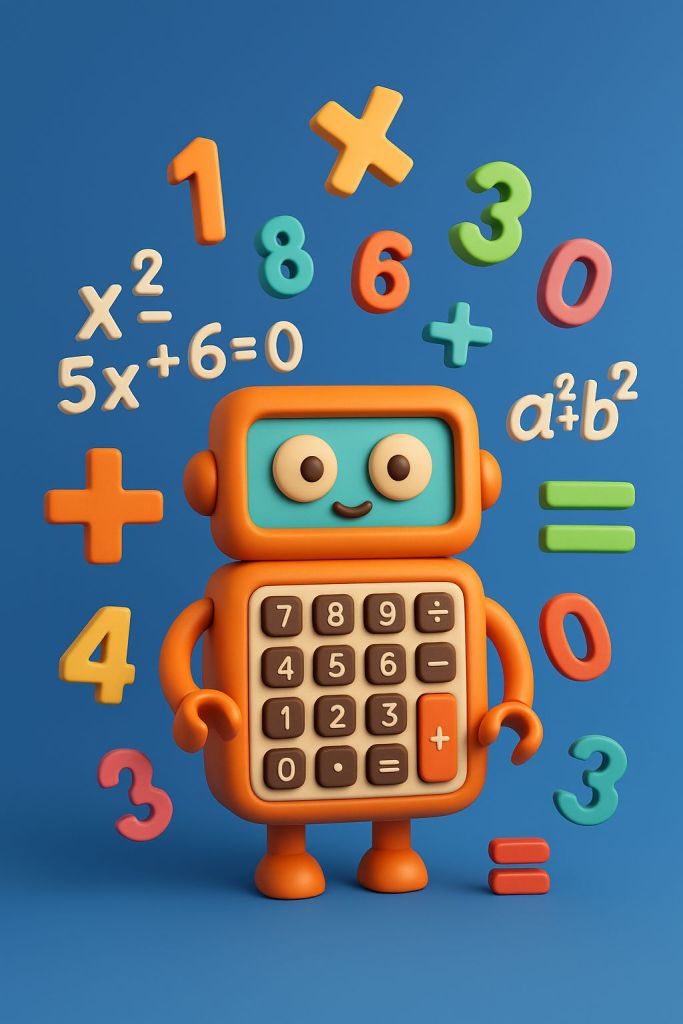
Math isn’t everyone’s cup of tea. Whether you’re a high school student struggling with algebra or a data science enthusiast wrestling with linear regression, math can sometimes feel overwhelming. But here’s the good news: artificial intelligence is changing the way we approach and understand mathematics. 🚀
In this article, we’ll explore how AI, especially tools like ChatGPT, can help break down mathematical concepts, guide you through solutions, and even boost your learning in ways that feel personal and intuitive.📚 Step-by-Step Problem Solving
One of the most powerful ways AI can help with math is by walking you through the solution process step by step. Instead of just giving you the final answer (like a calculator), ChatGPT can explain *why* each step is taken.
Let’s say you’re solving a quadratic equation:
x² – 5x + 6 = 0
ChatGPT can break it down like this:
1. Identify coefficients: a = 1, b = -5, c = 6
2. Use the quadratic formula: x = (-b ± √(b² – 4ac)) / 2a
3. Plug in the values and simplify step by step
4. Final answer with full explanation
This method isn’t just about finding the result — it’s about building understanding.
🔍 Clarifying Concepts in Real Time
Sometimes, math textbooks throw definitions and theorems at you without enough examples. AI can provide clear, real-time explanations tailored to your level. Don’t understand what a derivative is? Ask ChatGPT, and it might explain it like this:
> “A derivative tells you how fast something is changing. Imagine driving a car: the derivative of your position is your speed.”
Using analogies, simplified language, or even diagrams (with the help of external tools), AI helps make abstract ideas concrete.
🤖 AI as a Virtual Math Tutor
Have you ever wished for a tutor who’s available 24/7 and doesn’t judge your mistakes? AI fits the bill. You can:
• Ask the same question in different ways
• Request multiple explanations for a concept
• Practice similar problems repeatedly
The experience feels like personalized tutoring, especially when you combine ChatGPT with math-based tools like WolframAlpha or Symbolab for more technical calculations.
🧩 Supporting Diverse Topics
AI isn’t limited to basic math. It can assist across a wide range of areas, including:
• Arithmetic & Algebra
• Geometry & Trigonometry
• Calculus & Linear Algebra
• Statistics & Probability
• Discrete Math & Number Theory
For each of these, you can input problems, ask for theory explanations, or explore real-world applications. Whether you’re prepping for exams or writing a research paper, AI can be a powerful study companion.
🧠 Boosting Problem-Solving Skills
What makes AI tools like ChatGPT especially valuable is their ability to build your problem-solving mindset. Instead of just giving answers, they can:
• Offer hints when you’re stuck
• Ask guiding questions
• Recommend resources for further study
This helps you develop critical thinking — a key skill not just in math but in life.
🎓 Ideal for Students, Teachers & Professionals
• Students benefit by getting help with homework and exam prep
• Teachers can use AI to generate practice problems and answer keys
• Professionals in data, finance, and engineering use AI to test models or solve equations on the go
Whether you’re calculating probabilities in Excel or analyzing complex formulas, AI can make the process smoother and more efficient.
💡 Final Thoughts
Artificial intelligence is not replacing math education — it’s enhancing it. Tools like ChatGPT make learning math more accessible, personalized, and, dare we say, fun? 😊
Next time you’re stuck on a problem or curious about a concept, try asking an AI assistant. You might be surprised how clear math can become with a little help from technology. -
🌍 AI in Content Translation and Language Learning: Smarter Ways to Go Multilingual
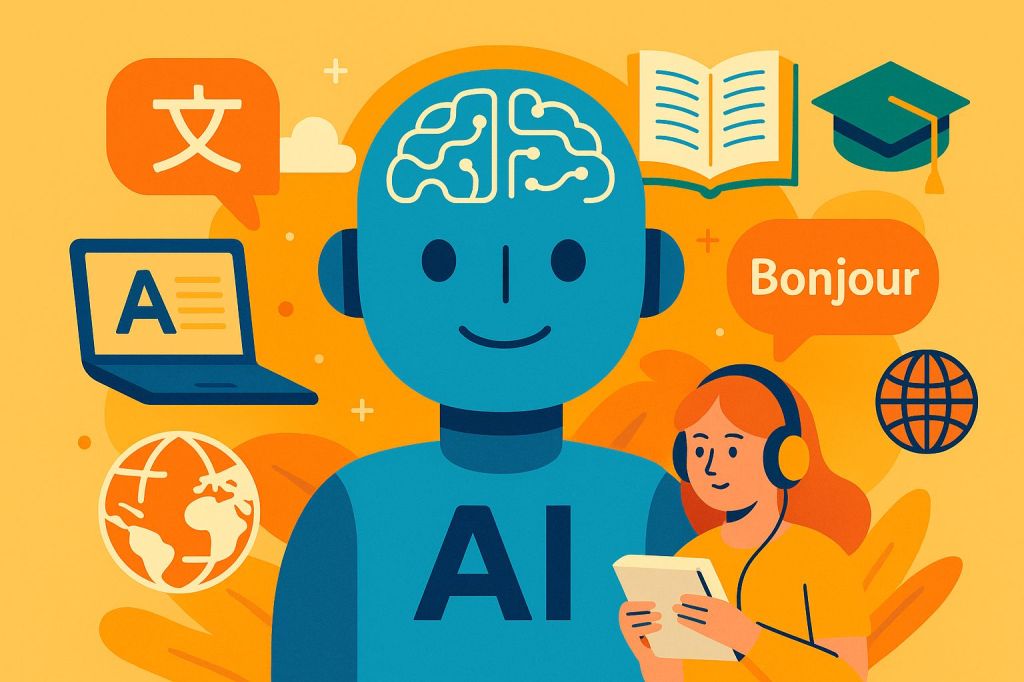
In a world where global communication is more essential than ever, speaking just one language often isn’t enough. Whether you’re a blogger trying to reach an international audience, a student learning a second language, or a business owner expanding to new markets — language matters. And here’s the good news: artificial intelligence (AI) is transforming how we translate content and learn languages.
Let’s dive into how AI is helping people go multilingual faster, easier, and smarter than ever before 🚀
🧠 The Rise of AI-Powered Translation
Not long ago, machine translation meant awkward, robotic sentences that barely made sense. But thanks to AI, especially natural language processing (NLP), tools like Google Translate, DeepL, and ChatGPT have become impressively accurate and context-aware.
These modern translators can:
• Understand idioms and slang 🌐
• Detect the tone of a sentence (formal vs casual)
• Keep consistent terminology across large documents
• Offer suggestions in real time as you type
Imagine writing an article in English and instantly translating it into fluent Spanish, French, or Japanese — all while preserving your tone and message. That’s the power of AI.
✍️ AI in Content Creation for Multilingual Blogs
If you run a blog or website, offering multilingual versions of your content can boost your audience dramatically. But hiring translators for every post can be expensive and time-consuming. This is where AI saves the day.
Here’s how content creators are using AI for translation:
• Writing articles in one language and translating them instantly with DeepL or ChatGPT
• Using plugins like Weglot or TranslatePress on WordPress for seamless multilingual support
• Asking AI to localize content, not just translate — adapting humor, cultural references, and idioms for different audiences 🌏
Pro tip: You can even ask ChatGPT to adjust tone depending on the target audience, like making it more casual for Gen Z or more formal for professionals.
🗣️ AI for Language Learning: A Smart Study Buddy
Language learning used to mean flipping through textbooks or memorizing flashcards. AI has completely changed the game. Now, your language teacher can be in your pocket — literally.
Popular AI tools for learning languages include:
• Duolingo: Uses AI to personalize lessons and keep learners motivated with gamified rewards 🎯
• Memrise: Offers native speaker videos and real-time AI feedback
• ChatGPT: Can roleplay as a conversation partner in your target language, correct your grammar, and explain vocabulary in context 🧑🏫
You can ask ChatGPT:
> “Pretend you’re a French waiter. Help me practice ordering at a restaurant.”
Or:
> “Explain the difference between ‘ser’ and ‘estar’ in Spanish with examples.”
Suddenly, language learning becomes interactive, fun, and tailored to your pace.
📚 Benefits of Using AI in Language Learning
Using AI isn’t just convenient — it offers real, measurable benefits:
✅ Personalized learning – AI adapts to your strengths and weaknesses
✅ Instant feedback – Know right away if you’re making a mistake
✅ Cultural context – AI can explain why certain phrases are used
✅ Practice anytime, anywhere – No need to wait for a class or tutor
✅ Speech recognition – Apps can listen to your pronunciation and help improve it 🎧
Plus, learners often feel more confident practicing with AI than with real people — no judgment, no pressure.
💡 Real-Life Use Cases
Still wondering how people use AI to go multilingual? Here are a few examples:
• Content creators: Translate YouTube captions and blog posts to attract global views
• Students: Get help understanding foreign-language textbooks
• Travelers: Use AI translation apps to navigate, read menus, or ask for help abroad 🗺️
• Entrepreneurs: Localize websites and product descriptions for new markets
• Job seekers: Practice interview questions in another language
🚧 What to Watch Out For
AI is powerful, but it’s not perfect.
⚠️ Contextual mistakes: Sometimes translations miss subtle meanings
⚠️ Cultural nuances: Jokes or metaphors might not translate well
⚠️ Over-reliance: You still need to think and learn — AI is a tool, not a shortcut
Always review AI-generated translations before publishing or using them in formal settings.
🤖 Final Thoughts
Artificial intelligence is no longer the future — it’s your everyday assistant. Whether you’re a beginner trying to learn German or a pro blogger aiming to expand into Asia, AI can help you overcome language barriers and connect with the world.
The key? Learn to use it wisely.
So next time you think of hiring a translator or buying yet another grammar book… try talking to your favorite AI instead. It might just surprise you 😉
Have you used AI to translate or learn a language? Share your experience in the comments below! 🌟 -
🎨🔧 Blending Creativity and Efficiency: The Art of Using AI for Mixed Tasks

Let’s be honest — most of us juggle different types of tasks every day. One hour you’re writing a product description, the next you’re brainstorming a blog idea or preparing content for social media. The problem? Switching between structured, logical tasks and open-ended, creative ones can be mentally exhausting.
But what if AI could help with both? 🤔
Not just with writing or number crunching, but with bridging the gap between creativity and productivity. Let’s explore how AI can become your ultimate hybrid assistant — adapting to your energy, mindset, and goals throughout the day.
☕ Morning: Ease Into the Day with AI Planning
Mornings are perfect for light productivity. You’re still waking up, maybe sipping that first coffee. Why not let AI warm up with you?
• Generate a to-do list based on your calendar 🗓
• Write a quick email reply or meeting summary
• Brainstorm topics for the day ahead (like blog titles or content hooks)
The beauty here? AI isn’t overbearing — it simply helps you shift into focus mode, so your brain doesn’t have to jumpstart all alone.
⚙️ Midday: Time for Precision and Structure
By now, your brain’s fully online (hopefully 😄), and it’s the perfect time for efficient, structured work. Here’s where AI shines in optimization:
• Writing SEO-friendly product descriptions or articles
• Generating outlines for landing pages or service blurbs
• Research summaries or comparing data snippets
This is the kind of work where AI can save hours, especially if you’re a freelancer, content creator, or digital marketer.
👉 Curious how AI can make SEO content writing easier and faster?
Check out our post: The Lazy Marketer’s Guide to Weekend SEO with AI
🌈 Afternoon: Let the Creativity Flow
After lunch, your brain might crave something more playful or expressive. And yes — AI can adapt to your creative mood, too.
Try this:
• Ask AI to help brainstorm lyrics, story plots, or character names
• Generate social media captions that match a fun tone
• Use it as a creative partner in writing fiction, essays, or even poems!
AI doesn’t replace your ideas — it helps unlock the ones hiding in your head.
👉 Feeling creatively blocked?
You might enjoy this read: Lost in Thought? Let an AI Co-Writer Help You Out!
🔄 The Magic is in the Switch
The real power of using AI for mixed tasks isn’t just in speed — it’s in the flexibility. You can move between:
• ✍️ left-brain logic → 🧠 right-brain imagination
• 🗂 bulk processing → 🎭 expressive creation
• 📋 admin duties → 🎨 wild ideas
…all with the same tool.
That’s why it’s not just about having an AI — it’s about learning to dance with it across your day.
🧩 Bonus: Build Your Own AI Workflow
To make the most of your mixed-task AI flow, try creating these simple routines:
1. Morning Brief — prompt your AI to ask: “What are 3 things I can help you accomplish today?”
2. Task-Type Switcher — have separate prompt templates: one for logic (e.g., “Summarize this”), one for creativity (e.g., “Imagine a story where…”).
3. Daily Wind-Down — use AI to reflect: “What went well today? What could be improved?”
These mini rituals help AI become part of your personal productivity system — not just a random tool.
💡 Final Thought: You Don’t Need to Choose Between Smart and Creative
That’s the real secret. AI doesn’t force you to pick between being a doer or a dreamer. It supports both sides of your brain, often within the same hour.
So next time you sit down to work and feel torn between writing, planning, organizing, or creating — remember: your AI assistant is already ready to help you shift gears. 🚀
And if you’re not sure where to start? Just ask. Sometimes, a good prompt is all you need. -
🧠 Lost in Thought? Let an AI Co-Writer Help You Out!

We’ve all been there.
The coffee’s hot ☕, the cursor is blinking 🔲, and your brain? Completely blank. Whether you’re a blogger, songwriter, copywriter, or just trying to write a creative Instagram caption — the inspiration ghosts you.
Enter your new best friend: AI.
No judgment, no eye rolls. Just smart, friendly support when your creativity takes an unexpected nap. 😴
✍️ When Creativity Hides, AI Slides In
It’s not that you don’t have ideas. It’s that your ideas feel… flat. Or stuck. Or too jumbled to make sense.
That’s where an AI co-writer comes in — not to replace you, but to nudge your brain back into motion.
Think of AI like:
• A creative buddy with *infinite patience* 🧘
• A brainstorming partner who never runs out of suggestions
• A second set of eyes that doesn’t judge your first draft
💡 Real Ways AI Can Help When You’re Stuck
Let’s get practical. Here’s how AI can support your creative process — even if you feel like your brain’s turned to mashed potatoes.
1. Generating Fresh Ideas
Just type something like:
> “Give me 10 blog post ideas about eco-living and minimalism.”
> “Suggest unique story plots for a short film about loneliness in the future.”
🎯 Bonus tip: Ask for unusual angles or twists to make it spicier.
2. Writing the First Sentence (Hardest Part!)
The blank page is brutal.
Instead, ask AI:
> “Can you write a catchy intro for a post about remote work burnout?”
Even if you tweak it later, it breaks the silence.
3. Rewriting Awkward Phrases
Feel like your writing is clunky? Copy/paste a paragraph and ask:
> “Make this sound more conversational but still professional.”
> “Rewrite this to be more playful.”
Suddenly, it flows. 🌀
4. Filling in Gaps
Got a half-written piece that fizzles out midway? Let AI complete a section based on your outline. For example:
> “Expand this bullet point into a full paragraph with an example.”
Boom. Done.
🎵 Bonus for Creatives: AI for Songs, Poems, and More
AI doesn’t just help with blog posts.
Try prompts like:
> “Write a fun 4-line chorus for a song about summer rain.”
> “Create a rhyming poem about city life and anxiety.”
> “Suggest metaphors for the feeling of homesickness.”
🎤 Whether you keep the result or use it as a springboard, it gives you momentum.
🧠 “But Isn’t It Cheating?”
Nope. Not even close.
Using AI to support your creativity is like using a paintbrush. You’re still the artist — you decide the strokes, the colors, the message.
AI doesn’t replace you. It extends you.
And sometimes, that’s all you need to get unstuck.
☀️ Weekend Writing Ritual with AI
Try this light and easy workflow the next time your creative brain goes quiet:
1. Set a timer for 30 minutes
2. Open your favorite AI tool (ChatGPT, Jasper, Notion AI, etc.)
3. Ask it a few warm-up prompts
4. Let it generate some options
5. Pick your favorite, tweak it, expand it
6. Sip coffee, admire your progress ☕✨
No pressure. No “perfect.” Just tiny wins that lead to big breakthroughs.
🧰 Tools Worth Exploring
• ChatGPT – General brainstorming, rewriting, summarizing
• Sudowrite – Tailored for fiction & storytelling
• Rytr – Budget-friendly copywriting AI
• Notion AI – Built into your workspace
• Wordtune – Polishing awkward sentences like a charm
Most of them offer free versions or trials — perfect for weekend experiments.
🚀 Final Thought: Let AI Start It, You Finish It
Writer’s block feels personal. But it’s not your fault. Creativity isn’t a faucet — it’s a weird little cloud that drifts in and out. 🫧
Let AI be the gust of wind that brings it back.
So next time you’re staring at a blank doc, try asking for help. Not from a human. But from a friendly AI, who’s always caffeinated, always ready, and never out of ideas. 💡
And who knows? That one little AI-generated spark could turn into your next big thing. -
💤 The Lazy Marketer’s Guide to Weekend SEO with AI

Let’s be honest.
It’s the weekend, your coffee is hot, your to-do list is somewhere under a pile of laundry, and the last thing on your mind is… SEO.
But what if I told you that you could do real, effective SEO work — even on autopilot — using AI tools? No stress, no spreadsheets, no late-night keyword audits. Just a few clicks, a little curiosity, and maybe a croissant. 🥐
Welcome to your Lazy Marketer’s Guide to Weekend SEO — AI edition.
🌱 Why Even Bother with SEO on the Weekend?
Because it’s low-pressure time. You’re not racing against deadlines. That makes it the perfect moment to try small, AI-powered actions that can have a long-term impact on your site’s visibility. Think of it like planting seeds. You don’t need a whole farm, just a windowsill.
Plus, many AI tools are designed to do the boring part for you:
• Research ✅
• Optimization ✅
• Meta magic ✅
You just guide them.
🧠 1. Use AI to Find New Content Ideas (That People Actually Search)
Instead of staring at a blinking cursor, fire up an AI tool (like ChatGPT, Writesonic, or Jasper) and ask it:
> “Give me 10 blog post ideas for \[your niche] that solve real user problems.”
Or get specific:
> “What are people searching for about eco-friendly fashion in 2025?”
Even better: use Google’s “People Also Ask” results, paste them into your AI tool, and ask it to expand or cluster them into unique angles. That way, you’re combining real search intent with fresh content ideas. Boom 💥
🔍 2. Let AI Do Keyword Research (Yes, Really)
AI can now assist with basic keyword clustering and exploration, especially when paired with tools like:
• AlsoAsked
• AnswerThePublic
• Keyword Insights AI
• Or a simple export from Google Search Console
Paste some sample keywords into your AI tool and ask:
> “Group these keywords into logical clusters for blog posts or landing pages.”
You’ll get organized content buckets in seconds — perfect for building content plans or internal linking strategies later.
✏️ 3. Polish Your Titles & Meta Descriptions Instantly
Too lazy to write 30 unique meta descriptions? No worries. Try:
> “Write 3 SEO-optimized meta descriptions for this blog post: \[paste your content or summary here]. Keep each under 155 characters.”
And for titles:
> “Give me catchy blog post titles with high CTR potential about \[topic].”
Test them in real-time with tools like CoSchedule’s Headline Analyzer or Sharethrough Headline Studio.
🧩 4. Refresh Old Content — the Lazy Way
Instead of rewriting a whole article, copy/paste the intro into ChatGPT and ask:
> “Make this introduction more engaging and SEO-friendly in 2025 tone.”
Or:
> “Rewrite this article summary to match a more casual tone, using top SEO phrases like \[X, Y, Z].”
💡 Pro tip: Use your old blog posts’ Search Console data to find what they’re ranking for — then sprinkle those keywords into your refresh.
🔗 5. Quick Internal Linking with AI Suggestions
Too tired to figure out where to link to what? Paste your blog post into an AI tool and ask:
> “Suggest 5 internal links to other pages of this site based on this content.”
Or:
> “Which keywords in this article could be anchor text for internal linking?”
Fast, effective, and you barely moved a muscle.
⚡ Bonus: Generate Social Media Snippets in Seconds
Once your new or refreshed content is ready, don’t bother crafting individual posts for every platform. Ask AI:
> “Write a short, engaging tweet + LinkedIn summary to promote this blog post. Add relevant hashtags.”
Instant cross-promo content with zero stress.
🛋️ Lazy ≠ Ineffective
Let’s be clear — this isn’t about cutting corners.
It’s about working smarter, using AI as a friendly assistant to take the mental load off, especially when you’d rather be binging a show or baking banana bread.
With just 1–2 hours on a Saturday or Sunday, you could:
• Plan your next month’s content
• Optimize your top posts
• Improve your CTR
• And look like an SEO genius on Monday
All without ever opening a spreadsheet.
Yes, we love that energy. ✨
🧰 Final Tools You’ll Love
Here’s a quick lazy marketer’s toolbox:
• ChatGPT / Claude – General assistant for everything
• Writesonic – Blog post & meta generator
• Surfer SEO – AI + on-page optimization
• Keyword Insights – Smart keyword clustering
• Google Search Console – Your secret data weapon
• Headlime / Copy.ai – For writing catchy headlines & copy
☕ Wrap-up: Your Weekend SEO Ritual
So the next time you’re curled up with your laptop and not quite ready to work — remember:
SEO doesn’t have to be a grind. With AI, it’s a little like magic.
Do a little. Relax a lot. Rank better anyway.
See you at the top of the SERPs — coffee in hand. ☕📈 -
Is Human Creativity at Risk? Exploring the Myths Around AI-Generated Art

AI can write songs, paint portraits, and even crack jokes — but is it truly creative, or just a clever copycat?
🎨 A New Era of Creative Machines
The rise of artificial intelligence in creative fields has stirred a lot of buzz — and even more fear. From musicians to designers, many ask the same burning question:
> “If AI can create art, what’s left for humans?”
With tools like ChatGPT generating song lyrics and platforms like Suno composing full audio tracks, it might feel like machines are stepping onto the creative stage — front and center.
But before we panic and cancel all art schools, let’s take a closer look at what AI can actually do, what it can’t, and why human creativity is far from obsolete.
🤖 AI Art Isn’t New — Just Faster
The idea of machines making music or visuals isn’t brand-new. Early algorithmic art existed in the 1960s. But what’s changed is accessibility and quality.
Today, anyone with a browser can:
• Write a song using GPT-4
• Generate full music tracks with AI voices
• Create digital paintings or logos in seconds
• Animate videos without touching editing software
And it works. Some AI-generated songs go viral, and AI-generated art wins awards. But does that mean creativity is at risk?
🎼 The Music Debate: Can a Machine Feel?
Let’s take music as an example. AI tools today can not only write lyrics but also produce complete songs. We explored this in detail in our recent articles:
👉 AI Songwriter: Can Robots Create a Hit?
👉 Chatbots That Compose: Using GPT to Generate Lyrics
These articles dive deep into how AI models, like GPT and Boomy, craft melodies, lyrics, and moods on command.
But here’s the catch: AI doesn’t feel.
It doesn’t get its heart broken. It doesn’t fall in love. It doesn’t struggle to express itself at 3AM through a messy song draft.
It predicts patterns. And that’s different from living the emotion.
🧠 The Myth of “Fully Automated Creativity”
A common misconception is that AI is replacing artists. In reality, AI is more like a power tool than a replacement.
Think of it this way:
The best results often come from collaboration. Human sets the vision — AI fills in the details.
✍️ AI as a Creative Sidekick
Here’s how creators are actually using AI:
• Musicians use it for overcoming writer’s block
• Designers generate quick drafts or mood boards
• Writers explore character dialogue or plot twists
• Filmmakers create storyboards or sample scores
Rather than replacing human creativity, AI is becoming a creative partner — like having a super-speed intern who never sleeps (but maybe lacks a soul).
⚖️ The Ethical Grey Zone
Of course, the rise of creative AI brings questions:
• Who owns AI-generated art?
• Should artists be compensated if their work trained the model?
• What happens if AI mimics your voice or visual style?
The legal and ethical frameworks are still catching up. But more platforms now offer tools with clear licensing and ethical training practices.
Creativity, after all, thrives in fairness — not exploitation.
🎯 Final Thoughts: Creativity Is Evolving, Not Dying
So, is human creativity at risk?
No. It’s changing.
AI can do amazing things — but the spark of a truly moving song, painting, or film still begins with a human heartbeat. Real creativity involves risk, intuition, and meaning — something no algorithm can replicate.
So don’t fear the robots. Collaborate with them. The future of art isn’t about man vs. machine — it’s about man with machine.

 Tinytunes.app