-
Tiny tunes app android
Tiny Tunes is a free music player and downloader app for Android devices. It allows you to search and download songs from the internet and create playlists to play your music. You can also stream music online and listen to radio stations. The app has a simple and easy-to-use interface, and it supports various audio formats such as MP3, WAV, and M4A. You can use Tiny Tunes to discover new music and artists, or to listen to your favorite songs on the go.
Where download tiny tunes app for android

You can download Tiny Tunes for Android from the Google Play Store. Here are the steps:
- Open the Google Play Store app on your Android device.
- In the search bar, type “Tiny Tunes” and press Enter.
- Select the app from the search results.
- Tap the “Install” button to begin the download process.
- Wait for the download and installation process to complete.
- Once the app is installed, you can launch it from the app drawer on your device.
- In your browser, download the TinyTunes .APK file here: TinyTunes 1.16.2 APK Download
Alternatively, you can also download the Tiny Tunes APK file from a third-party website and install it manually on your device. However, it’s important to be careful when downloading apps from external sources, as they may contain malware or other malicious software.
-
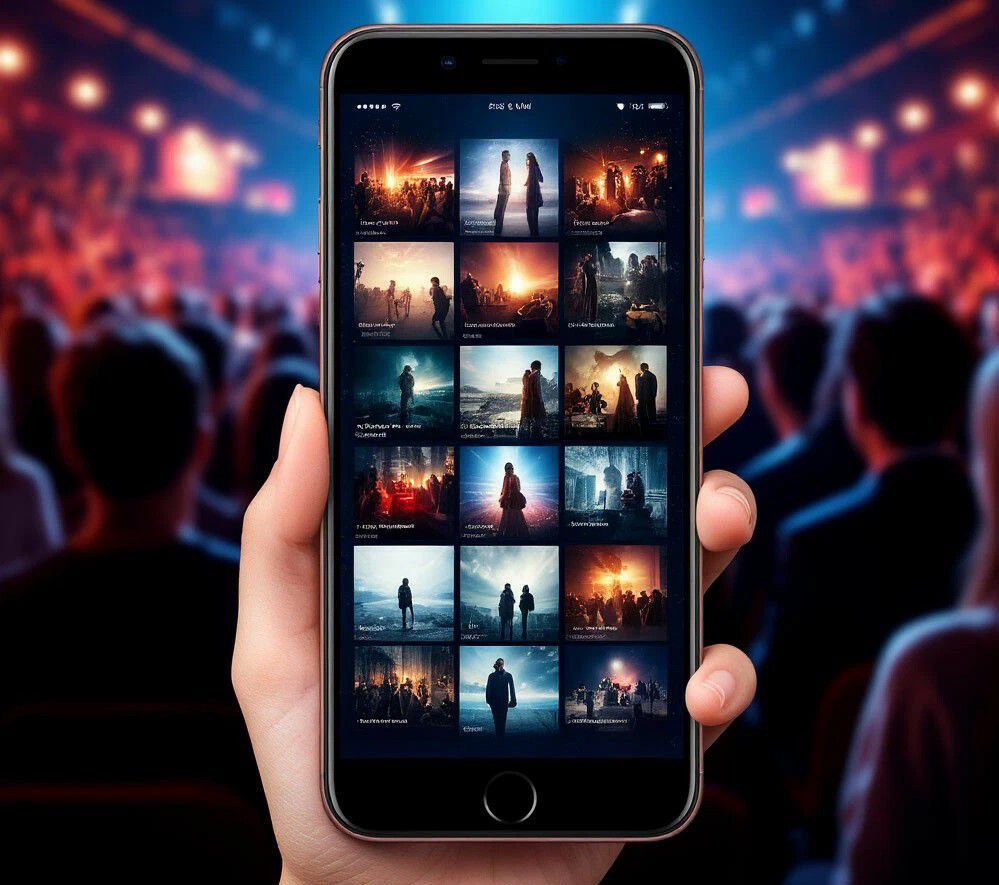
Mobile Mini-Dramas: Vertical Fiction Apps That Hook Gen Z 🎬📱
Introduction
Move over, traditional TV series and long YouTube videos — the new wave of storytelling is vertical, ultra-short, and addictive. In the last two years, “mini-drama” apps have exploded in popularity, especially among Gen Z audiences. Known as Duanju in China, these are short, serialized stories designed for mobile viewing, with each episode lasting between 30 seconds and 2 minutes.
From romantic comedies to sci-fi thrillers, these bite-sized narratives are built for the scroll culture — quick, emotional, and impossible to watch “just one.” And now, the trend is moving beyond Asia into Western markets, sparking what many call the TikTok-ization of scripted entertainment. 📈
What Are Mobile Mini-Dramas? 🎭
Mini-dramas are not just “short videos.” They are scripted, professionally produced shows created for vertical smartphone viewing.
Key features include:
• Ultra-short episodes — usually under 2 minutes.
• High emotional impact — every episode ends on a cliffhanger.
• Vertical format — optimized for phones, no rotation needed.
• Quick production cycles — episodes are filmed and released at rapid speed.
Apps like ReelShort, DramaBox, and ShortTV have built massive libraries of these mini-series, often using AI tools to speed up production and editing.
Why Gen Z Loves Them ❤️
There are several reasons why this format resonates so strongly with younger audiences:
1. Fits into micro-moments ⏱ — Perfect for a short break, commuting, or before bed.
2. Instant gratification ⚡ — You get a complete emotional arc in just a minute or two.
3. Highly shareable 🔄 — Easy to send a link or clip to friends on social media.
4. Algorithm-friendly 📊 — The apps learn your taste and recommend more addictive content.
💡 Fun fact: Many viewers binge 50+ episodes in one sitting — which still takes less time than watching a single traditional TV episode.
The Business Model 💵
Mini-drama apps have cracked a clever monetization strategy:
• Freemium access — The first few episodes are free, then you pay or watch ads to unlock more.
• Microtransactions — Users can purchase “coins” to skip waiting times.
• Product placement — Brands sneak their products into the short storylines.
• AI-generated content — Some apps are experimenting with AI scripts, lowering production costs.
The low budget per episode, combined with high binge-watch rates, makes this one of the most profitable entertainment niches right now.
Cultural Shift: From TikTok to “TikTok Shows” 📺
TikTok made short videos mainstream. Mini-drama apps are simply the next evolution — but instead of random, unconnected clips, you get a cohesive, addictive story.
This format also blurs the lines between content creators and filmmakers. Many small production teams can now compete with big studios by targeting niche genres: vampire romances, time-travel mysteries, billionaire love stories, and more.
Risks and Criticisms ⚠️
While the trend is exciting, there are some concerns:
• Addiction — The constant cliffhangers are designed to keep you hooked for hours.
• Paywalls — Some apps make stories impossible to follow without constant micro-payments.
• Quality control — With fast production and AI scripts, storytelling can become formulaic.
• Privacy issues — Like any app, they may collect more data than necessary.
Parents and educators have also raised concerns about how these bite-sized shows impact attention spans.
The Future of Mini-Drama Apps 🔮
Industry experts predict that mini-dramas will:
• Expand into Western streaming platforms like Netflix or Prime Video as “short-form series.”
• Integrate interactive storytelling, where viewers choose the plot direction.
• Use AI avatars and deepfake actors to personalize stories for each viewer.
We may even see collaborations between TikTok influencers and mini-drama producers to create hybrid content that blurs entertainment and social media even further.
Conclusion ✍️
Mini-drama apps are more than just a passing trend — they represent a fundamental shift in how stories are told and consumed. For Gen Z, they fit perfectly into a fast-paced, mobile-first lifestyle.
Whether you see them as a creative revolution or a symptom of shrinking attention spans, one thing is clear: the vertical fiction boom is just getting started. And just like TikTok changed the way we watch videos, these apps may redefine scripted entertainment for the next decade. 🎥📲 -
Beware the Next TikTok? Privacy Risks of New Social Apps 🔒📱
Introduction
In the fast-moving world of social media, new apps emerge every month — each promising fresh features, trendier formats, and a better community experience. From short-form videos to AI-generated content, these platforms often feel like the “next big thing.” But behind the sleek interface and clever marketing, serious privacy risks are hiding in plain sight.
One of the most alarming recent cases involves the social app Tea, which suffered a massive data breach affecting thousands of users. This incident is more than just a headline — it’s a warning about the hidden dangers of trusting new platforms too quickly. 🚨
The “Tea” Breach: What Happened? ☕💥
Tea was marketed as a fun, AI-enhanced social networking app for sharing selfies, chatting, and creating content. It quickly gained attention, especially among younger users. But in August 2025, cybersecurity researchers revealed that hackers had stolen:
• 72,000 selfies uploaded by users
• Over 1.1 million private messages
• Sensitive profile information, including location data
The worst part? According to experts, the breach was possible because of weak security protocols and rushed development, which is common among startups trying to ride viral trends.
Why New Apps Are High-Risk ⚠️
New social platforms often operate like high-speed experiments. Their main goal is rapid growth, not security. Some key reasons they’re risky:
1. Rushed development — Security takes a back seat when developers are racing to launch features and attract users.
2. Limited resources — Startups may lack dedicated cybersecurity teams.
3. Aggressive data collection — Many apps gather more personal data than necessary to monetize faster.
4. Unclear legal compliance — Smaller companies may not fully comply with GDPR, CCPA, or other privacy regulations.
💡 Fun fact: Some viral apps don’t even have proper Terms of Service at launch — which means your rights over your data are undefined from the start.
The Illusion of Safety 🔍
When an app is trending, we tend to trust it more — especially if influencers, celebrities, or friends recommend it. This is known as social proof bias.
Platforms like TikTok, BeReal, and Clubhouse all went through explosive growth phases where users ignored potential privacy concerns because the apps felt “too popular to fail.” But as we’ve seen with Tea, popularity is not a guarantee of security.
What Hackers Can Do with Your Data 🕵️♂️
Once personal data is exposed, it can be used in many harmful ways:
• Identity theft — Using personal photos and details to create fake accounts.
• Phishing attacks — Sending convincing scam messages using stolen chat histories.
• Location tracking — Exploiting geotags and metadata from images.
• Social engineering — Manipulating friends and contacts using your compromised profile.
📌 Even something as innocent as a selfie can contain hidden GPS coordinates if the app doesn’t strip metadata.
How to Protect Yourself on New Social Apps 🛡
You don’t have to avoid all new platforms, but you do need to be cautious. Here’s how:
1. Research the developer — Who owns the app? Do they have a history of secure software?
2. Read privacy policies — Look for details about what data is collected and how it’s stored.
3. Limit personal data — Share as little sensitive information as possible, especially location and contact lists.
4. Disable metadata in photos — Turn off location tagging in your phone’s camera settings.
5. Use disposable emails — For new apps, sign up with an email that isn’t linked to your main accounts.
6. Enable 2FA — If the app offers two-factor authentication, use it.
The Bigger Picture 🌍
The Tea incident is part of a growing trend: AI-powered and influencer-driven apps are launching faster than ever, often without the security measures of established platforms. This creates a dangerous gap between user excitement and actual safety.
For many users, the risk feels abstract — until it becomes personal. Once your private messages are leaked or your identity is stolen, there’s no easy way to “undo” the damage.
Conclusion ✍️
Social media will keep evolving, and new platforms will continue to tempt us with fresh experiences. But every time you download a new app, remember: you are handing over a piece of your digital identity.
Before jumping on the next viral trend, ask yourself:
• Who is behind this app?
• How is my data protected?
• Am I prepared for the worst-case scenario?
Your privacy is worth more than a few likes or viral moments. Stay curious, but stay safe. 🔐 -
Accessible by Sound: How Audio Technology Is Empowering People with Disabilities

In today’s digital world, sound isn’t just entertainment — it’s empowerment. For millions of people with disabilities, sound-based technology has become a powerful tool for communication, independence, and inclusion. From screen readers that speak aloud to haptic audio cues in navigation apps, audio is transforming the way people interact with the world around them.
In this article, we’ll explore how sound is reshaping accessibility — and highlight the apps and innovations that are making a real difference.
🔊 Why Sound Matters in Accessibility
While visuals dominate the digital landscape, many users can’t rely on what they see. For people with visual impairments, cognitive disabilities, motor challenges, or neurological conditions, sound can act as a bridge — turning information into experience.
Here’s how:
• Spoken feedback replaces visual cues
• Audio navigation guides users through spaces or apps
• Voice control enables hands-free interaction
• Soundscapes reduce cognitive load or aid focus
It’s not just about convenience — it’s about equal access to information, services, and opportunities. 🧠🎙️
📱 Apps That Empower Through Audio
Let’s take a look at real-world examples of how sound is used to break barriers. Some of them you may already know — and others might surprise you.
1. VoiceOver (iOS) & TalkBack (Android)
These built-in screen readers allow users with visual impairments to hear everything happening on their screens: who’s calling, what buttons are where, even web page content. They support gestures, haptic feedback, and customizable speech.
> 🗣️ “Double tap to open. Swipe left to go back.”
This is not just accessibility — it’s full control via sound.
2. Be My Eyes
This brilliant app connects blind and low-vision users with sighted volunteers through live video and voice. The volunteer can describe surroundings, read labels, or assist with tasks — all via a simple voice exchange.
It even partners with companies for specialized assistance, like tech support or customer service.
3. Google Lookout & Seeing AI
These apps use the phone’s camera and AI to describe the environment aloud — from reading mail to identifying currency or even people’s emotions. A powerful combination of vision and sound.
4. Sound Amplifier & Live Transcribe
Hearing challenges? These apps help people amplify surrounding sounds or see live captions of spoken words in real time. Ideal in noisy places or for better conversations.
🎮 Sound Beyond Accessibility: Enabling Independence
Sound isn’t just helpful — it’s often the only way some users can interact with the digital world.
Here are some everyday use cases where sound empowers:
• Navigation apps with voice directions and safe-zone alerts
• Smart home devices with voice activation (Alexa, Google Assistant)
• Reminders and alerts that use custom tones or spoken prompts
• Meditation and mental health apps with calming soundscapes or voice guidance
• Typing and productivity tools with sound feedback or read-aloud support
Want to discover more creative ways sound is used in apps? Check out our post:
👉 10 Everyday Apps That Use Sound in Surprisingly Smart Ways
🧠 The Psychology of Audio Accessibility
Sound is fast. It reaches the brain quicker than text, requires less cognitive effort, and is more emotionally engaging. For people with dyslexia, ADHD, or autism, audio alternatives can be easier to process, reducing frustration and making tech more usable.
Apps like Speechify or NaturalReader turn written content into natural-sounding speech, making everything from emails to e-books more inclusive.
🔄 The Role of AI and Machine Learning
Artificial Intelligence is taking audio accessibility to the next level:
• Real-time speech-to-text for instant captions
• Natural language processing for smarter virtual assistants
• Emotion detection in voice to improve interactions
• Context-aware sounds (e.g., different beeps for different errors)
As AI evolves, so do the possibilities for adaptive, personalized accessibility through sound.
📣 Audio Isn’t an Add-On — It’s a Right
It’s time to stop thinking of accessibility as “extra” or “optional.” For millions, it’s essential. And as developers, content creators, and product designers, we all share the responsibility to build with inclusion in mind.
Whether you’re making an app, writing content, or curating your blog, ask yourself:
• Can this be understood with sound alone?
• Is there voice or audio feedback?
• Does it work for someone who doesn’t see or touch a screen?
💬 Final Thoughts
Sound is powerful. It connects, informs, guides, and levels the playing field. In the hands of thoughtful developers and companies, audio becomes more than just a feature — it becomes a lifeline.
Let’s continue exploring and celebrating how technology empowers through sound — not only for convenience, but for human dignity and independence. 🌍🎧 -
🎧 10 Everyday Apps That Use Sound in Surprisingly Smart Ways

In today’s fast-paced world, most of us interact with dozens of apps daily — for work, wellness, workouts, and everything in between. But what you may not realize is just how cleverly many of these apps are using sound — not just music — to elevate the user experience.
Whether it’s to boost your focus, enhance relaxation, speed up learning, or guide your workouts, sound is playing a major role behind the scenes. Let’s take a look at 10 everyday apps that use audio in surprisingly smart and powerful ways 🔊
1. 🧘♂️ Headspace – Meditation Through Mindful Sound
Headspace is best known for its guided meditations, but its audio features go way beyond a soothing voice. The app offers:
• Soundscapes like rain, forest, or ocean waves 🌊
• Binaural beats for deeper relaxation
• Voice-led sleepcasts to help you drift off faster 😴
💡 Why it’s smart: Headspace uses curated audio to induce specific brain states — like deep focus or calm — helping users achieve results faster.
2. 💪 Nike Training Club – Audio Coaching That Moves You
Workout apps are often visual, but Nike Training Club takes it further with audio cues from real coaches. Instead of staring at your phone during squats, you get:
• Motivational push from trainers
• Form corrections and pacing advice
• Seamless music integration 🎶
💡 Why it’s smart: It frees your eyes and focuses your mind, turning your living room into a pro gym.
3. 🧠 Duolingo – Learning Languages with Interactive Sound
Language learning is impossible without sound. Duolingo excels by combining gamified audio interaction with:
• Native speaker pronunciation
• Speak-and-repeat tasks with voice recognition
• Fun sound effects that trigger dopamine boosts
💡 Why it’s smart: Duolingo makes your brain associate language learning with reward, all thanks to strategic use of sound 🏆
4. 😌 Calm – Healing Through Personalized Audio Therapy
Calm uses audio for mental wellness, and not just for meditation. It includes:
• Celebrity-narrated sleep stories (yes, even Matthew McConaughey!)
• Music tracks tuned for heart rate synchronization
• Breathing exercises guided by rhythmic sound
💡 Why it’s smart: The app adapts soundtracks to match your emotional state, creating a tailored therapy experience.
5. 📚 Blinkist – Audio Summaries for Busy Brains
Blinkist condenses non-fiction books into 15-minute summaries. But here’s the twist: most users prefer the audio versions over text!
• Narrated by professionals
• Ideal for on-the-go learning
• Background audio keeps you engaged even in multitasking mode 🏃♀️
💡 Why it’s smart: It turns passive moments (commutes, chores) into learning opportunities.
6. 🎵 Noisli – Productivity Powered by Custom Noise
Noisli lets you blend ambient sounds (rain, fire, coffee shop) to create the perfect audio environment for work or rest.
• Customizable sound loops
• Timer + audio combo for Pomodoro focus sessions
• Offline sound packs for deep concentration
💡 Why it’s smart: Noisli uses sound to drown distractions and boost mental clarity 🧠✨
7. ⏰ Sleep Cycle – Smarter Waking with Sound Science
Sleep Cycle tracks your sleep phases and wakes you up with smart audio cues when you’re in your lightest sleep.
• Gentle alarm tones
• AI-based snore/sound analysis
• Voice data to detect sleep quality
💡 Why it’s smart: It replaces loud alarms with personalized sounds that won’t jolt your nervous system.
8. 🎙️ Notion – Voice Notes for Fast Idea Capture
Notion is already a productivity powerhouse, but did you know you can now record voice memos directly in your workspace?
• Use voice to capture ideas
• Embed sound into notes
• Combine with transcription tools
💡 Why it’s smart: Audio capture keeps up with your mind when typing just can’t.
9. 🔎 Be My Eyes – Using Sound to Guide the Visually Impaired
This app connects blind or low-vision users with sighted volunteers — using live audio communication to describe surroundings in real-time.
• Audio-guided navigation
• Human assistance via voice
• Supports millions of users globally 🌍
💡 Why it’s smart: Audio becomes a literal lifeline, turning accessibility into independence.
10. 📔 Jour – A Journaling App with Guided Audio Prompts
Journaling is usually a silent activity, but Jour changes that with audio-guided reflection.
• Voice-led mental check-ins
• Meditation-meets-journal prompts
• Soft background music to create ambiance
💡 Why it’s smart: Sound makes self-reflection feel more like a conversation than a chore.
🔊 Why Sound Matters More Than Ever
We often associate sound with music or voice calls, but modern apps are proving that audio is a tool — for focus, healing, motivation, learning, and even accessibility.
In a world overloaded with visuals and text, sound is the one sense that can work with you, not against you. From helping you sleep to keeping you productive, these apps show how smart sound design can change the way we live and work.
✨ Final Thoughts
Next time you open an app, take a moment to notice the sounds. Whether it’s a subtle chime, a motivating voice, or ambient rain — it’s likely been carefully designed to help you do something better.
Sound isn’t just an extra feature — it’s the experience. And these apps are leading the way 🔥 -
🌍 Immersive Learning Apps: Learn a Language Like a Native

Let’s be honest — not everyone thrives in a classroom-like learning environment. Some of us get bored with grammar drills, tired of multiple-choice quizzes, and uninspired by lesson plans. If this sounds like you, don’t worry — language learning doesn’t have to be rigid.
What if you could learn a language by chatting with real people, watching your favorite shows, or reading a short story over coffee? 🧠💬☕
Welcome to the world of immersive language learning apps — a more natural, intuitive way to speak, listen, and *live* in a new language. In this article, we’ll explore the best tools that help you learn like native speakers do — by diving right in.
🌀 What Is Immersive Learning?
Immersive language learning means surrounding yourself with the target language in a way that mirrors how you learned your first language. No textbooks, no memorization — just exposure, context, and real usage.
With immersive apps, you’ll learn by:
• Watching videos and listening to audio
• Reading stories and articles in the target language
• Chatting with native speakers
• Picking up words and phrases through context
It’s not just about studying. It’s about experiencing the language 🌟
👥 Who Is Immersive Learning Best For?
Immersive apps are perfect for:
• Creative, intuitive learners who love freedom and variety
• People who get bored with rigid lessons
• Intermediate learners who want to go beyond the basics
• Anyone who loves exploring culture along with language
• Brave beginners ready to learn “on the go” 💪
This method isn’t for everyone — but if it clicks, it can be incredibly powerful.
📱 Best Immersive Language Learning Apps to Try
Let’s take a look at the most popular and effective apps that offer immersive experiences. Some combine input (listening and reading), while others focus on output (speaking and chatting).
1. Tandem
Talk to real people from around the world — for free.
✅ Text, voice, and video chat with native speakers
✅ Find partners based on interests or goals
✅ Built-in translation and correction tools
✅ Practice speaking in real conversations
Best for: Social learners who want real, meaningful conversations.
2. HelloTalk
Similar to Tandem, but with more community-based features.
✅ Speak with native speakers via text or voice
✅ Share “moments” — like a social media feed
✅ Built-in grammar correction tools
✅ Immersive yet beginner-friendly interface
Best for: Learners who want a balance of chat + culture sharing.
3. LingQ
You’ll see this one in both immersive *and* structured lists — because it does both.
✅ Read real content: news, stories, dialogues
✅ Listen while you read, with synced audio
✅ Save words and phrases to your personal vocab deck
✅ Learn passively and actively
Best for: Readers and listeners who want depth and repetition.
4. FluentU
Learn with real-world videos — music, interviews, commercials, and more.
✅ Subtitled video content in your target language
✅ Instant translations and definitions
✅ Review words with flashcards
✅ Context-rich learning (not just isolated words)
Best for: Visual learners who love video content 🎬
5. Beelinguapp
Read side-by-side texts in your native and target language.
✅ Fairy tales, news, short stories, science, and more
✅ See both languages on the screen at once
✅ Narrated by native speakers
✅ Great for improving reading skills and vocabulary
Best for: Bookworms and quiet learners who prefer solo time 📚
6. Language Reactor (Chrome Extension)
Transform YouTube and Netflix into language-learning tools.
• ✅ View dual subtitles (your native + target language)
• ✅ Hover to see definitions
• ✅ Save new words for review
• ✅ Learn while binge-watching 😍
Best for: Those who love movies, series, and learning passively.
🔍 Why Immersive Learning Works
Immersion taps into how the human brain naturally learns language — through patterns, exposure, and context.
Here’s why it’s so powerful:
• 🧠 You learn phrases in real-life context
• 🗣️ You hear how native speakers actually talk (slang, tone, emotion)
• 🫶 You become more confident using the language
• 🌍 You explore culture, not just grammar
You stop “studying a language” and start living it.
🛠️ How to Make the Most of Immersive Apps
To get real results, consistency and curiosity are key 🔑
Here are some tips to stay on track:
• Start small: 5–10 minutes a day with content you enjoy
• Talk out loud — even when no one’s listening
• Use subtitles first, then switch them off gradually
• Save interesting phrases to review later
• Choose content that excites you — movies, music, podcasts
⚖️ Structured vs. Immersive: Which Is Better?
That depends on you 😉
If you need a clear plan, checkpoints, and grammar guidance, go with structured apps like Duolingo or Babbel.
But if you crave spontaneity, context, and cultural connection — immersive tools may light your fire.
In fact, the best approach is often a mix of both 🔁
🔗 Related Article
Want to explore the other side of language learning?
Check out this companion post:
👉 Structured Learning Apps: Master Any Language Step by Step
(Replace with real URL if available)
✨ Final Thoughts
Immersive apps offer something magical: they bring language to life. You’re not just translating words — you’re discovering ideas, emotions, and ways of thinking.
Whether you’re chatting with a native speaker in Tandem, reading short stories in Beelinguapp, or watching interviews in FluentU — you’re stepping into another world.
So don’t be afraid to dive in. Make mistakes. Laugh at yourself. Learn with joy 💬🌈
Because language isn’t just about words. It’s about connection. -
🎯 Structured Learning Apps: Master Any Language Step by Step

In the era of digital tools and global conversations, learning a new language has never been more accessible. From flashcards to real-time conversations with native speakers — there are countless ways to pick up a new tongue. But while some people thrive in a free-form, immersive environment, others need structure. A plan. A roadmap.
If that sounds like you — you’re in the right place 😉
In this article, we’ll dive into a specific type of language learning apps: **those that offer structured, step-by-step learning**. We’ll explore what makes them effective, who they’re best for, and which ones are worth downloading today.
📐 Who Are Structured Apps Best For?
Structured language learning apps are ideal for:
• People who feel lost without a clear path
• Learners who want to measure their progress
• Those who enjoy working with grammar and vocabulary systematically
• Beginners who need guidance to get started
• Busy people who prefer short, daily sessions with a purpose
In other words — if you love lists, levels, and a sense of order in your studies — these apps will feel like home 🏡
🛠️ What Makes a Structured App… Structured?
Here’s what you can typically expect from a structured language learning app:
• Levels and Units: From A1 to C1, or Beginner to Advanced — you’ll always know where you are and where you’re going.
• Daily Lessons: Short, bite-sized tasks that build on each other.
• Built-in Grammar Explanations: Not just “what” to say, but “why” you say it that way.
• Progress Tracking: Streaks, badges, achievements — whatever motivates you.
• Logical Flow: No random phrases like “the penguin drinks milk” (unless that’s your thing 🐧🥛)
Let’s now take a look at some of the best apps in this category.
📱 Top Structured Language Learning Apps (That Actually Work)
1. Duolingo
Probably the most famous language learning app out there — and for good reason.
✅ Gamified learning (XP, hearts, daily streaks)
✅ Clearly defined skill trees and lesson sets
✅ Great for beginners and casual learners
✅ Wide selection of languages
Best for: Those who want a fun, low-pressure way to build a daily habit.
2. Babbel
A step up from Duolingo, Babbel focuses more on practical dialogues and grammar.
✅ Lessons designed by linguistic experts
✅ Focus on conversational skills
✅ Grammar tips in context
✅ Audio by native speakers
Best for: Learners who want something a little more serious but still approachable.
3. Busuu
Busuu combines structured lessons with the option to connect with native speakers for feedback.
✅ CEFR-aligned courses (A1 to C1)
✅ Vocabulary, dialogue, writing, and speaking practice
✅ Review with feedback from real people
✅ Built-in study plan feature
Best for: Learners who want structure and interaction.
4. Mondly
A sleek interface with a strong focus on themes and repetition.
✅ Conversation-focused lessons
✅ Speech recognition and chatbot interactions
✅ AR/VR features for immersive learning
✅ Over 30+ languages
Best for: Tech-savvy learners who want variety and a modern experience.
5. LingQ
A hybrid between structured and immersive — perfect for learners who love reading.
✅ Learn from real-world content (articles, stories, podcasts)
✅ Save and track vocabulary
✅ Grammar explanation tools
✅ Customizable learning path
Best for: Independent learners who want both structure and depth.
💡 Why Choose Structure?
Still wondering if a structured app is right for you? Here’s why many language learners love this approach:
• 🧠 You remember better when you follow a pattern
• ⏱️ You can track your time and set goals
• 📊 You see real progress (which boosts motivation)
• 📚 You build a solid foundation — grammar, vocab, listening
Structured learning gives you a sense of direction, which is crucial when starting something new.
🚀 Tips for Making the Most of These Apps
Even the best app won’t help much if it’s collecting dust on your phone. Here are a few tips to keep yourself engaged:
• Set a daily reminder to practice at the same time every day
• Use the notes feature to write down tricky grammar points
• Try speaking out loud, even if the app doesn’t ask you to
• Mix apps: e.g. Duolingo for habits + Babbel for deeper lessons
• Celebrate small wins — even 5 minutes a day counts! 🎉
🔄 What If Structure Isn’t for You?
Not everyone learns best through lesson plans and grammar drills. Some prefer to dive in and learn as they go — through real conversations, movies, and songs.
If that sounds more like you, stay tuned for our next article:
👉 “Immersive Learning Apps: Learn a Language Like a Native”
(coming soon — or already published, link here if available)
✨ Final Thoughts
Structured language apps are like a personal trainer for your brain. They don’t promise magic, but they give you tools, order, and confidence — one small step at a time.
Whether you’re learning Spanish, Japanese, French, or even High Valyrian (yes, it’s on Duolingo 👑🐉), these apps can help you build a strong foundation and stay consistent on your journey.
So… why not give it a try today?
Your future bilingual self will thank you 😉 -
🎵 Sound and Emotion: How Music Influences Our Mental State
Imagine walking into a room filled with your favorite melody — your mood instantly lifts. Or perhaps a slow, melancholic tune starts playing and, without warning, you feel a wave of nostalgia. Music has this undeniable power over our emotions, and it’s not by accident. From ancient tribal rituals to modern streaming algorithms, sound has always shaped the way we feel, act, and even think.
But how deep does this connection go? And in a world increasingly shaped by artificial intelligence and data, can technology tap into this emotional relationship with music?
Let’s explore the fascinating bond between sound and emotion, and how modern music apps are beginning to “feel” with us. 🎧💡🧠 The Science Behind Sound and Emotions
When we listen to music, a symphony of processes happens inside our brain. Music activates the amygdala (the emotional core of the brain), dopamine pathways (linked to pleasure), and even the hippocampus, which helps us form and retrieve memories.
In other words, music isn’t just background noise — it’s a full-body emotional experience.
• Upbeat tunes stimulate energy and motivation
• Slow, instrumental music can reduce stress and promote relaxation
• Minor chords often elicit sadness or reflection
• Major chords tend to create a sense of happiness and optimism
Neuroscientists have even found that music can modulate heart rate, blood pressure, and cortisol levels (the stress hormone). So next time you put on your favorite track and feel chills — yes, that’s real. ❄️🎶
🎼 Cultural & Personal Associations
Why does one song make you cry and leave someone else unaffected? Much of our emotional reaction to music is also culturally and personally conditioned.
• A lullaby from childhood
• A breakup song that got you through hard times
• A national anthem evoking pride
Our experiences “attach” themselves to melodies. This is why your playlist might feel like a diary: each track, a page filled with memories and emotions.
🎵 Music as Therapy: Healing Through Harmony
The link between music and mental health is so strong that it’s become a cornerstone in therapeutic practices. Music therapy is used to treat anxiety, PTSD, depression, and even dementia.
In hospitals, clinics, and wellness centers around the world, patients use music to:
• Process trauma
• Enhance memory
• Regulate emotions
• Improve communication skills
This isn’t just alternative fluff — it’s clinically backed. Studies show that music therapy reduces depressive symptoms and can even improve recovery outcomes after surgeries. 🏥💖📱 Emotion-Aware Audio: A New Tech Frontier
Here’s where it gets futuristic. Today’s smart apps are no longer just playlists in your pocket — they’re emotionally intelligent companions. Imagine your phone not just knowing what you like, but how you feel in the moment and adapting the music accordingly.
Some cutting-edge music platforms now analyze:
• Facial expressions via front cameras
• Heart rate and activity via wearable tech
• Typing behavior or voice tone
• Music skip/like behavior over time
And based on this data, they generate dynamic playlists tailored to your emotional state.
If this sounds like sci-fi, check out this deep dive into emotion-aware audio players. These apps are not just reactive — they’re proactive, anticipating your needs and helping manage your mood throughout the day.
Whether you’re waking up groggy, powering through a workout, or decompressing after a long day, these AI-enhanced apps aim to support you emotionally, not just entertain. 🔊🧘♀️
😌 The Right Sound at the Right Time
It’s not just about emotional highs and lows. Picking the right music at the right time can:
* Boost productivity (think ambient or lo-fi while working)
• Enhance sleep quality (try white noise or soft acoustic)
• Deepen meditation and mindfulness
• Strengthen focus for ADHD or neurodivergent users
There’s even growing research into “digital sound medicine”, where curated sound waves help restore emotional balance and regulate nervous system responses.
🎧 Creating Your Own Emotional Soundtrack
So how do you start using music more consciously to support your mental state?
Here are a few easy tips:
1. Curate mood-based playlists (Happy, Focused, Calm, Energized, etc.)
2. Use apps that offer mood detection or mood-based filtering
3. Notice your reactions — keep a small journal about how different songs affect you
4. Switch genres when your mood needs shifting — use contrast (e.g., upbeat after a stressful call)
5. Limit overuse of emotionally intense music if it reinforces negative loops
💬 Final Thoughts: When Music “Understands” You
Music is one of the few things that speaks every language, crosses every culture, and touches every emotion. As we embrace more tech in our daily lives, the fusion of AI and emotional sound is creating powerful new tools for mental wellbeing.
We’re no longer limited to pressing “play.” Our music is starting to listen to us — and that may be the most beautiful harmony of all. 🎶💜
Would you trust a music app to “read” your emotions and choose your soundtrack for the day? Let us know in the comments or tag a friend who needs to discover this emotional upgrade in their playlist! -
Can Your Music App Predict Your Mood? A Deep Dive into Emotion-Aware Audio Players 🎵🤔

In an age where artificial intelligence is redefining every corner of our digital lives, it was only a matter of time before it started tuning into our emotions—quite literally. From personalized playlists to AI DJs, today’s mobile music apps are starting to claim they can read your mood and play the perfect song to match. But how accurate are these features? And what does the future hold for emotion-aware audio technology?
Let’s dive into this fascinating intersection of music, psychology, and machine learning.
🧠 What Are Emotion-Aware Music Apps?
Emotion-aware music apps use a combination of data sources—including facial expressions, typing behavior, biometric sensors, and listening habits—to estimate your current emotional state. Once a mood is identified (happy, sad, anxious, relaxed), the app curates music to either match or alter it.
Some advanced apps even utilize voice tone analysis or wearables like smartwatches to collect pulse and heart rate data. The goal? To craft an audio experience that resonates with how you feel in real time.
🎧 The Technology Behind the Mood
Most emotion-aware systems use one or more of the following technologies:
• Natural Language Processing (NLP): To analyze song lyrics, user input, or messages.
• Facial Recognition & Computer Vision: To detect microexpressions using your phone’s camera.
• Voice Emotion Detection: To interpret vocal tone and pitch through microphone input.
• Biometric Analysis: Using wearables or phone sensors to track stress indicators.
• Machine Learning Models: Trained on thousands of user sessions to predict emotions based on behavior patterns.
Spotify’s “AI DJ” is a well-known example, using historical listening data and voice narration to create a hyper-personalized radio station. While it doesn’t directly “read” emotions, it anticipates mood based on behavior patterns.
📝 Real Apps That Try to Feel What You Feel
Here are a few notable apps and platforms experimenting with mood-based music:
• Mubert: Uses AI-generated music loops tailored to energy levels or focus needs.
• Endel: Partners with neuroscience experts to generate soundscapes that respond to your movement, location, and time of day.
• Spotify AI DJ: Offers voice-guided music selections based on your listening habits.
• Moodagent: Matches songs to emotions using mood tags like “sensual,” “angry,” or “joyful.”
• Soundtrack Your Brand: A B2B tool for mood-based playlists in retail or public spaces.
🤯 But Does It Actually Work?
Well, yes and no.
While these systems can predict your listening behavior, accurately sensing your true emotional state is still a complex challenge. Emotions are deeply personal, culturally influenced, and often hidden. A forced smile doesn’t mean happiness, and a chill playlist won’t always fix anxiety.
Most users report that mood-based playlists are often helpful, especially when trying to focus or relax. However, the algorithms still struggle with:
• Misinterpreting temporary expressions.
• Overfitting user behavior to narrow categories.
• Making wrong assumptions from biometric data.
In short, the music often feels “close enough” but not exactly spot-on.
📈 The Future of Emotion-Aware Music
As biometric tech and AI continue to evolve, we can expect a future where your earbuds might know your feelings better than your friends do. Imagine this:
• Mood-sensitive playlists that change in real-time with your heartbeat.
• Integrated journaling and therapy tools that pair music with emotional check-ins.
• AI co-composers that generate unique tracks based on your dream last night or stress level today.
With tech giants and startups alike investing in emotional AI, this field is ripe for growth—and ethical debate. How much should an app know about how you feel? What data should it store? Can music ever replace human empathy?
🧵 Final Thoughts
Emotion-aware music apps are a thrilling and slightly eerie step forward in the fusion of art and artificial intelligence. While they’re not mind-readers (yet), they represent a genuine attempt to make our digital experiences more emotionally attuned and human-centered.
Whether you’re a tech enthusiast, music lover, or just someone who cries during sad piano songs, keep an eye on this trend. Because soon, your music app might be listening to more than just your playlists.
What’s your experience with mood-based music apps? Let me know in the comments! 👇 -
How BeFake Is Flipping the Script on Social Media Authenticity 😎📸

In an era where authenticity is praised but rarely practiced, a new app has emerged—BeFake—and it’s doing something wild: encouraging people to fake it. While other platforms beg users to “be real,” BeFake offers an unapologetically ironic twist on the trend, and surprisingly, it’s catching on fast.
But what’s behind this anti-authenticity movement? Is it satire, rebellion, or something deeper? Let’s dive into the weird, wonderful world of BeFake and see how this “fake-first” app is forcing us to rethink what we want from social media.
The Rise of BeFake: From Joke to Global Trend 🌍
It started as a tongue-in-cheek response to BeReal, the viral app that prompts users to post unfiltered photos once per day. BeFake took that concept and turned it completely upside down. Instead of pushing for raw reality, BeFake celebrates the curated, exaggerated, and—yes—completely fake versions of our lives.
On BeFake, users are encouraged to upload AI-edited selfies, stage over-the-top scenes, and even auto-generate fantasy versions of their day. Want to pretend you had sushi with Zendaya in Tokyo? Go for it. Want a selfie of you hiking on Mars? BeFake says: “Why not?” 😅
At first, it seemed like a parody—just another short-lived internet joke. But something strange happened. People loved it. Downloads skyrocketed. Influencers started sharing their “BeFakes.” And suddenly, faking it became the most honest thing you could do online.
Why We’re Tired of “Being Real” 💤
Let’s be honest: the social media obsession with “authenticity” can feel performative. We’re constantly being told to post “the real us”—no filters, no edits, no scripts. But that rawness often turns into its own kind of pressure.
BeFake doesn’t ask you to be vulnerable or honest. It gives you freedom. Want to live in a fantasy? Embrace it. And ironically, many users report feeling less stress and more joy using BeFake than they do on traditional social media platforms.
Why? Because pretending is fun. There’s no judgment when everyone is in on the joke. You’re not comparing your behind-the-scenes to someone else’s highlight reel—you’re all sharing highlight fantasies.
Features That Make BeFake Addictive 🎨✨
So what makes BeFake more than just a meme app? It’s surprisingly sophisticated:
• AI Photo Generation: Upload a photo and transform it into anything—astronaut, rockstar, underwater explorer.
• Scenario Templates: Choose from hundreds of fictional backdrops like “private jet to Milan” or “meditating on a Himalayan peak.”
• Community Votes: Users vote on the best fakes of the day. The more absurd, the better.
• Daily Fake Prompts: Instead of “what are you really doing right now?”, the app asks “what do you wish you were doing?”
In short: it’s a dream generator dressed as a social network. And for a generation raised on ironic memes, it just clicks.
Is This the Future of Social Media or Just a Phase? 🤔
BeFake raises real questions: If faking online becomes normalized, does it make us more honest in some way? By admitting it’s all pretend, are we actually escaping the toxic need for constant comparison?
Social media has always been about curation. BeFake just removes the mask of pretending to be real. In a way, it’s more transparent—because there’s no illusion of “this is my real life.” It’s fiction, and everyone knows it.
But critics warn that too much detachment from reality might backfire. Could we lose touch with actual human connection? Could the line between digital identity and real self blur even more?
Still, for now, BeFake is less about deception and more about creative self-expression, absurd fun, and maybe—just maybe—liberation from the pressure of being real.
Final Thoughts: To Fake or Not to Fake? 🎭
In a world where authenticity is the buzzword but comparison is the reality, BeFake offers an escape hatch. It’s not trying to replace your real life. It’s inviting you to play, imagine, and laugh at how seriously we’ve taken online personas.
So the next time someone tells you to be real online, maybe try being fake instead. Who knows? You might find more truth in pretending than in the pressure of being “authentic.” 😉 -
🧠 Mind Vaults and Mental Maps: Memory Techniques Revived by Mobile Apps

In a world flooded with information, remembering anything seems harder than ever. Passwords, birthdays, grocery lists, or even where we parked the car yesterday — it’s all at the mercy of our overwhelmed minds. But what if ancient memory techniques could be reborn through modern technology? 📱✨
Welcome to the world of mind vaults and mental maps, where mobile apps are bringing back classical memory strategies and upgrading them for the digital age.
🔍 What Are Mind Vaults and Mental Maps?
Let’s take a step back. The idea of a “mind vault” comes from the ancient mnemonic method known as the “method of loci”, or the memory palace. This technique involves visualizing a familiar place (like your home) and “placing” information along a mental walk through that space. Think of it as mentally storing facts in your hallway closet or hiding someone’s name behind your refrigerator door.
Mental maps, similarly, are visual representations that help you organize ideas spatially. They can help you structure thoughts, prepare for speeches, or even study for exams in a more intuitive way.
These methods were used by Greek orators, medieval scholars, and even modern memory champions. Now, they’re being revived in the most unlikely place — your smartphone.
📲 Apps That Make You a Memory Master
Over the past few years, developers have created apps that don’t just test your memory — they train it using scientifically-backed techniques. Here are some that are changing the game:
• Memory Palace 3D: A gamified app where you walk through virtual rooms, placing items and ideas into specific locations. It’s as close as it gets to building your own mind vault.
• MindNode and SimpleMind: These apps help you create colorful, interconnected mind maps for anything from planning a trip to organizing a thesis. Visual learners especially love these tools.
• Elevate and Peak: While not based purely on memory palaces, these apps incorporate memory-building games that increase mental agility, focus, and recall.
• Art of Memory: Based on the techniques of memory athletes, this app teaches advanced methods through step-by-step lessons, helping users build their own systems from scratch.
Each of these tools taps into the brain’s natural affinity for spatial memory, association, and visualization — turning dry facts into immersive, memorable journeys.
🕵️♀️ Why This Matters in the Real World
These apps aren’t just for students or trivia buffs. They’re powerful tools for anyone looking to boost their brain in daily life:
• Need to give a speech without notes? 🗣️ Build it in your mind palace.
• Struggling to remember complex passwords? 🔐 Store them mentally using visual anchors.
• Want to keep track of life goals or new habits? 🧭 Use a mind map to visualize your progress.
In a sense, this blends perfectly with modern self-development trends — combining cognitive science, tech innovation, and ancient wisdom into a single user-friendly interface.
It also aligns with the broader cultural shift toward digital self-awareness. In a world where digital “memory” (like cloud storage) is externalized, reclaiming some of our internal memory feels both empowering and necessary.
🧬 Science-Backed and Future-Ready
Studies have shown that techniques like the method of loci can dramatically improve recall compared to rote memorization. A 2017 study published in Neuron found that people trained with this method retained information better even months later. 🧪
By integrating such techniques into apps, developers are creating tools that are not just entertaining, but cognitively transformative. This isn’t just about memory — it’s about improving attention, problem-solving, and even emotional intelligence, since many of these techniques require deep self-reflection and mental control.
🧩 Connecting the Dots: Memory, Identity, and the Digital Age
This revival of ancient memory systems dovetails beautifully with two rising digital trends:
1. Spy-like cognitive tools: Apps that help you train like a spy — subtly sharpening your focus, memory, and intuition — are gaining traction. Explore how that works in Spy vs. Spy: Mobile Apps That Teach You Real-Life Spy Skills — Legally. 🕵️♂️
2. Digital time capsules: Just as Digital Time Capsules: The Rise of Memory Jar Apps for Future You explores tools for preserving emotional memories, mind mapping apps help you actively organize and train your mental timeline. 💾
Together, these form a powerful trio: remembering your past, navigating your present, and planning your future — all using your own brain.
🧠 Final Thoughts: Train Your Brain, Change Your Life
With so much tech designed to replace thinking, it’s refreshing to find tools that help us think better instead. Mind vaults and mental maps aren’t just nostalgic ideas — they’re new frontiers for self-improvement, driven by the apps in our pockets.
So the next time you feel mentally foggy, don’t blame your brain — give it a map. 🗺️
Download a mind-enhancing app, start small, and unlock the hidden palace inside your head.
Your future self will thank you. 🙌
Want more? Browse our articles on mental enhancement and the intersection of tech and personal growth — including spy training apps and digital time capsules. New horizons await!

 Tinytunes.app