-
Tiny tunes app android
Tiny Tunes is a free music player and downloader app for Android devices. It allows you to search and download songs from the internet and create playlists to play your music. You can also stream music online and listen to radio stations. The app has a simple and easy-to-use interface, and it supports various audio formats such as MP3, WAV, and M4A. You can use Tiny Tunes to discover new music and artists, or to listen to your favorite songs on the go.
Where download tiny tunes app for android

You can download Tiny Tunes for Android from the Google Play Store. Here are the steps:
- Open the Google Play Store app on your Android device.
- In the search bar, type “Tiny Tunes” and press Enter.
- Select the app from the search results.
- Tap the “Install” button to begin the download process.
- Wait for the download and installation process to complete.
- Once the app is installed, you can launch it from the app drawer on your device.
- In your browser, download the TinyTunes .APK file here: TinyTunes 1.16.2 APK Download
Alternatively, you can also download the Tiny Tunes APK file from a third-party website and install it manually on your device. However, it’s important to be careful when downloading apps from external sources, as they may contain malware or other malicious software.
-
Artists and Environmental Responsibility: How Musicians Are Leading the Green Revolution
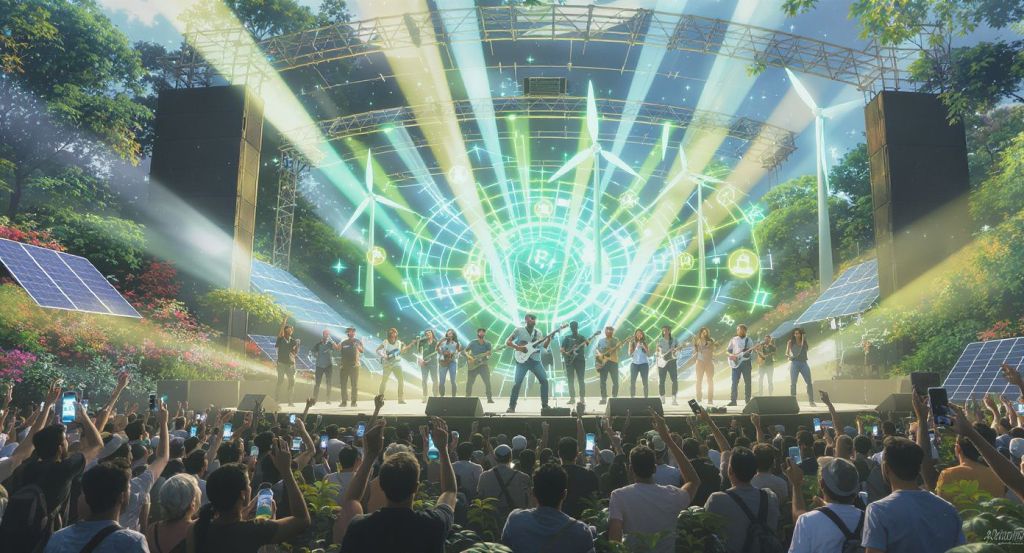
The music industry has long been celebrated for its creativity, emotional resonance, and ability to connect people across cultures. Yet, in recent years, the environmental impact of music—both in production and live events—has come under increasing scrutiny. From energy-intensive recording studios to massive touring logistics, musicians and industry professionals are beginning to confront the carbon footprint of their craft. Surprisingly, many artists are not just acknowledging the problem—they are taking a proactive role in shaping a greener future for music.
The Hidden Environmental Costs of Music
While the music itself may feel intangible, the ecosystem surrounding its creation is far from carbon-neutral. Touring, for instance, is notoriously resource-intensive. Consider transportation: large-scale tours involve hundreds of flights, trucks, and vehicles transporting equipment, crew, and merchandise around the globe. Stadium lighting, pyrotechnics, and massive sound systems consume enormous amounts of energy, often derived from fossil fuels. Even smaller venues, when aggregated across months or years, contribute significantly to environmental impact.
Recording and producing music also carries a footprint. High-powered studios require consistent heating, cooling, and electricity for equipment and digital storage systems. The growth of streaming platforms, while reducing the need for physical media, increases the energy required for server farms and data centers. Although streaming eliminates CDs and vinyl from the equation, the data infrastructure supporting millions of daily streams demands substantial electricity—an often overlooked component of the industry’s ecological cost.Musicians as Environmental Advocates
In response to these challenges, many artists are pioneering environmentally conscious practices. Some musicians are designing tours with sustainability in mind: routing tours to minimize travel distances, using renewable energy sources at venues, and offsetting emissions through carbon credits. Others are rethinking the production process, opting for energy-efficient studio setups, digital instruments, and environmentally friendly packaging for physical releases.
Artists are also leveraging their platform to raise awareness. Songs, music videos, and campaigns increasingly highlight climate issues, urging fans to consider their own environmental impact. The rise of eco-conscious festivals, where sustainability is a central theme, reflects a growing cultural shift. For instance, festivals are implementing waste reduction programs, providing reusable water bottles, and collaborating with local communities to minimize ecological disruption.
Blockchain and Green Music Innovation
Interestingly, technological innovation in the music sector is also aligning with sustainability goals. Blockchain, for instance, is not just about digital ownership or NFTs; it can provide more efficient and transparent ways to track royalties and reduce waste in distribution. Platforms are experimenting with “green blockchain” solutions to minimize energy consumption while enabling secure digital transactions. This approach allows artists to monetize their work responsibly without the need for excessive physical production or energy-intensive intermediaries.
Readers interested in how digital ownership intersects with music and environmental responsibility may find our previous discussion on Music NFTs: Dead Hype or the Future of Ownership particularly enlightening. Here, the focus is not only on new revenue models but also on how such technologies could contribute to a more sustainable music ecosystem.
Similarly, our article From Carbon Footprints to Smart Contracts: Building a Greener Music Industry explores how blockchain and smart contracts can help quantify and reduce environmental impact, providing concrete examples of tech-driven solutions that both artists and venues can implement.
Practical Steps for Musicians
So, what can musicians do right now to reduce their ecological impact? Some key strategies include:
1. Touring Smarter: Plan efficient tour routes, combine multiple shows in nearby cities, and prioritize eco-friendly transport options.
2. Sustainable Merchandising: Use biodegradable, recyclable, or digitally distributed merchandise rather than plastic-heavy products.
3. Energy-Efficient Production: Adopt low-power recording equipment, optimize studio energy use, and explore virtual collaboration tools to reduce travel.
4. Offset Initiatives: Partner with carbon offset programs or invest in renewable energy credits to neutralize unavoidable emissions.
5. Fan Engagement: Educate audiences about sustainability, encourage eco-conscious behaviors at concerts, and integrate green messaging into campaigns.
By taking these steps, artists not only reduce their carbon footprint but also set a precedent for their fans and the wider industry, reinforcing a culture where creativity and responsibility coexist.
Why Environmental Responsibility Matters for Music’s Future
The intersection of music and environmental responsibility is not merely a trend—it reflects a necessary adaptation in a changing world. As climate concerns intensify, consumers increasingly expect industries to act responsibly. Musicians who lead by example enhance their cultural relevance while contributing to a sustainable future. In many ways, artists are uniquely positioned to inspire action: they communicate emotionally, influence behavior, and can make sustainability a part of the creative narrative.
Furthermore, the adoption of greener practices fosters innovation. Whether it’s leveraging blockchain for eco-friendly royalties or designing tours with minimal environmental impact, artists are exploring new business models that are both sustainable and profitable. This aligns with the broader digital and ecological evolution within the industry, bridging creativity, technology, and environmental stewardship.
Conclusion
Environmental responsibility in music is no longer optional—it is an essential consideration for artists, producers, and fans alike. By embracing sustainability, musicians can reduce their carbon footprint, inspire audiences, and participate in shaping a music industry that respects both people and the planet. The fusion of creative innovation with ecological awareness offers a promising blueprint: one where music continues to thrive while leaving a lighter footprint on the Earth.
The green revolution in music is already underway, and musicians are at its forefront. From innovative tour planning to leveraging digital technologies like blockchain, artists are proving that artistry and environmental responsibility can go hand in hand. For anyone following the intersection of music, technology, and sustainability, these efforts signal a transformative shift—one that could redefine how we produce, consume, and cherish music for generations to come. -
From Carbon Footprints to Smart Contracts: Building a Greener Music Industry

The music industry has always been a symbol of creativity and innovation — but it’s also one of constant reinvention. As we approach 2026, the focus is shifting from loud amplifiers and global tours to something quieter yet deeply important: sustainability. From the environmental cost of streaming to the rise of blockchain-based ownership models, the conversation around “green music” is no longer just symbolic. It’s becoming a movement.
The Hidden Carbon Cost of Sound
Every time we stream a song, store a track in the cloud, or run a virtual studio, data centers consume electricity. The digital era has made music more accessible than ever, but it’s also created an invisible carbon footprint.
Fortunately, many producers, labels, and tech developers are starting to rethink how sound can be made, distributed, and enjoyed with a smaller environmental impact.
As explored in our article on sound ecology, innovations like energy-efficient recording gear, sustainable studio design, and eco-friendly touring strategies are transforming how artists approach their craft. What once seemed like a niche concern is quickly becoming an industry standard — one where environmental responsibility is just as essential as artistic vision.
Web3 and the Evolution of Music Ownership
While one side of the industry focuses on reducing emissions, another frontier is redefining ownership and value. Blockchain technology — and particularly NFTs — has introduced a new era where artists can monetize their work directly and transparently, without middlemen.
In our deep dive into music NFTs, we explored how tokenized music assets allow creators to maintain control and receive fair compensation. Beyond the financial benefits, blockchain also has a green angle: it eliminates redundant intermediaries, reduces server dependency, and creates efficient smart contracts that manage transactions automatically.
The Role of Smart Contracts in a Sustainable Future
At first glance, it might seem strange to connect “smart contracts” and “environmental responsibility.” Yet these digital agreements — executed automatically on blockchain — could significantly reduce paperwork, bureaucracy, and wasted resources.
Imagine record deals that no longer rely on piles of printed contracts or global travel for negotiations. With transparent, programmable agreements, the entire lifecycle of music rights becomes cleaner, faster, and far more efficient.
Decentralization as an Eco-Innovation
Decentralization isn’t only about freedom; it’s also about efficiency. In a traditional system, countless servers, agencies, and organizations handle the same data repeatedly. In a decentralized network, information flows through a shared ledger — reducing duplication and energy waste.
Some emerging projects even explore “green blockchains” powered by renewable energy or proof-of-stake mechanisms, dramatically lowering energy consumption compared to older proof-of-work models.
This synergy between clean energy and digital transparency might be the next big step in reshaping how the entire music ecosystem functions.
Artists as Eco-Innovators
Musicians have always been ahead of their time — now they’re becoming advocates for environmental change. From artists offsetting emissions from their tours to independent producers powering home studios with solar panels, the next generation of creators understands that sustainability isn’t a limitation. It’s inspiration.
In this new landscape, the act of creating music can itself be a statement of ecological awareness — a bridge between art and activism. Listeners, too, are beginning to value this shift, supporting artists and platforms that align with their environmental values.
Looking Ahead: Harmony Between Technology and the Planet
As technology and music continue to intertwine, the industry faces a rare opportunity: to build systems that are not only innovative but responsible. The path from carbon footprints to smart contracts shows that the future of music isn’t just digital — it’s sustainable, transparent, and decentralized.
The green revolution in sound is already here; now it’s about amplifying it. -
Music NFTs: Dead Hype or the Future of Ownership?
The world of music has always evolved alongside technology. From vinyl to streaming, each leap has reshaped how artists share their work and how listeners engage with it. Enter NFTs—non-fungible tokens—a blockchain-based way to claim ownership of digital assets, including music. But after the initial explosion of hype, one question remains: are music NFTs dead, or is there a deeper evolution happening beneath the surface?
The Rise and Fall of the NFT Hype
In 2021 and 2022, music NFTs dominated headlines. Artists like Kings of Leon, 3LAU, and Grimes sold NFT albums, exclusive tracks, and even fan experiences directly to their audience. The promise was revolutionary: bypass traditional music industry gatekeepers, allow artists to monetize directly, and give fans true ownership of music in the digital realm.
Yet, the market quickly became saturated. High-profile flops, plummeting resale values, and widespread skepticism about the longevity of NFTs led many to declare the trend dead. Headlines shifted from “NFTs are the future of music” to “NFTs are a passing fad.”
However, dismissing music NFTs as a failed experiment misses the bigger picture. What we are seeing is less a collapse and more a maturation.
Beyond Hype: NFTs as a Tool for Ownership and Connection
Even though the frenzy has cooled, NFTs remain a powerful concept for the music industry. Unlike traditional streaming revenue, which often pays artists fractions of a cent per play, NFTs allow musicians to:
• Sell limited editions of tracks or albums directly to fans.
• Provide exclusive experiences, from backstage passes to virtual meet-and-greets.
• Track and receive royalties automatically via smart contracts, ensuring fairer compensation over time.
For fans, NFTs offer more than just ownership—they offer participation. Collecting a song NFT might grant early access to releases, voting rights in a fan community, or even profit-sharing if the asset appreciates in value.
This mirrors how other technological innovations have reshaped music consumption. Just as AI tools are now transforming music production and performance, NFTs represent a structural shift in how value and ownership can be distributed in the digital space (read more on AI in music here).
Artists and the New Economy of Music
For artists, NFTs are about reclaiming control. Consider the challenges of streaming: millions of plays might generate just a few dollars. NFTs, however, allow artists to monetize both music and experiences in entirely new ways. Independent musicians can release NFT singles or albums to dedicated fanbases, creating a sustainable income model outside of labels and traditional distribution channels.
Moreover, NFTs can strengthen fan engagement. Ownership fosters emotional investment—fans who hold a digital token feel closer to the artist and more connected to the music. This isn’t just speculative; studies in digital collectibles and community building consistently show that exclusive ownership can deepen loyalty and involvement.
The ecosystem is still developing, but early adopters are experimenting with combining NFTs and virtual experiences, including virtual concerts and metaverse stages (explore the evolving live music landscape).Challenges and Misconceptions
Despite their potential, music NFTs are not without obstacles. Critics point out:
• Environmental concerns: Blockchain technologies, especially those using proof-of-work systems, have a significant carbon footprint.
• Accessibility issues: Not all fans are familiar with cryptocurrency wallets or NFT marketplaces, which can create barriers to adoption.
• Speculative markets: NFT prices are volatile, and some buyers treat them as short-term investments rather than long-term fan engagement tools.
Yet, many of these challenges are being addressed. New blockchain protocols reduce environmental impact, educational efforts are increasing accessibility, and more artists are using NFTs for utility rather than speculation.
The Future: Integration, Not Flash
Rather than fading into obscurity, music NFTs are quietly integrating into the music industry ecosystem. The hype-driven bubble has burst, but a more stable, sustainable model is emerging—one focused on genuine fan engagement, fair compensation, and innovative ways to experience music.
In the coming years, we can expect:
• Tiered NFT offerings: Limited editions for hardcore fans, with broader digital releases for general audiences.
• Enhanced fan experiences: Integration with virtual concerts, immersive environments, and even AI-generated interactive content.
• Better royalty management: Smart contracts ensuring artists receive compensation throughout the NFT’s lifecycle.
Music NFTs may not dominate headlines like they once did, but their impact could be more lasting than traditional hype cycles suggest.
Conclusion: Alive, Evolving, and Redefining Ownership
So, are music NFTs dead? Far from it. They’ve transitioned from a speculative craze to a practical tool, offering both artists and fans new ways to connect and collaborate. The road ahead will involve experimentation, integration with emerging technologies like AI and the metaverse, and a rethinking of what it means to “own” music in a digital era.
In the end, NFTs in music are less about overnight fortunes and more about the enduring evolution of the music ecosystem—a digital frontier where ownership, creativity, and community intersect. -
Sound Ecology: How Technology Is Making Music “Green”
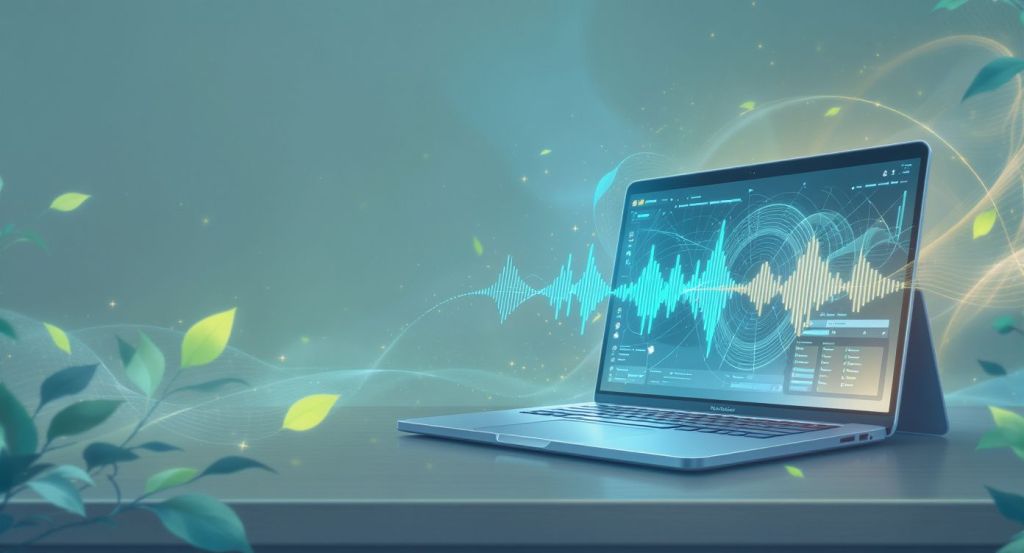
Music has always been a reflection of culture, creativity, and emotion — but in recent years, it has also become a reflection of responsibility. As the world shifts toward sustainability, the music industry is quietly transforming from within. From minimalist equipment setups to virtual studios and energy-efficient streaming, technology is reshaping how artists create and how listeners consume music. This new movement already has a name: sound ecology.
At its core, sound ecology is the idea that music production and distribution can be eco-friendly without sacrificing quality. In fact, many of the innovations driving the industry forward are not only greener but also more convenient and cost-effective for both creators and audiences.
The Rise of Minimalist Equipment: Creating More with Less
Not long ago, producing a professional track required large rooms packed with hardware: racks of compressors, synthesizers, mixing desks, and power-hungry machines. Today the trend is shifting toward minimalist equipment — not for aesthetic reasons, but for sustainability.
Modern artists are increasingly choosing:
• compact audio interfaces instead of full studio racks
• digital synthesizers and plugins instead of physical hardware
• lightweight MIDI controllers instead of multiple analog devices
This shift drastically reduces energy consumption, manufacturing waste, and the need for rare materials used in traditional gear. A single laptop loaded with high-quality plugins can now replace entire rooms of equipment. It’s not just practical — it’s ecological.
And according to recent trends in automated music, even the creative process is leaning toward digital efficiency. Technologies described in Invisible Musicians: How Robots and Algorithms Are Writing the Hits reveal how algorithms minimize the need for large studios, travel, and physical production resources by generating ideas and shaping compositions with almost zero environmental footprint.
Virtual Studios: A Quiet Revolution in Music Production
The era of heavy hardware is giving way to cloud-based studios. Musicians no longer need to fly to cities like Los Angeles or Berlin to collaborate. They can simply open a project in a virtual studio environment and work together in real time.
Virtual studios offer several ecological advantages:
• They eliminate travel emissions from flights, car rides, and hotel stays.
• They reduce electricity consumption by moving processing to optimized cloud servers.
• They cut down on physical device production, transportation, and disposal.
This model opens the door to more democratic creation. A teenager with an old laptop can now produce music at the same technical level as someone in a high-budget studio — all while being environmentally friendly.
Eco-Friendly Live Music: From Arena Tours to Virtual Stages
Live concerts have traditionally been one of the least sustainable branches of the music world. Between world tours, massive lighting rigs, trucks carrying tons of equipment, and international flights, the carbon footprint can be enormous.
But technology has already started rewriting the rules.
The rise of virtual concerts and metaverse stages reduces the environmental cost of live performances. Massive global audiences can attend shows without traveling, while artists perform using digital avatars, XR stages, or mixed-reality setups. This trend, explored in detail in Virtual Concerts and Metaverse Stages: The New Era of Live Music, represents one of the most impactful green innovations in the industry.
Virtual concerts are:
• energy-efficient
• accessible to audiences worldwide
• flexible in creative expression
• low-emission by design
They are not just a pandemic-era invention — they are becoming a long-term ecological solution.
Energy-Efficient Streaming: The Silent Contributor to Sustainability
Streaming services now dominate the global music landscape, and many people forget that digital streaming also consumes energy through servers and data centers. Fortunately, the industry is taking steps to make streaming greener.
Modern streaming platforms are adopting:
• AI-driven data compression, which lowers bandwidth use
• server optimization, reducing electricity demand
• renewable-energy data centers, especially for large-scale streaming platforms
This might seem invisible to the average listener, but it makes a substantial difference at scale. Every optimized stream reduces carbon emissions globally.
Why Green Music Matters for the Future
The shift toward eco-friendly music creation is not just a trend — it’s a necessity. As artists and audiences become more environmentally conscious, demand for sustainable solutions will only grow. Eco-aware listeners care about the footprint of the entertainment they consume. Musicians, in turn, enjoy greater creative freedom as technology removes physical limitations and enables more flexible workflows.
Sound ecology proves that sustainability and innovation are not opposite forces. They amplify each other.
Final Thoughts
Music is evolving, but its emotional power remains unchanged. What’s changing is the way we create, share, and experience it. With minimalist equipment, virtual studios, energy-efficient streaming, and the rise of digital performance spaces, the music world is becoming a model of how art and technology can work together for a greener future.
Sound ecology is more than a trend — it’s the soundtrack of tomorrow. -
When Music Becomes Visual: AI-Generated Videos Transforming the Way We Experience Songs
The relationship between music and visuals has always been intimate. For centuries, artists have sought to translate sound into imagery, whether through album art, stage design, or narrative music videos. But in recent years, a new frontier has emerged: artificial intelligence. AI-powered animation and generative video are allowing musicians, especially independent artists, to create captivating visual experiences for their songs without the need for expensive production teams or large budgets. The convergence of music and AI-driven visuals is not just a technological novelty—it’s reshaping how we perceive, create, and share music in the digital age.
AI as a Visual Composer
Generative AI tools can analyze the rhythm, tempo, and emotional tone of a track and produce visual content that mirrors its mood. For instance, a slow, melancholic piano piece might be paired with fluid, dreamy animations, while an upbeat electronic track could generate dynamic, colorful patterns that pulse in sync with the beats. Some AI platforms even allow the reverse process: feeding a visual sequence into the system, which then composes a complementary musical backdrop. This two-way interplay between audio and visual content opens new possibilities for artistic experimentation.
One prominent example is OpenAI’s MuseNet or AI video generators like Runway and Kaiber, which can create video clips based on song inputs. Artists upload their track, select a style—ranging from abstract digital art to realistic scenes—and the AI produces a clip that aligns with the music’s structure. Independent musicians who previously struggled to fund a professional video shoot can now present their songs visually, helping to engage audiences more effectively. Some experimental projects have even taken popular TikTok sounds or viral beats and transformed them into short AI-generated visuals, blurring the line between music consumption and visual storytelling.
Visuals Influencing Music Creation
Interestingly, the process can work in reverse. Visual prompts—whether they are drawings, short videos, or AI-generated images—can inspire musicians to compose tracks that complement the imagery. This cross-modal creativity fosters an iterative dialogue between sound and sight. For example, a musician might use an AI-generated futuristic cityscape as inspiration to produce synth-heavy electronic music that captures the ambiance of that environment. Conversely, visual artists can craft images specifically to match the flow of an existing track, producing a harmonious audiovisual experience that feels cohesive and intentional.
In my personal experience working with AI-generated images for articles, I noticed a similar effect. When creating visuals that correspond to music-themed content, the process of interpreting the mood of a song in a visual medium often sparks ideas for accompanying narrative or compositional choices. Even small tweaks in the imagery—like adjusting color temperature or adding motion—can influence how the story is perceived, reinforcing the idea that music and visuals are deeply interconnected.
The Democratization of Music Video Production
The accessibility of AI-generated visuals has democratized music video production in unprecedented ways. Independent artists no longer need access to large studios, expensive cameras, or professional editors to make visually compelling content. AI tools provide templates, style libraries, and automated rendering, which significantly reduce the time and effort required to produce a music video. This shift is particularly impactful in the era of short-form video platforms like TikTok, where visually striking content can quickly go viral, elevating songs to mainstream recognition. You can explore more on how short clips are reshaping the music industry in this article: The Power of TikTok: How Short Clips Are Shaping the Music Industry.
Beyond social media, AI-generated visuals are making their way into virtual concerts and immersive experiences. Musicians can now perform alongside AI-created backgrounds that react in real-time to live music, creating a mesmerizing fusion of audio and visual performance. This technological leap extends the concept of the traditional concert, merging it with interactive digital art and redefining audience engagement.
Challenges and Ethical Considerations
Despite the excitement, there are challenges. AI-generated visuals can sometimes produce uncanny or inconsistent results, requiring human oversight to maintain coherence. Additionally, questions about copyright and ownership arise: if an AI generates a video based on someone else’s song or visual style, who holds the rights to the resulting work? Musicians and visual artists must navigate these legal and ethical waters carefully. Moreover, while AI enables the creation of impressive visuals, it cannot yet replicate the nuanced human touch in storytelling, emotion, or improvisation. Balancing AI efficiency with artistic authenticity remains a key consideration.
A Look Toward the Future
The integration of AI in music video production is more than a temporary trend; it signals a fundamental shift in how we experience music. As tools become more sophisticated, we can expect an increasing number of AI-generated videos that are indistinguishable from those created by human directors. Artists will continue experimenting, blending AI visuals with live-action footage, animation, and interactive elements to craft experiences that are immersive, personalized, and emotionally resonant.
Ultimately, AI-generated music visuals are part of a broader conversation about the digital future of music. From virtual instruments to algorithmic compositions, technology is expanding the palette for creators, while audiences benefit from richer, more engaging content. The interplay of sound and image, powered by AI, allows us to experience music in new dimensions—making every beat not just heard, but seen. For further exploration on how music shapes our emotional landscapes, you can dive into this article: Music and Memory: How Songs Become the Soundtrack of Our Lives.
As AI continues to evolve, one thing remains certain: the boundary between music and visual art is becoming increasingly fluid. For artists and audiences alike, this means richer storytelling, more immersive experiences, and the thrill of discovering how music can truly be seen. -
Secrets of Sound: How Vocals Are Processed in Modern Music
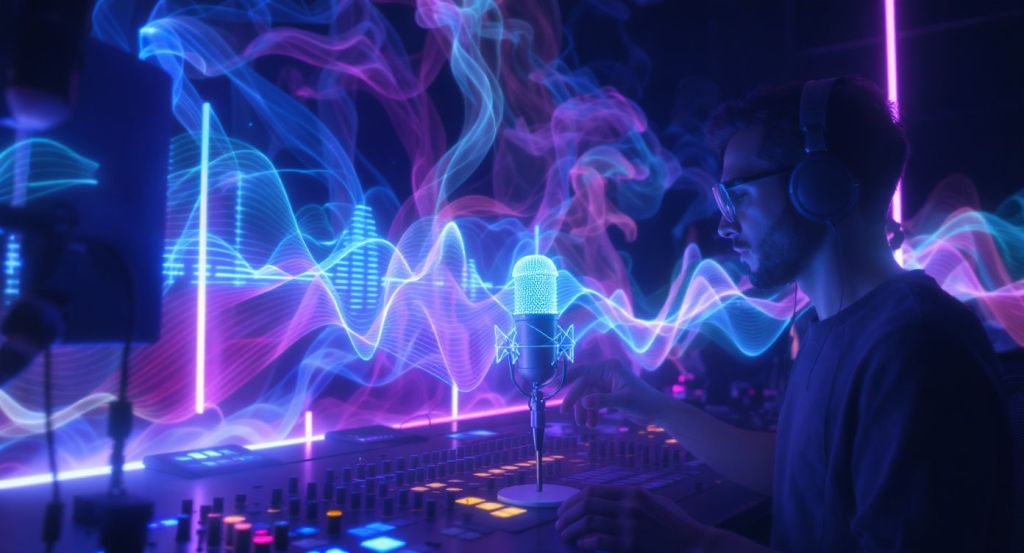
Welcome to the Musical Kitchen — the place where today’s chart-topping vocals are cooked to perfection. If you’ve ever wondered why your favorite singer sounds silky, powerful, and impossibly “studio-ready,” the answer lies not just in talent but in technology. From classic tools like compression and reverb to futuristic neural plugins that can clone or enhance a voice, modern producers are sonic chefs mixing art and science in every track.
The Magic of Autotune and Pitch Correction
Autotune is probably the most famous (and misunderstood) ingredient in vocal production. Originally designed to correct small pitch mistakes, it can now transform voices entirely — from subtle polish to robotic perfection. Think of it like seasoning in a recipe: a touch can enhance flavor, but too much changes the dish completely. Some artists use it creatively, turning the human voice into a digital instrument.
Behind the scenes, producers use advanced pitch correction software that can analyze every note, vibrato, and timing detail, letting them sculpt performances as precisely as editing a photograph.
Compression: Balancing Power and Presence
If raw vocals were a photograph, compression would be the lighting. A compressor makes quiet parts louder and loud parts softer, creating balance and punch. It helps a singer’s voice sit comfortably in the mix without getting lost behind instruments.
Think of a whispered line and a shouted chorus — compression ensures both feel equally intimate and powerful to the listener. It’s one of those invisible techniques that make songs sound “expensive” and radio-ready.
Equalization (EQ): Shaping the Tone
Every voice is unique — some are warm and full, others bright and crisp. Equalization allows producers to fine-tune those qualities by adjusting specific frequency ranges.
For instance, reducing muddy low tones makes the voice clearer, while boosting the high end adds sparkle and air. EQ is also how producers carve out space for other instruments so everything blends harmoniously. It’s like arranging ingredients so each flavor can shine without overpowering the rest.
Reverb and Delay: Creating Space and Emotion
Reverb gives the illusion that a voice exists in a physical space — a concert hall, a church, or a tiny bedroom. Without it, vocals can feel unnaturally dry; with it, they gain depth and atmosphere. Delay, on the other hand, creates echoes that can add rhythm or emotion, depending on how they’re timed.
Together, reverb and delay give music its cinematic feeling. They help the listener feel the room, not just hear the singer.
Neural Plugins and AI: The Future of Vocal Production
Today, artificial intelligence has entered the studio. Neural vocal plugins can analyze a singer’s tone and style, then suggest enhancements or even generate harmonies automatically. Some tools can mimic famous vocal timbres or blend multiple voices into one seamless performance.
This new wave of technology echoes ideas explored in “Invisible Musicians: How Robots and Algorithms Are Writing the Hits”, showing how algorithms are no longer just assistants — they’re creative partners shaping the future of sound.
These AI-driven systems are especially useful for indie artists, allowing them to achieve studio-level results from a bedroom setup. However, they also raise philosophical questions: if software can perfect emotion, what does authenticity mean in music?
The Psychology of Perfect Sound
Why do our brains love polished vocals? Science suggests that certain frequencies and tonal balances trigger emotional responses, making voices feel more intimate or inspiring. This ties closely to the idea of earworms — catchy tunes that loop endlessly in your mind. As explored in “Why That Song Won’t Leave Your Head: The Science Behind Earworms”, the way a voice is mixed can directly affect how memorable a song becomes.
Producers know this, and they carefully design vocal textures to hit that sweet spot between familiarity and surprise.
Inside the Musical Kitchen
In the Musical Kitchen, producers treat vocals like ingredients — blending compression, EQ, and reverb just right, then adding a dash of creative flair with autotune or AI effects. The goal isn’t to hide imperfections, but to elevate expression. Sometimes a little imperfection is left untouched on purpose, keeping the human warmth that connects listeners to the artist.
Behind every hit song lies a delicate balance: too much processing, and the soul disappears; too little, and the magic never comes alive. The best producers know that modern sound design isn’t about perfection — it’s about emotion translated through technology.
Final Thoughts
Vocal processing has come a long way from simple studio tricks. It’s now a full-fledged art form where science, psychology, and creativity collide. The next time you hear a flawless chorus or a whisper that feels like it’s sung right into your ear, remember: it’s not just a voice you’re hearing — it’s the result of countless micro-decisions in the Musical Kitchen of modern music. -
🎸 Smart Instruments: How Technology Breathed New Life into the Guitar and Piano

For centuries, guitars and pianos have shaped the soundtrack of human creativity. But in recent years, technology has completely redefined what these instruments can do. Smart systems, artificial intelligence, and real-time connectivity have turned traditional music gear into interactive digital partners. The evolution of smart instruments is not about replacing musicians — it’s about empowering them to reach new dimensions of creativity, accuracy, and self-expression.
🎶 MIDI Innovations — The Digital Language of Modern Music
At the heart of most smart instruments lies MIDI — the Musical Instrument Digital Interface first developed in the 1980s. Originally intended to allow synthesizers and computers to “talk,” MIDI has now evolved into MIDI 2.0, which provides richer expression and more dynamic control. It captures nuances like the pressure of a finger on a key, the bend of a guitar string, or even subtle vibrato variations.
This advancement means that a pianist’s performance can now be recorded, edited, and reproduced with remarkable fidelity. Digital instruments equipped with high-precision sensors allow artists to interact with software in ways that were unimaginable even a decade ago. The piano and guitar no longer exist in isolation — they are now part of an intelligent ecosystem that learns and adapts to each player.
For a deeper look at how artificial intelligence is reshaping musical creativity, check out Humans vs Machines: Can AI Truly Create Music with Soul?.
🎸 Electronic Strings and Self-Tuning Guitars
One of the most fascinating transformations has happened to the guitar. Modern instruments like the Gibson Robot Guitar or the TronicalTune system feature automatic tuning mechanisms that can adjust string tension in seconds. No more twisting tuning pegs by ear — just strum once, and the onboard computer handles the rest.
Even more impressive are electronic string guitars, which replace traditional metal strings with pressure-sensitive or optical sensors. These allow guitarists to play silently with headphones, apply digital effects in real time, or change the tone of their instrument at the push of a button. For touring musicians, it’s a revolution: precise tuning, customizable sound, and portability — all in one instrument.
🎹 AI-Powered Digital Pianos and Intelligent Learning
Digital pianos have evolved far beyond mere electronic keyboards. Today’s smart models include AI-driven learning systems that analyze your playing style, identify weaknesses, and adapt lessons in real time. Yamaha’s Clavinova line and Roland’s LX series use motion and pressure sensors to capture performance details, while software like Flowkey or Simply Piano guides users through interactive tutorials with instant feedback.
The integration of machine learning allows these systems to understand not just what notes you play, but how you play them. Beginners receive encouragement and correction; professionals gain detailed analytics of their touch, rhythm, and dynamics. This form of personalized learning is transforming music education into a dialogue between human and machine.
🧠 The Rise of AI Collaboration
Technology doesn’t stop at instruction — it’s becoming a creative partner. AI composition assistants can harmonize melodies, generate chord progressions, or even suggest entire arrangements. When paired with a smart instrument, this turns the musician into a conductor of possibilities.
The debate between human intuition and algorithmic precision continues to inspire artists and developers alike. While machines can now compose technically flawless music, the emotional depth of a human performer remains irreplaceable — and that tension drives innovation forward.
🎧 The Experience Revolution: Sound Beyond the Strings
Smart instruments are not only about making music; they’re about experiencing it differently. Many integrate with immersive audio systems, 3D spatial sound, or wireless headphone setups that allow musicians to practice silently or perform with complete freedom of movement.
The growing importance of immersive listening ties closely to another major innovation — the evolution of personal audio. Explore how new generations of smart headphones are redefining music perception in In Your Ears: How Modern Headphones Are Changing the Way We Experience Music.
🎛️ Top-5 Smart Musical Gadgets Worth Trying
1. Gibson Robot Guitar – A self-tuning guitar that adjusts pitch automatically with motorized pegs.
2. Yamaha Clavinova CSP-170 – A digital piano that connects to an app, guiding you through songs with AI feedback.
3. Artiphon Instrument 1 – A versatile electronic instrument that can mimic guitar, piano, or drum sounds.
4. Roadie 3 Tuner – A pocket-sized smart tuner that uses vibration detection to tune strings precisely.
5. Roli Seaboard Rise 2 – A pressure-sensitive keyboard that translates every gesture into expressive sound control.
These tools reflect a new era of creativity — one where the boundaries between musician, composer, and technologist blur into a single, fluid identity.
🎵 The Future of Human-Tech Harmony
The relationship between music and technology has always been dynamic. What’s changing now is the level of intelligence built into the instruments themselves. Guitars that think, pianos that teach, and digital systems that learn from emotion — all point toward a world where technology amplifies human artistry rather than replacing it.
The “smart instrument” revolution isn’t just about better tools; it’s about reshaping the very language of music for a new generation. In this symphony of innovation, the human touch remains the melody — and technology, the harmony that helps it soar. -
🎶 Invisible Musicians: How Robots and Algorithms Are Writing the Hits

The Rise of AI Hitmakers 🤖🎧
Not long ago, the idea of a robot writing a hit song sounded like science fiction. Today, it’s becoming everyday reality. Artificial intelligence systems now compose melodies, write lyrics, and even perform vocals that sound astonishingly human. From Jukebox by OpenAI to Sony’s Flow Machines and Google’s Magenta project, the race to build the ultimate AI musician is well underway.
These systems are trained on vast music databases — everything from Bach to Billie Eilish — learning the mathematical patterns that define harmony, rhythm, and style. Once trained, they can generate entire tracks in seconds, blending genres or mimicking famous artists with eerie precision.
Virtual Artists Steal the Stage 🌐🎤
The rise of AI-generated performers is changing the way we think about music stardom. Take virtual idols like Aitana Lopez, FN Meka, and Japan’s long-loved Hatsune Miku. None of them are “real,” yet they have millions of fans, release singles, and even hold live shows in the metaverse.
In our earlier article, Virtual Concerts and Metaverse Stages: The New Era of Live Music, we explored how these digital performances are reshaping the concert experience. Now, AI is moving beyond performance — it’s creating the music itself.
What’s most fascinating is that these virtual artists don’t just perform songs written by humans; many now “collaborate” with AI composers. It’s a partnership between human imagination and algorithmic precision — and for many fans, the line between the two no longer matters.When Algorithms Replace Emotion 🎼❤️
Music has always been about emotion — the invisible connection between artist and listener. But what happens when the artist isn’t human? Can an algorithm understand heartbreak, nostalgia, or joy?
This question lies at the heart of modern AI music. Machine learning can analyze patterns of what makes songs sound “sad” or “uplifting,” but it doesn’t feel anything. Still, when listeners can’t tell the difference, does it matter?
As we discussed in The Emotional Future of Music: Why Human Connection Still Matters in a Digital World, emotion remains the one thing technology struggles to replicate. AI can simulate expression, but authenticity — that spark of shared experience — still belongs to humans.
The Great Authorship Debate ✍️
If a hit song is composed by an algorithm, who owns it? The programmer? The company that trained the model? Or is it, in a strange way, public domain — a collective creation of the data it learned from?
This is one of the biggest legal gray zones in today’s music industry. Some companies register AI-made works under a human collaborator’s name, while others credit “AI-assisted composition.” Yet, as AI tools grow more autonomous, defining authorship will only become harder.
There’s also a moral dimension. If machines can endlessly generate perfect pop songs, what happens to struggling human songwriters? Does art lose its meaning when it’s no longer born from human experience — or does AI simply expand what creativity means?
Collaboration, Not Competition 🎶🤝
The future may not be about replacing human musicians but working alongside AI. Many producers already use algorithms to inspire melodies, remix samples, or enhance sound quality. Instead of fearing automation, artists are learning to treat AI as a creative partner — a tireless collaborator that opens new musical doors.
As the boundaries between human and machine creativity blur, we’re witnessing the birth of a new musical era. Whether you see it as innovation or invasion, one thing is certain: the invisible musicians are already among us, composing the soundtrack of tomorrow. -
From Vinyl to Metaverses: How We Listen to Music in 2025 🎧🌌

Music has always been more than just sound — it’s memory, mood, and magic. From the crackle of vinyl records to the seamless streams of AI-curated playlists, every decade has changed how we experience music. And here in 2025, the evolution hasn’t slowed down — it’s gone virtual, immersive, and intelligent.
Let’s take a quick trip through the timeline of how we got here — and where we’re heading next.
🎶 The Golden Age of Touch: Vinyl, Cassettes, and CDs
There was a time when music had weight. Literally. You could hold it in your hands — the warmth of vinyl covers, the thrill of flipping a cassette, or the shiny perfection of a CD. Every album was a ritual. You didn’t just play a song; you entered a world.
Vinyl is still alive today, thriving in retro cafés and collector shelves, proving that analog never truly dies. In fact, 2025 has seen another spike in vinyl sales — not because it’s convenient, but because it feels authentic. People miss the tangible connection, the imperfect crackle that no digital filter can imitate.
📱 The Era of Streaming: Music Goes Everywhere
Then came the internet, and everything changed. The early 2010s introduced the revolution of streaming — suddenly, every song ever recorded fit inside your pocket. Spotify, Apple Music, and YouTube turned listening into a fluid, instant experience.
No need to rewind, no need to own — music became a service, not a product. Algorithms began shaping our tastes, sometimes even before we realized what we liked.
But as convenient as streaming was, it also made music less personal. That’s why the next phase had to bring back the emotion — just in a new, digital way.
🎧 Personalized Soundscapes: Headphones That Feel
One of the biggest shifts in the 2020s has been personalized listening. Today’s headphones are no longer just speakers; they’re smart companions that adapt sound to your unique hearing profile.
If you haven’t read it yet, check out our recent post on how modern headphones are changing the way we experience music.
You’ll see how technology like adaptive EQ, noise mapping, and even brainwave syncing has transformed the simple act of putting on headphones into a custom emotional journey.
🤖 Enter the AI DJs
In 2025, playlists are old news. Now, we have AI DJs — algorithms that don’t just recommend songs, but *create* them on the spot. These systems understand your mood, time of day, and even your current energy level through wearable sensors.
Imagine coming home after a long day — your AI DJ instantly blends chill synth textures with soft percussion, matching your heartbeat. It doesn’t just play music; it responds to you.
AI musicians are also on the rise. Entire virtual bands are now performing live sets in digital spaces — music written, mixed, and remixed by neural networks trained on millions of songs. Some fans say they can’t even tell the difference anymore.
🌐 Welcome to the Metaverse Concert
The real breakthrough of the mid-2020s? The metaverse concert.
Forget watching a live stream — now you step inside the music. With VR headsets and spatial audio, fans join global virtual arenas where avatars of their favorite artists perform in 360°. Lights move around you. Sound flows through you. You can dance beside friends from Tokyo, London, and São Paulo — all at the same show.
It’s not just entertainment; it’s a revolution in presence. Artists like Travis Scott and Grimes were early pioneers, but now even indie musicians host fully immersive performances where each viewer’s experience is slightly unique.
🧘♀️ Healing Through Sound
And while music keeps pushing boundaries, there’s another direction gaining quiet power: sound as therapy.
More people now use frequencies and immersive soundscapes to boost focus, calm anxiety, or enhance sleep. The science of vibrational healing is becoming mainstream — and it’s not just “wellness hype.”
Studies show that certain rhythmic patterns can influence brain waves, mood, and even physical recovery.
If this topic resonates with you, take a look at our deep dive on music as the medicine of the future.
🚀 The Future Sounds Like… You
So, what comes next? Probably *you*.
In the near future, your voice, your movements, and even your biometric data could become part of a live composition. Music will no longer just be something we consume — it will be something we co-create with machines.
From vinyl to VR, the story of music is the story of us — always searching for new ways to feel more, connect deeper, and listen closer.
And as we step into the next era, one thing is certain:
🎶 The format may change — but the rhythm of being human stays the same. -
Sound Therapy: Music as the Medicine of the Future 🎧
In a world where stress and overstimulation have become daily companions, music is stepping into a brand-new role — not just as entertainment, but as therapy. Scientists, engineers, and artists are joining forces to explore how sound frequencies can heal, focus, and restore balance. Welcome to the age of sound therapy, where technology meets the ancient power of vibration.
The Science Behind Sound Healing
Sound therapy is not a new concept — ancient cultures used drums, flutes, and chanting to calm the mind and harmonize the body. But what’s new today is the scientific understanding of how sound affects our brain.
When we listen to music, our neurons fire in sync with the rhythm, producing measurable effects on mood and physiology. Certain frequencies can reduce cortisol (the stress hormone), while others enhance dopamine production — the “feel-good” chemical.
Modern researchers have even mapped specific brainwave states linked to sound:
• Delta waves (1–4 Hz): Deep sleep and restoration 💤
• Theta waves (4–8 Hz): Meditation and creativity
• Alpha waves (8–14 Hz): Relaxed focus
• Beta waves (14–30 Hz): Alertness and problem-solving
Sound therapy works by using these frequencies to guide the brain into desired states. That’s why the right playlist can make you sleepy, focused, or inspired within minutes.
How Technology Is Reinventing Relaxation
Today’s sound therapists no longer rely on tuning forks and Tibetan bowls alone. Thanks to technology, healing frequencies are being woven into everyday life.
• Sleep apps like Calm or Endel generate adaptive soundscapes that respond to your breathing and heart rate, helping users drift into deeper rest.
• Focus-enhancing playlists on Spotify and YouTube use binaural beats — slightly different tones in each ear — to create brainwave synchronization for productivity.
• AI-driven sound generators craft personalized sonic environments that react to your stress level in real time.
This merging of neuroscience and music technology is transforming how we manage anxiety, insomnia, and burnout — not through medication, but through vibration.
If you’re curious how music continues to influence our emotional landscape, take a look at Sound and Emotion: How Music Influences Our Mental State. It’s a deep dive into how rhythm, melody, and harmony shape our inner world.
From Hospitals to Headphones: Sound Therapy Goes Mainstream
What once belonged to wellness studios and spiritual retreats is now finding its place in hospitals and clinical research centers. Studies show that patients who listen to soothing music before surgery require less anesthesia and recover faster. In mental health therapy, sound sessions are being used to reduce symptoms of depression and PTSD.
But the biggest shift is happening in personal technology.
Modern headphones, such as noise-canceling and spatial-audio models, are giving people unprecedented control over their acoustic environment. These devices don’t just deliver cleaner sound — they allow users to design their state of mind.
To learn more about this evolution, check out In Your Ears: How Modern Headphones Are Changing the Way We Experience Music. You’ll discover how design, AI, and psychology merge to make listening more immersive and therapeutic than ever before.
AI, Frequency, and the Future of Healing
The next frontier of sound therapy lies in artificial intelligence. Imagine your smartwatch detecting rising stress and automatically playing a tailored sound frequency to calm your nervous system. Or a VR meditation session that synchronizes visual patterns with your heartbeat and breathing.
Startups and research labs are already experimenting with:
• Neuroacoustic algorithms that adjust music in real time to influence mood.
• AI-generated “digital shamans” — virtual guides that use voice modulation to induce relaxation.
• Therapeutic metaverse environments where users experience guided sound journeys.
These innovations point to a fascinating future where music becomes medicine — precise, data-driven, and deeply personal.
Listening With Purpose 🎶
What makes sound therapy truly transformative isn’t just the science — it’s the intention. Whether you’re tuning into binaural beats for focus, ocean waves for sleep, or ambient drone music to decompress, the key is mindful listening.
Think of sound as nourishment for your nervous system. Just as you choose what to eat, you can choose what to hear — and in doing so, shape your energy, emotions, and even health.
As we continue to explore the boundaries between art and neuroscience, one thing becomes clear: the future of wellness might not come in a pill, but in a playlist.

 Tinytunes.app