-
Tiny tunes app android
Tiny Tunes is a free music player and downloader app for Android devices. It allows you to search and download songs from the internet and create playlists to play your music. You can also stream music online and listen to radio stations. The app has a simple and easy-to-use interface, and it supports various audio formats such as MP3, WAV, and M4A. You can use Tiny Tunes to discover new music and artists, or to listen to your favorite songs on the go.
Where download tiny tunes app for android

You can download Tiny Tunes for Android from the Google Play Store. Here are the steps:
- Open the Google Play Store app on your Android device.
- In the search bar, type “Tiny Tunes” and press Enter.
- Select the app from the search results.
- Tap the “Install” button to begin the download process.
- Wait for the download and installation process to complete.
- Once the app is installed, you can launch it from the app drawer on your device.
- In your browser, download the TinyTunes .APK file here: TinyTunes 1.16.2 APK Download
Alternatively, you can also download the Tiny Tunes APK file from a third-party website and install it manually on your device. However, it’s important to be careful when downloading apps from external sources, as they may contain malware or other malicious software.
-
Can Music Heal? Exploring the Therapeutic Power of Sound 🎶✨

Music — it’s everywhere. From catchy tunes on the radio to calming melodies in yoga classes, music is woven into the fabric of our daily lives. But can it actually heal? Beyond just entertainment, many believe music holds a special therapeutic power that can soothe the mind, body, and soul. Let’s dive into the fascinating world of sound and its healing magic! 🎧💖
The Science Behind Music Therapy 🧠🔬
Music therapy isn’t just a poetic idea — it’s a scientifically studied approach used worldwide to support healing. Research shows that listening to or creating music can influence our brainwaves, hormone levels, and even heart rate. For example:
• Stress reduction: Soft, slow music can lower cortisol, the stress hormone, helping us feel calmer.
• Pain management: Patients exposed to music often report less pain and reduced need for medication.
• Improved mood: Music triggers the release of dopamine, the “feel-good” chemical in our brains.
Music therapy is used in hospitals, nursing homes, and rehab centers to assist in physical, emotional, and cognitive healing. From stroke recovery to anxiety relief, the potential is vast! 🌈💪
How Does Music Heal? The Mechanisms 🎼🩹
You might wonder, what exactly happens when music “heals”? Here are a few ways music works its magic:
1. Emotional Release and Processing 😢➡️😊
Music helps us connect with feelings that are hard to express in words. A sad song might bring tears but also release pent-up emotions, leading to relief and even joy. This emotional catharsis is crucial for mental health.
2. Brain Stimulation and Neuroplasticity 🧠🔄
Listening to or playing music engages multiple brain areas — including those involved in memory, attention, and movement. This stimulation promotes neuroplasticity, the brain’s ability to reorganize and heal itself, especially after injury.
3. Social Connection and Support 🤝🎤
Group music activities like singing circles or drumming sessions foster a sense of community and belonging, which are essential for emotional well-being. Music becomes a bridge that connects us with others beyond language barriers.
Different Types of Healing Music 🎵💡
Not all music heals in the same way! Different genres and styles can affect us uniquely:
• Classical and ambient music are often used for relaxation and sleep improvement.
• Upbeat pop and dance can boost energy and motivation during workouts or mood slumps.
• Chanting and binaural beats are popular in meditation and mindfulness practices to deepen focus.
The key is to find the sounds that resonate with you personally. Your “healing playlist” might be very different from someone else’s! 🎶🧘♀️
Real-Life Stories: Music Making a Difference 🌟
Countless people have experienced the healing power of music firsthand. Here are a couple of inspiring examples:
• A woman recovering from a stroke used music therapy to regain speech and motor skills. Singing along to familiar songs helped rebuild her neural pathways.
• A veteran with PTSD found relief through drumming circles, which helped reduce anxiety and reconnect with his community.
These stories remind us that music’s power goes beyond theory — it touches lives in deeply personal ways. ❤️🥁
How to Harness Music’s Healing Power Today 🎧🌿
You don’t need to be a musician or patient in therapy to benefit! Here are some easy ways to incorporate healing music into your life:
• Create a calming playlist for stressful moments or bedtime.
• Try singing or humming your favorite tunes, even if you’re alone.
• Join local music groups or virtual communities for shared musical experiences.
• Use music apps with guided sound therapy or binaural beats.
Remember, the healing journey is unique — experiment and discover what sounds uplift your spirit! 🎤🎶
Final Thoughts: The Universal Language of Healing 🌍💫
Music transcends cultures, languages, and ages — making it a universal tool for healing. Whether it’s the gentle hum of a lullaby or the energizing beat of a drum, sound can touch parts of us words cannot reach. So next time you feel overwhelmed, try turning to music — your body and mind might thank you! 🎼❤️ -
🎶 How Music Shapes Our Mood: The Science Behind the Sound

Have you ever felt instantly uplifted when your favorite song came on? Or maybe you turned to sad ballads during a tough day? You’re not alone — music has a deep and almost magical connection with our emotions. But what is it about melodies, rhythms, and lyrics that affect how we feel? Let’s explore how music shapes our mood and the fascinating science behind it. 🎧
🧠 Music and the Brain: A Powerful Connection
Music activates multiple areas of the brain at once — including those responsible for emotions, memory, and even movement. When we hear music, our brain processes:
• Tempo and rhythm in the motor cortex (responsible for movement)
• Melody and pitch in the auditory cortex
• Emotional response in the amygdala
• Memory recall in the hippocampus
That’s why a song can make us cry, dance, or instantly remember a moment from the past. 🕺💭
🎵 Why Happy Songs Make Us Feel Good
Upbeat music with fast tempos and major chords tends to elevate mood and increase energy. It stimulates the release of dopamine — the “feel-good” neurotransmitter — much like chocolate or exercise does.
Try this:
• Feeling sluggish? 🎶 Play energetic pop or dance tracks
• Need motivation? 🎧 Pump up the volume with powerful rock or hip-hop
• Working out? 🏋️♀️ Choose music with a strong beat to keep you moving
Fun fact: Songs between 120–140 BPM (beats per minute) are most commonly found in workout playlists for a reason — they naturally energize us!
🎻 Why We Listen to Sad Music When We’re Sad
It may seem strange, but many people find comfort in sad music during emotional moments. That’s because melancholic tunes can:
• Help us process emotions
• Create a sense of shared experience
• Encourage emotional release (sometimes even tears)
This is called “sweet sorrow” — the feeling of emotional safety and reflection that sad music can bring. It can be incredibly therapeutic.
🎧 Recommended genres for this mood:
• Indie acoustic
• Classical piano
• Ambient or lo-fi with a slower tempo
🎶 Music as a Stress-Relief Tool
Studies show that listening to relaxing music can lower cortisol levels, reduce heart rate, and calm the nervous system. That’s why music therapy is used in hospitals, mental health treatment, and even during childbirth.
🧘♀️ Need to relax? Create a playlist with:
• Soft instrumental music
• Nature sounds blended with slow melodies
• Chill jazz or classical music
You can also use apps like Calm or Headspace, which include curated music tracks designed to ease anxiety and promote mindfulness.
📚 Music and Focus: Boosting Concentration
Certain types of music can improve concentration and productivity — especially instrumental or ambient tracks that create a background flow without distracting lyrics.
✅ Great for working or studying:
• Lo-fi beats
• Classical music (Mozart effect!)
• Cinematic or video game soundtracks
Just remember: what helps one person focus might distract another. Try experimenting to find your personal rhythm!
Is There a “Musical Personality”?
Yes! Research suggests that our music preferences reflect our personality traits. For example:
• People who love jazz or classical often score high in openness and creativity 🎨
• Fans of metal or rock may express strong emotions and value authenticity 🤘
• Those who prefer pop or R\&B tend to be extroverted and sociable 🎤
This is why music can also help us understand ourselves and others better — it’s a powerful identity marker.
🌍 Universal Language, Personal Impact
While music varies across cultures, its emotional impact is universal. A lullaby, for example, has similar calming effects whether it’s in Japanese, Swahili, or English. This emotional resonance connects us across boundaries and generations.
It’s no wonder music is part of:
• Rituals and ceremonies
• Healing and therapy
• Storytelling and memory
• Daily life and celebration 🎉
🎧 Quick Playlist Tips Based on Mood
Here are some simple music suggestions depending on how you’re feeling:
• Feeling sad or reflective?
Try acoustic guitar, indie ballads, or soft classical piano.
• Need an energy boost?
Go for upbeat pop, electronic dance music (EDM), or high-tempo hip-hop.
• Feeling anxious or tense?
Choose ambient tracks, chillhop beats, or calming lo-fi sounds.
• Want to boost focus and creativity?
Listen to instrumental music, jazz, or cinematic soundtracks.
• Tired or ready for sleep?
Opt for peaceful piano, nature-inspired melodies, or slow ambient music.
🎮 Final Thoughts: Tune In to Your Emotions
Music is more than just entertainment — it’s a mirror of our emotional world. Whether you need healing, motivation, focus, or just a moment of joy, the right track can shift your entire mindset.
So next time you’re feeling overwhelmed, tired, or stuck — don’t underestimate the power of pressing play. 🎵💡 -
Can AI Be a Music Critic? The Future of Reviews, Recommendations, and Robotic Taste

AI already helps us discover music we love — sometimes better than our closest friends do.
It also builds tailored playlists that feel like they were handcrafted for our soul.
If you missed those stories, check them out here first:
👉 How AI is changing the way we discover new music
👉 How AI playlists became our new favorite music editors
Now the next big question:
If AI can recommend songs so well, can it also review them? Could your next favorite album critique be written by a bot? 🧐
Let’s take a closer listen 🎧
🎤 What Is a Music Critic, Really?
Music critics do more than just say “this is good” or “this is bad.” They analyze lyrics, production, originality, emotional impact — and most importantly, context.
Critics place songs inside stories: social trends, cultural shifts, artist journeys. They help us interpret what music means beyond the beat.
But AI is learning to do that too… and faster than we expected 🤯
💻 Can AI Understand Emotion and Context?
On a surface level, AI already recognizes musical patterns: tempo, key, chord progressions, and genre blending. It can “listen” to thousands of tracks, compare them, and even assign quality scores based on technical elements.
But what about emotion? Can a machine “feel” the message of a breakup song or sense the rebellion in a punk anthem?
Sort of.
AI models are being trained not just on music, but on millions of human-written reviews, social media posts, and fan reactions. They don’t feel emotions — but they can map emotional patterns based on how people describe them.
So when someone writes “this track hits like a heartbreak I never healed from,” the algorithm learns what that means.
That’s how AI starts writing reviews that sound surprisingly human.
🧠 Real Examples Are Already Here
Some websites and apps already use AI-generated reviews or summaries. These might look like:
> “This ambient pop track blends lush synth textures with mellow beats, perfect for late-night introspection.”
Or:
> “An energetic, genre-blending anthem that challenges pop norms while embracing a nostalgic 90s vibe.”
Sound familiar? It’s not far off from what a junior music editor might write.
Of course, these reviews are still shallow compared to top-tier critics — but the tech is improving. Fast.
🤖 AI vs. Human Critics: Competition or Collaboration?
Rather than replacing human voices, AI might become a tool for critics. Imagine this:
• A critic uses AI to quickly summarize an album’s structure
• Then adds their unique insights, personal experience, and cultural analysis
It’s like using spellcheck — but for musical ideas 📝🎶
Some platforms already use AI to generate review drafts, which editors later refine. This speeds up production and helps cover more music in less time.
Instead of killing music journalism, AI might just be changing how it’s done.
🧾 The Risk: Homogenization of Taste
One concern: if everyone relies on the same AI tools to write reviews or recommend songs, will everything start sounding the same?
Will all music blur into “algorithm-approved safe choices”? Will niche, weird, or challenging music get lost in the shuffle?
That’s why human critics still matter.
They shine a light on the unexpected. They challenge trends. They bring emotion, identity, and risk — things AI doesn’t truly understand.
🎧 So… Can AI Be a Music Critic?
Yes — technically, it can. But it still lacks soul.
What it can do:
• Analyze sound with inhuman precision
• Summarize patterns from millions of reactions
• Help editors work faster and smarter
What it can’t do (yet?):
• Feel chills from a voice crack
• Recall how a song became your summer anthem
• Connect art with lived experience
And maybe that’s the line AI won’t ever cross.
Or maybe — like with playlists and recommendations — it’ll get eerily close 😅
🔗 Wrap-Up: Where We’re Headed
We’ve already seen how AI helps us find music and curate it in ways that feel deeply personal. Now it’s starting to have a voice about music itself.
Whether you’re excited or skeptical, one thing is clear:
The future of music criticism will be written by both humans and machines.
And honestly? That remix might not sound so bad 🎶✨ -
How AI Playlists Became Our New Favorite Music Editors

We used to rely on radio DJs, music blogs, or that one friend who “just knows all the good stuff” to find new tracks. But times have changed. Now, there’s someone (or rather, something) else in charge of our daily listening — artificial intelligence 🧠🎶
Whether it’s Spotify’s Discover Weekly, Apple Music’s Chill Mix, or YouTube Music’s ever-changing “For You” feed, AI-generated playlists are reshaping the way we experience music. But what makes them so good — and why are we starting to trust them more than humans?
Let’s hit play and dive in 🎵
🎯 They Know What We Like — Even Before We Do
It’s no magic — AI listens to your listening.
Every time you skip a track, replay a song, or search for a specific artist, the system learns. It builds a profile based on tempo, genre, mood, time of day, and countless other micro-behaviors.
Over time, these systems become so attuned to your habits that their suggestions feel oddly… personal. Like they know what you’re going through.
Ever had a moment where a recommended song perfectly fit your mood? That’s AI working quietly behind the scenes 🤖💡
📚 From Curation to Creation: AI as a Tastemaker
Playlists used to be handcrafted by editors or influencers. But AI has taken over that role — not just matching your taste, but constantly adapting it.
You might discover:
• A niche jazz artist from Tokyo 🌏
• A remix of your favorite song you didn’t know existed 🔁
• A genre you never thought you’d enjoy — but now love 🫶
AI opens musical doors you didn’t even know were there. And unlike a human editor, it’s doing this 24/7, without bias, mood swings, or sleep breaks 😄
🔄 Personalized, Dynamic, and Always Learning
What sets AI playlists apart from traditional ones?
They’re dynamic. One week, your playlist might be all about summer vibes and beach energy. The next, it’s slow ballads for rainy days. All because your listening behavior changed, and the algorithm noticed.
It’s like having a personal DJ who’s always paying attention.
This isn’t just helpful — it’s addictive. The more accurate the recommendations get, the more we trust them. And that trust reshapes how we explore new music and rediscover old favorites.
🧩 The Hidden Magic: Collaborative Filtering & Audio Analysis
So how does AI do all this?
• Collaborative Filtering: It analyzes the habits of millions of listeners. If others with similar taste loved a song, you might too.
• Audio Analysis: AI breaks down the soundwaves — tempo, key, instrumentation, energy — and matches it with other songs you enjoy.
Together, these tools create a feedback loop of personalization.
Every like, skip, or replay refines the experience.
🗂️ What About Human Curation?
Don’t worry — human editors still matter.
Many platforms blend AI insights with expert-curated lists. That’s why you’ll often see playlists like “Indie Picks of the Month” or “Top Latin Tracks” — those are still chosen by real people, often influenced by algorithmic data.
But even here, the AI is helping amplify reach, segment audiences, and refine delivery.
In short, it’s a partnership — but AI is doing most of the heavy lifting now 🏋️♂️
📌 Why It Matters
Music isn’t just entertainment — it’s personal.
When AI curates our playlists, it becomes a mirror of our lives: happy mornings, anxious nights, focused workdays. These playlists soundtrack our moments, shape our mood, and even influence how we remember things.
That’s a lot of power — and AI is holding the aux cable 🔌🎚️
And while we may miss the charm of old-school mixtapes, there’s something undeniably exciting about having an always-updated, deeply personal music feed that evolves with us.
👀 Coming Next…
But here’s a question:
If AI can build playlists better than any human, can it also write the reviews? Or replace the critics? 🤔
That’s exactly what we’ll explore in our next article — how AI is changing the landscape of music journalism and opinion, and what it means for professional reviewers, editors, and even artists themselves.
Stay tuned — the playlist isn’t over yet 🎧✨ -
🎧 How AI Is Changing the Way We Discover New Music (And Knows Us Better Than Our Friends)

Remember the good old days when we used to rely on friends, radio hosts, or magazine reviews to find new songs? Now, it’s your phone that whispers: “Hey, you might like this track.” And you know what? It’s usually right.
Welcome to the era where artificial intelligence doesn’t just help us find music — it learns what we love, sometimes before we even know it ourselves 🤯
🤖 AI as Your Music Bestie
Streaming platforms like Spotify, YouTube Music, Apple Music, and even TikTok use powerful AI algorithms to analyze what you listen to, when, and how often. It’s not just about genres anymore. AI looks at:
• Your mood (yes, it can guess)
• Time of day you listen
• Beats per minute you prefer
• How long you play a song before skipping
The result? A highly personalized music experience — a playlist that feels weirdly perfect.
🎯 Why It’s So Accurate (Creepy, Right?)
Let’s be honest: sometimes your friends send you songs and you *pretend* to like them. But when AI serves you a new track, you’re actually vibing.
Here’s why:
• AI isn’t guessing — it’s calculating.
• It compares your habits with millions of users with similar patterns.
• It learns over time — so the more you listen, the smarter it gets.
It’s like having a friend who never forgets* what you liked two years ago on a rainy Tuesday — and knows exactly what you’ll want next Friday at 7 PM.
🔄 Discovery Mode: From “Top 40” to Hidden Gems
One of the best parts of AI in music discovery is how it brings lesser-known artists into your ears. You’re not just getting the top 10 hits — you’re finding remixes, indie tracks, lo-fi beats, or experimental sounds from halfway across the world 🌍
No radio station or friend group could compete with that kind of reach.
Platforms like:
• Spotify’s Discover Weekly
• YouTube’s Up Next
• SoundCloud’s AI Tags
…help you fall into new sonic rabbit holes you never expected.
💬 But Can AI Understand Emotions?
Music is deeply emotional. So can a machine really get us?
Well… yes. Sort of.
AI doesn’t “feel,” but it analyzes emotional data — tempo, lyrics, harmonies, even listener feedback — to classify music by mood. That’s how platforms create “Chill Vibes,” “Sad Bops,” or “Feel-Good Pop” playlists.
It’s not empathy — it’s math. But when the result makes you tear up or dance in the kitchen, does it matter who built the playlist? 🕺
🛠️ The Tech Behind the Magic
Some of the tools powering this music intelligence include:
• Neural networks that mimic brain behavior
• Natural Language Processing to scan lyrics and reviews
• Collaborative filtering (e.g., “People who like this also like…”)
• Machine learning that updates based on your clicks, skips, likes
Basically, every time you press play, you’re training your own personal DJ.
🤝 Friends or Algorithms: Who Knows You Better?
Your best friend might know your favorite band and sometimes share cool songs. But let’s be honest — they’re not always consistent, and they don’t track every skip or replay.
AI, on the other hand, learns from every click, every like, and even what you stop listening to after 10 seconds. It never forgets your mood on a rainy Tuesday or what you danced to last summer.
Unlike friends, AI:
• Sends you fresh music every week
• Never judges your guilty pleasures
• Learns your patterns with precision
• Always gets better the more you listen
So while your friend gives good recommendations now and then, your personalized algorithm is like a superpowered music buddy that’s always in sync with your taste 🎯🎧
📱 Final Note: Should We Trust the Algorithm?
It’s easy to worry that we’re becoming too dependent on technology — and it’s a fair point. But AI isn’t replacing your music taste — it’s enhancing it.
You’re still the curator. The AI is just a tool — an incredibly smart one — that helps you explore more music, faster and easier than ever before 🎶
So go ahead. Hit play. Discover something new. And thank your robot friend later 😉 -
The Future of Focus: How Technology Is Reshaping Productivity and Learning Habits 💡📱

In a world filled with constant notifications, multitasking, and digital overload, staying focused has become a superpower. But the same technology that often distracts us is also evolving to help us stay on track, learn faster, and protect our mental well-being. Let’s explore how smart apps, AI tools, and gadgets are transforming the way we work, study, and stay balanced.
🎯 Focus Is the New Frontier
Focus is no longer just about willpower — it’s about creating an environment where focus can thrive. Whether you’re a student trying to absorb complex information or a remote worker juggling Zoom calls and emails, maintaining attention is harder than ever. That’s why modern tech is stepping in with tools that do more than just block distractions — they actively enhance how we learn and function.
📚 Tech Meets Education: Smarter Ways to Learn
Gone are the days when studying meant staring at a textbook for hours. Thanks to AI-powered tools, education has become more interactive, personalized, and adaptive to our pace.
From virtual tutors that understand your strengths and weaknesses to smart classrooms that adjust content delivery based on engagement — technology is helping students stay more focused and motivated. Want to dive deeper into how AI is transforming the classroom experience? This article covers it all, from virtual tutors to intelligent learning platforms.
These tools not only support focus but also reduce cognitive overload, making it easier for learners to stay engaged without burnout.
🧘♀️ Mindful Tech for a Healthier Brain
But let’s not forget the elephant in the room: mental fatigue. You can’t stay productive if your brain is running on empty. This is where wellness apps come in — they’re no longer just for meditation or mood tracking. Some are designed specifically to help users reset and regain focus throughout the day.
From guided breathing exercises to digital “focus rooms” with calming music and visualizers, these apps are a key part of modern productivity. Curious about which tools are worth trying? Check out our roundup of mental health apps and gadgets that actually help you feel better — your brain will thank you.
⚙️ Productivity Tools That Work *With* Your Brain
The best tools don’t just organize your tasks — they learn how you work and adapt accordingly. Apps like Notion, Forest, and time-blocking calendars help you structure your day in ways that match your energy levels. Paired with wearables like smartwatches that track your stress and suggest breaks, we’re entering a new era where productivity feels less like a race and more like a rhythm.
Even browser extensions now use AI to guide your focus — gently nudging you when you stray and helping you build healthy digital habits without guilt.
🔄 Tech + Focus = Sustainable Success
What makes this tech revolution so exciting is that it’s not just about working more — it’s about working better. When we align our digital tools with our personal rhythms, we can actually do less and achieve more. And that’s the future of focus.
From smart learning platforms to mental health support, and from productivity hacks to mindful breaks — technology is finally starting to work with us, not against us.
🌟 Final Thoughts
Focus is a skill, but it’s also a system — and today’s tech is making that system smarter, kinder, and more human. So the next time you feel overwhelmed, distracted, or stuck in a learning rut, remember: there’s a growing toolkit out there, built not to replace your brain, but to support it.
And honestly? That’s a future we’re excited to focus on. 😊 -
Tech and Mental Health: Apps and Gadgets That Actually Help You Feel Better 🌿📲
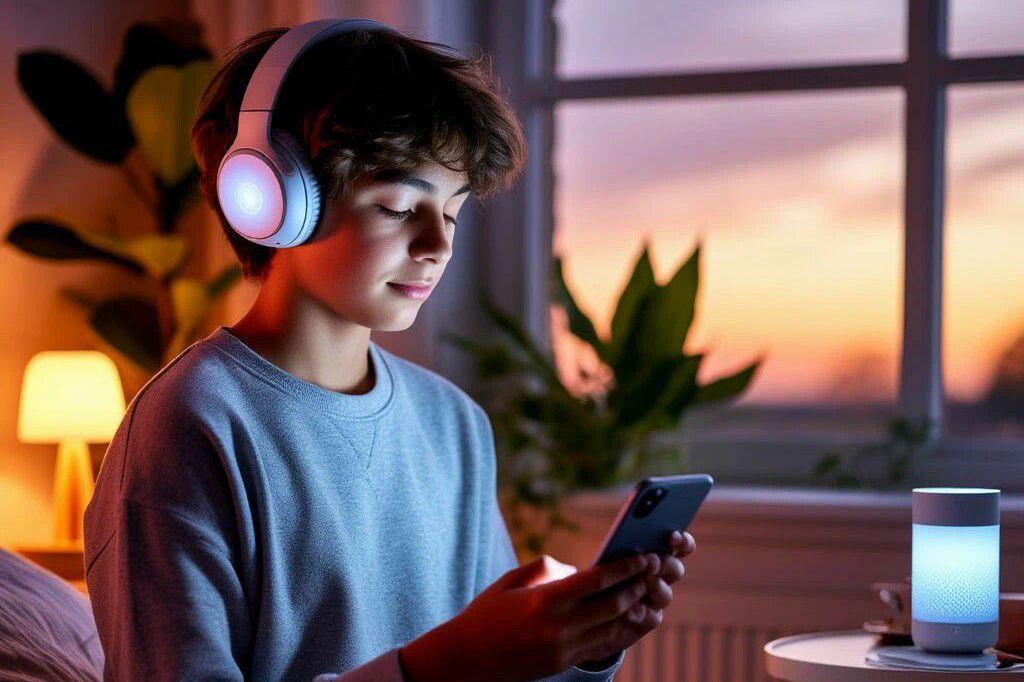
In a world where notifications never stop and screens never sleep, it’s no wonder many of us feel burned out, anxious, or just off. But what if the same technology that overwhelms us could actually help us heal? 💡
Welcome to the new era of tech-enhanced mental wellness — where thoughtfully designed apps, wearables, and gadgets are being used not to distract us, but to support us. Let’s explore how technology is stepping up as a modern-day self-care companion 🧘♀️📵
💤 1. Sleep Like a Pro with Smart Tools
Sleep is the foundation of mental well-being, and yet… how often do we actually get enough of it? 😴
Luckily, there’s a wave of sleep-focused tech ready to help.
Sleep Gadgets That Work:
• Smart rings like Oura track your sleep cycles and recovery levels
• White noise machines and smart speakers help lull you into deep rest
• Apps like Calm or Sleep Cycle provide guided wind-down routines and smart alarms that wake you at the optimal time in your sleep cycle
Better sleep = better mood, more focus, and fewer “I can’t function” mornings. Trust the data 📊✨
🧘♂️ 2. Meditation and Mindfulness, Upgraded
If you’ve ever tried to meditate and just ended up thinking about your grocery list… you’re not alone 😅 But tech can now guide even the most restless minds into calmness.
💬 Apps That Make a Difference:
• Headspace: Offers short, science-backed meditation sessions for beginners
• Insight Timer: Thousands of free meditations, from breathwork to body scans
• Muse Headband: A wearable that gives you real-time biofeedback during meditation, turning your brainwaves into sound 🌊⚡
These tools turn mindfulness into something tangible and (dare we say?) even fun.
📈 3. Mood Tracking for Emotional Awareness
We often track steps or calories — but what about our emotions?
New apps help you track mood patterns**, spot emotional triggers, and even predict down days before they happen.
🧠 Worth Trying:
• Moodpath: Gently checks in with your mental state and offers CBT-based exercises
• Daylio: Lets you log your mood and habits in under 30 seconds
• Wysa: An AI-powered chatbot that offers judgment-free conversations and mood support when you’re not ready to talk to a real person 🐧💬
By collecting emotional data over time, you gain mental clarity — and power.
📵 4. Digital Detox, the Smart Way
Ironically, some of the best mental health tech is the kind that helps you use tech less. 😌
Whether you’re doomscrolling at midnight or checking email during dinner, it might be time to rethink your digital habits.
🚫 Helpful Tools for Reclaiming Focus:
• Forest App: Grow a virtual tree that thrives the longer you don’t use your phone 🌱
• Opal or Freedom: Block distracting apps on schedule or in real time
• Light phones or e-ink devices: Minimalist gadgets for focused living
You don’t have to throw your phone out the window — you just need to set healthy boundaries with it.
❤️ 5. Support That Fits in Your Pocket
Therapy isn’t always accessible or affordable. But that’s where tech steps in again — offering mental health support that’s private, convenient, and surprisingly comforting.
🧑⚕️ What’s Available:
• BetterHelp and Talkspace: Access to licensed therapists via text, audio, or video
• Sanvello: Combines therapy tools, community support, and guided journeys
• NotOK App: A digital panic button that instantly alerts trusted contacts when you need help 🆘📳
These platforms aren’t just “better than nothing” — they’re real lifelines for people who otherwise might go without support.
🌈 Final Thoughts: Tech With Intention
Not all screen time is bad — it’s how you use it that counts. When used intentionally, technology can become a powerful ally in building resilience, awareness, and peace of mind.
From guided breathing sessions to AI check-ins and digital “don’t disturb me” forests, the tools are out there. You just need to choose the ones that work for you.
So go ahead — take a deep breath, grab your phone (yes, really), and download a little more peace today 💖📲 -
How AI Is Revolutionizing Education: From Virtual Tutors to Smart Classrooms 🤖📘

In the past, education relied heavily on chalkboards, textbooks, and long hours of classroom lectures. Fast forward to today, and the landscape has transformed dramatically — thanks to the rise of artificial intelligence (AI). From personalized tutoring to intelligent classroom tools, AI is reshaping how we teach and how we learn 🌍✨
Let’s explore how AI is making education smarter, more inclusive, and more engaging than ever before.
🎯 Personalized Learning for Every Student
One of AI’s biggest contributions to education is its ability to adapt content to each student’s individual needs. Traditional classrooms often follow a one-size-fits-all approach, which can leave some students behind and others unchallenged.
But with AI-powered platforms like Socratic by Google or Khan Academy’s AI tutor, students can now receive customized lessons, instant feedback, and suggestions tailored to their learning pace and style. Whether you’re a visual learner, a slow reader, or someone who thrives on quizzes — AI has your back! 🧠💡
👩🏫 Virtual Tutors: Available 24/7
Remember the frustration of being stuck on a math problem late at night with no help in sight? Thanks to AI, those days are fading.
Virtual tutors powered by natural language processing can now explain concepts, answer questions, and walk students through tough problems — anytime, anywhere. Apps like Photomath and Quillionz are already helping millions of students across the globe learn independently 🧮📱
These tools aren’t meant to replace teachers — instead, they complement them by supporting students outside of classroom hours.
🏫 Smart Classrooms and Intelligent Systems
Step into a smart classroom, and you’ll see how AI is creating a more interactive and efficient environment for both students and teachers:
• Automated attendance systems use facial recognition or mobile check-ins 😎
• AI-driven whiteboards can save and organize class notes in real time
• Voice assistants like Alexa or Google Assistant help with Q\&A sessions or reading aloud
• Classroom analytics tools track student engagement and identify who needs help
Teachers can also benefit from AI tools that grade essays, generate quizzes, and even provide suggestions for improving lesson plans. Less time on admin tasks = more time for actual teaching 🙌
🌐 Breaking Language Barriers
Language used to be a massive hurdle in education — but not anymore. Thanks to AI-powered translation tools, students can now:
• Read textbooks in their native language
• Use subtitles during online lectures
• Access real-time translations in global classrooms 🌍🗣️
This is particularly game-changing for refugees, immigrants, and students in multilingual countries. Education is finally becoming more inclusive and accessible for everyone.
📊 Data-Driven Insights for Better Teaching
Teachers today have access to more than just test scores — they have smart data.
AI analyzes how students interact with content: what they skip, how long they take on questions, what they repeatedly get wrong. This helps educators adjust their teaching in real time, making learning more effective and less frustrating for students.
For example, if a large group of students struggles with a specific topic, the system can flag it and suggest alternative explanations or resources. Talk about teaching smarter, not harder! 🧑🏫✨
🚀 Preparing Students for the AI-Powered Future
It’s not just about using AI — it’s about understanding it, too. Today’s students are tomorrow’s AI developers, ethical designers, and machine learning engineers.
That’s why many schools are now introducing AI as a subject in itself — teaching the basics of algorithms, data, ethics, and automation. Hands-on tools like Scratch, Teachable Machine, or MIT AI curriculum are giving kids an early start in understanding how this technology works 🔧📊
By learning with AI and about AI, students are being equipped for a digital future that’s already knocking on the door.
⚖️ What About the Challenges?
Of course, AI in education isn’t perfect. There are concerns about:
• Data privacy
• Bias in algorithms
• Over-reliance on tech
These are real issues, and they require thoughtful solutions. The key is to combine technology with humanity — using AI to enhance education, not control it.
🌈 Final Thoughts
AI is not here to replace teachers or schools. It’s here to support, enhance, and transform how we learn. With smart tools, personalized learning, and intelligent classrooms, education is becoming more flexible, accessible, and engaging than ever before.
The future of learning isn’t about robots teaching kids. It’s about kids — supported by AI — learning better, faster, and with more joy 🎓💙 -
Why Building Financial Awareness Is the Key to a Better Life 💸✨
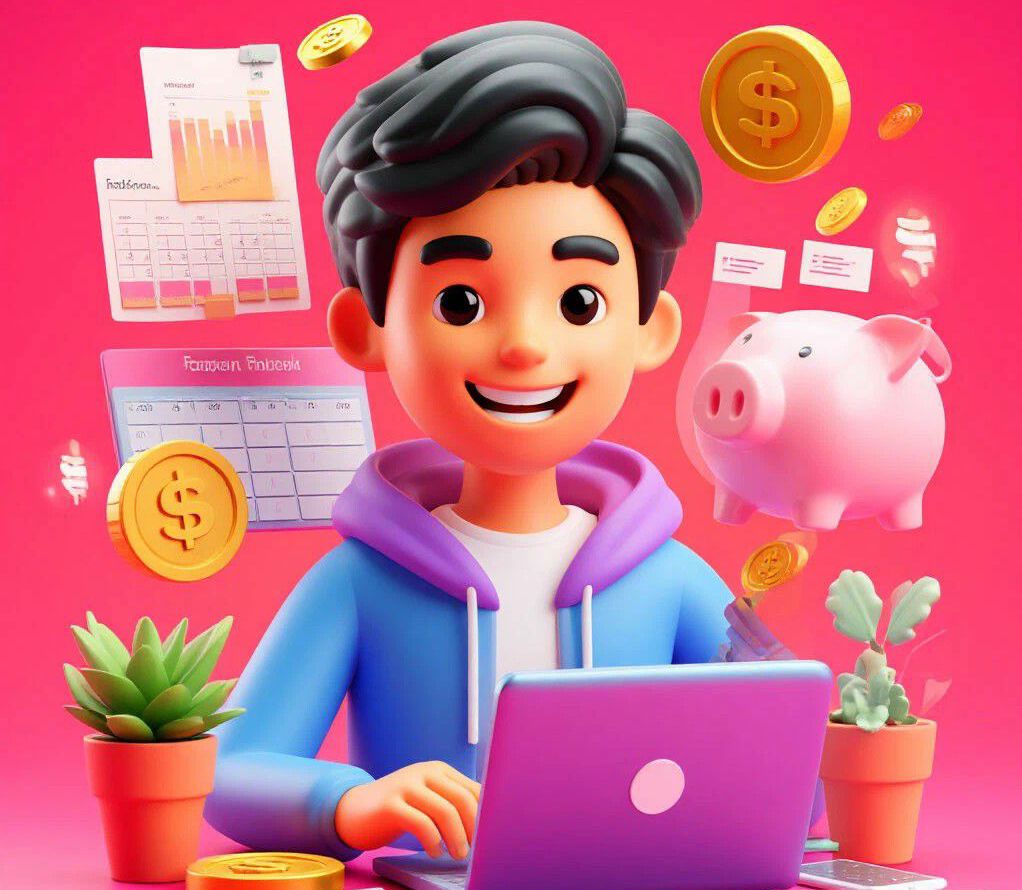
Let’s be honest — most of us weren’t taught how to manage money properly. We stumble through bills, panic during sales, and wonder where our paycheck disappeared by the 20th. But here’s the truth: financial awareness isn’t just about numbers — it’s about freedom, clarity, and peace of mind 🌱
If you’ve ever wished for less stress around money, you’re not alone — and you’re not powerless. Let’s talk about why financial awareness is a total game-changer (and how you can start building it today).
🌟 What Is Financial Awareness, Anyway?
Financial awareness means knowing what’s happening with your money — how much is coming in, how much is going out, and why. It’s not about being rich; it’s about being in control.
When you’re financially aware, you’re not afraid to check your bank account. You’re not guessing whether you can afford something. You know your habits, and you’re making decisions with purpose — not panic.
🧠 Why It All Starts in Your Mind
Here’s the twist: financial problems often begin in our heads, not our wallets. We spend to feel better, to belong, or to reward ourselves — even when we can’t afford it. Sound familiar?
To dive deeper into this topic, check out The Psychology of Spending: Why We Buy Things We Don’t Need. It uncovers the emotional triggers behind our money decisions — and once you understand them, you’re already ahead of the game 💡
🛠️ Small Habits, Big Changes
Building financial awareness doesn’t require massive changes overnight. In fact, the biggest progress often comes from tiny shifts in daily habits. Start small and stay consistent.
Here are a few beginner-friendly steps:
• Check your balance daily 📲
• Track every expense for a week 📝
• Set a spending limit before you enter a store 🚫🛍️
• Schedule a weekly “money date” with yourself or your partner 💬💰
For a full list of powerful, yet simple financial habits, check out this helpful article: 10 Simple Habits That Will Improve Your Financial Health 🙌
💥 Benefits You’ll Start Noticing
Once you start paying attention to your money, life gets noticeably better. Here’s what you can expect:
✅ Less Stress
Knowing where your money is going removes that anxious “I hope this doesn’t overdraft” feeling.
✅ Better Decisions
Financial awareness makes it easier to say “no” to unnecessary purchases and “yes” to what truly matters.
✅ More Freedom
You stop living paycheck to paycheck. You start planning — saving, investing, dreaming 🏡🌍
🎯 How to Stay on Track
Building awareness is a journey, not a one-time fix. Here’s how to stay consistent:• Use apps or a simple spreadsheet to track income and expenses
• Reflect monthly on what worked and what didn’t
• Celebrate small wins (like saving \$50 this week!) 🎉
And remember: be kind to yourself. You don’t need to be perfect — just aware.
🌈 Final Thoughts
Money doesn’t have to be scary or confusing. When you build financial awareness, you give yourself the gift of clarity, control, and confidence. You stop reacting to money problems — and start preventing them.
So take that first step today. Your future self will thank you — and probably buy you coffee with cash instead of credit ☕😉 -
🧠 The Psychology of Spending: Why We Buy Things We Don’t Need

Ever walked out of a store thinking, “Why did I even buy this?” 😅
You’re not alone. Whether it’s that random kitchen gadget, a fifth pair of headphones, or yet another subscription you’ll probably forget to cancel — we’ve all fallen into the trap of impulse spending.
But why does this happen? And more importantly, how can we stop it?
Let’s explore the fascinating psychology behind our spending habits and discover some smart ways to outsmart our own brains 💸🧠
🧠 1. The Dopamine Effect: Shopping Feels Like a Reward
When you buy something new — especially something exciting — your brain releases dopamine, the “feel-good” chemical.
It’s the same chemical involved in food cravings, social media likes, and even addiction. No wonder shopping can feel so satisfying 🛍️✨
But here’s the trick:
It’s not the having that brings the pleasure — it’s the anticipation. The brain lights up when you think about buying, not necessarily after the purchase.
🧩 Solution: Create that same feeling through a non-financial reward — like a walk, a creative hobby, or even just window shopping without the swipe.
📲 2. Targeted Ads Know You Better Than You Know Yourself
Ever say something out loud… and then see an ad for it five minutes later?
Creepy, right? 😳
Online advertisers use algorithms to target your interests, behavior, and even mood. The more data they have, the more tempting their offers become.
🧩 Solution:
Use ad blockers, limit your screen time, or shop in “incognito” mode. And remember: just because it looks like it was made for you doesn’t mean you need it.
🛒 3. Impulse Buying = Instant Gratification
We live in a world of instant everything: fast food, fast delivery, fast likes. So it’s no surprise that we want instant happiness, too.
And buying something — anything — gives that quick emotional hit.
🧩 Solution:
Practice the 24-hour rule: wait a day before buying anything non-essential. More often than not, the urge fades away (and your wallet will thank you).
🧼 4. Retail Therapy Is Real — But Temporary
Bad day? Buy a candle. Breakup? Buy new clothes. Stressful week? Order something online just because.
Shopping is often used to cope with negative emotions — it’s even got a name: retail therapy 🧘♀️🛍️
While it may lift your mood for a moment, the after-effect is usually guilt or regret.
🧩 Solution:
Build a go-to list of non-spending mood boosters: journaling, talking to a friend, dancing around the house — whatever works for you without costing a thing.
👀 5. Social Pressure and Comparison Culture
Scrolling through Instagram, you see a friend with the latest gadget, another in Bali, someone else with perfect outfits and decor.
It makes us feel like we’re missing out — and the solution feels like… buying stuff 😬
Welcome to FOMO-driven spending.
🧩 Solution:
Unfollow accounts that make you feel behind. Follow creators who focus on simplicity, mindfulness, or real life. And remind yourself that social media shows only the highlights — not the credit card bills behind them.
🧾 6. Freebies, Discounts, and the Illusion of Saving
“Buy one, get one free!”
“70% off — today only!”
“Spend \$100, save \$20!”
These marketing tricks are powerful — they make you feel like you’re saving money, when in reality, you’re spending it 💳
🧩 Solution:
Ask yourself: Would I buy this if it were full price?
If not, walk away. You’re not losing a deal — you’re gaining financial clarity.
🔁 7. The Habit Loop
Spending can become a habitual behavior — especially if it’s tied to certain triggers (like boredom, stress, or even celebration).
The brain loves patterns, and if buying things is your go-to reaction, it becomes automatic.
🧩 Solution:
Replace the habit, not just resist it. Find healthier default actions when those feelings arise: stretch, drink water, step outside. Over time, your brain will form new patterns.
💡 Final Thoughts
Understanding why we spend is the first step to regaining control of our money — and our emotions.
It’s not about never buying fun things. It’s about making intentional choices, instead of being pulled around by psychology and algorithms.
So next time you’re about to click “Add to cart,” pause for a moment…
And ask yourself: Do I really want this — or do I just want to feel better right now?
That tiny pause might save you more than just money — it might build a whole new mindset 💛

 Tinytunes.app