
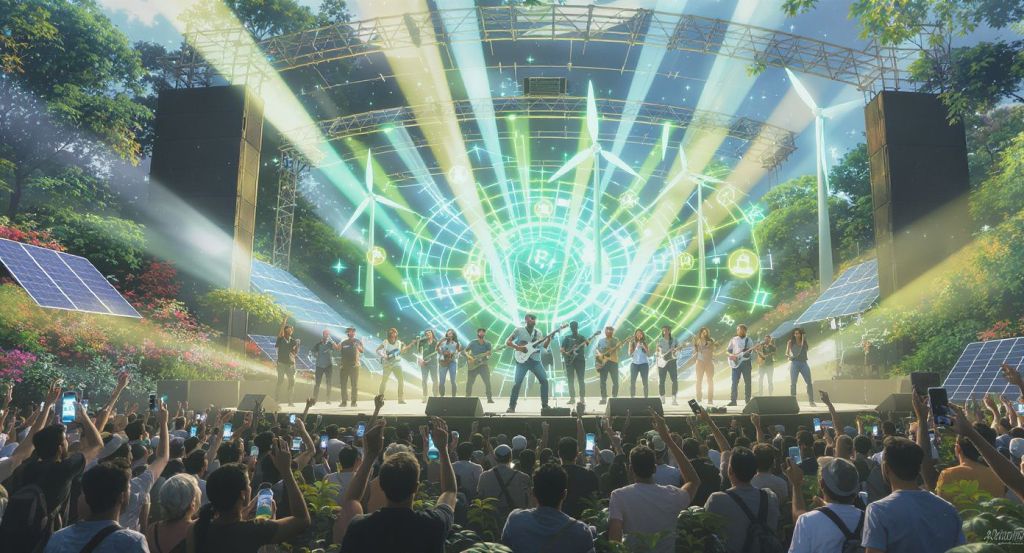
The music industry has long been celebrated for its creativity, emotional resonance, and ability to connect people across cultures. Yet, in recent years, the environmental impact of music—both in production and live events—has come under increasing scrutiny. From energy-intensive recording studios to massive touring logistics, musicians and industry professionals are beginning to confront the carbon footprint of their craft. Surprisingly, many artists are not just acknowledging the problem—they are taking a proactive role in shaping a greener future for music.
The Hidden Environmental Costs of Music
While the music itself may feel intangible, the ecosystem surrounding its creation is far from carbon-neutral. Touring, for instance, is notoriously resource-intensive. Consider transportation: large-scale tours involve hundreds of flights, trucks, and vehicles transporting equipment, crew, and merchandise around the globe. Stadium lighting, pyrotechnics, and massive sound systems consume enormous amounts of energy, often derived from fossil fuels. Even smaller venues, when aggregated across months or years, contribute significantly to environmental impact.
Recording and producing music also carries a footprint. High-powered studios require consistent heating, cooling, and electricity for equipment and digital storage systems. The growth of streaming platforms, while reducing the need for physical media, increases the energy required for server farms and data centers. Although streaming eliminates CDs and vinyl from the equation, the data infrastructure supporting millions of daily streams demands substantial electricity—an often overlooked component of the industry’s ecological cost.
Musicians as Environmental Advocates
In response to these challenges, many artists are pioneering environmentally conscious practices. Some musicians are designing tours with sustainability in mind: routing tours to minimize travel distances, using renewable energy sources at venues, and offsetting emissions through carbon credits. Others are rethinking the production process, opting for energy-efficient studio setups, digital instruments, and environmentally friendly packaging for physical releases.
Artists are also leveraging their platform to raise awareness. Songs, music videos, and campaigns increasingly highlight climate issues, urging fans to consider their own environmental impact. The rise of eco-conscious festivals, where sustainability is a central theme, reflects a growing cultural shift. For instance, festivals are implementing waste reduction programs, providing reusable water bottles, and collaborating with local communities to minimize ecological disruption.
Blockchain and Green Music Innovation
Interestingly, technological innovation in the music sector is also aligning with sustainability goals. Blockchain, for instance, is not just about digital ownership or NFTs; it can provide more efficient and transparent ways to track royalties and reduce waste in distribution. Platforms are experimenting with “green blockchain” solutions to minimize energy consumption while enabling secure digital transactions. This approach allows artists to monetize their work responsibly without the need for excessive physical production or energy-intensive intermediaries.
Readers interested in how digital ownership intersects with music and environmental responsibility may find our previous discussion on Music NFTs: Dead Hype or the Future of Ownership particularly enlightening. Here, the focus is not only on new revenue models but also on how such technologies could contribute to a more sustainable music ecosystem.
Similarly, our article From Carbon Footprints to Smart Contracts: Building a Greener Music Industry explores how blockchain and smart contracts can help quantify and reduce environmental impact, providing concrete examples of tech-driven solutions that both artists and venues can implement.
Practical Steps for Musicians
So, what can musicians do right now to reduce their ecological impact? Some key strategies include:
1. Touring Smarter: Plan efficient tour routes, combine multiple shows in nearby cities, and prioritize eco-friendly transport options.
2. Sustainable Merchandising: Use biodegradable, recyclable, or digitally distributed merchandise rather than plastic-heavy products.
3. Energy-Efficient Production: Adopt low-power recording equipment, optimize studio energy use, and explore virtual collaboration tools to reduce travel.
4. Offset Initiatives: Partner with carbon offset programs or invest in renewable energy credits to neutralize unavoidable emissions.
5. Fan Engagement: Educate audiences about sustainability, encourage eco-conscious behaviors at concerts, and integrate green messaging into campaigns.
By taking these steps, artists not only reduce their carbon footprint but also set a precedent for their fans and the wider industry, reinforcing a culture where creativity and responsibility coexist.
Why Environmental Responsibility Matters for Music’s Future
The intersection of music and environmental responsibility is not merely a trend—it reflects a necessary adaptation in a changing world. As climate concerns intensify, consumers increasingly expect industries to act responsibly. Musicians who lead by example enhance their cultural relevance while contributing to a sustainable future. In many ways, artists are uniquely positioned to inspire action: they communicate emotionally, influence behavior, and can make sustainability a part of the creative narrative.
Furthermore, the adoption of greener practices fosters innovation. Whether it’s leveraging blockchain for eco-friendly royalties or designing tours with minimal environmental impact, artists are exploring new business models that are both sustainable and profitable. This aligns with the broader digital and ecological evolution within the industry, bridging creativity, technology, and environmental stewardship.
Conclusion
Environmental responsibility in music is no longer optional—it is an essential consideration for artists, producers, and fans alike. By embracing sustainability, musicians can reduce their carbon footprint, inspire audiences, and participate in shaping a music industry that respects both people and the planet. The fusion of creative innovation with ecological awareness offers a promising blueprint: one where music continues to thrive while leaving a lighter footprint on the Earth.
The green revolution in music is already underway, and musicians are at its forefront. From innovative tour planning to leveraging digital technologies like blockchain, artists are proving that artistry and environmental responsibility can go hand in hand. For anyone following the intersection of music, technology, and sustainability, these efforts signal a transformative shift—one that could redefine how we produce, consume, and cherish music for generations to come.
 Tinytunes.app