
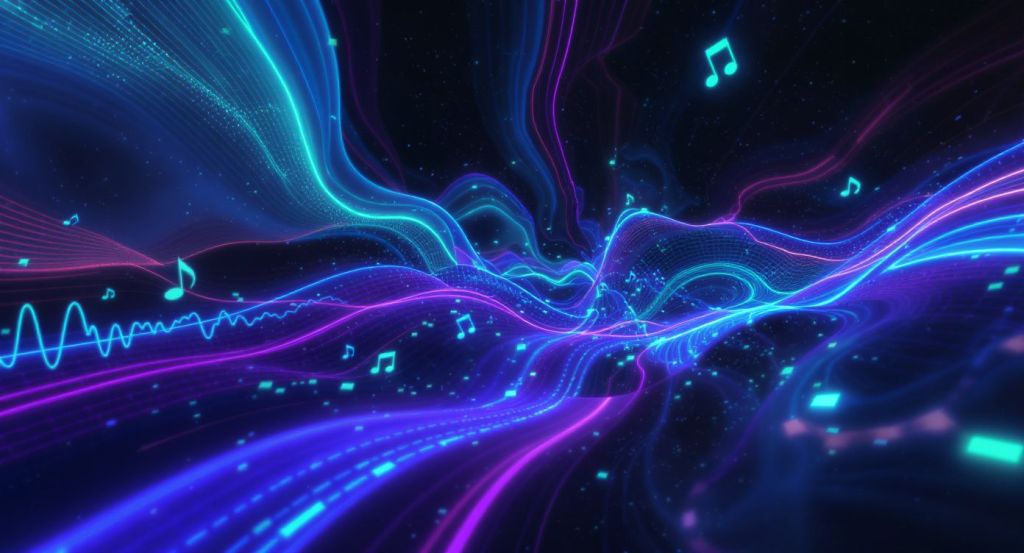
The relationship between music and visuals has always been intimate. For centuries, artists have sought to translate sound into imagery, whether through album art, stage design, or narrative music videos. But in recent years, a new frontier has emerged: artificial intelligence. AI-powered animation and generative video are allowing musicians, especially independent artists, to create captivating visual experiences for their songs without the need for expensive production teams or large budgets. The convergence of music and AI-driven visuals is not just a technological novelty—it’s reshaping how we perceive, create, and share music in the digital age.
AI as a Visual Composer
Generative AI tools can analyze the rhythm, tempo, and emotional tone of a track and produce visual content that mirrors its mood. For instance, a slow, melancholic piano piece might be paired with fluid, dreamy animations, while an upbeat electronic track could generate dynamic, colorful patterns that pulse in sync with the beats. Some AI platforms even allow the reverse process: feeding a visual sequence into the system, which then composes a complementary musical backdrop. This two-way interplay between audio and visual content opens new possibilities for artistic experimentation.
One prominent example is OpenAI’s MuseNet or AI video generators like Runway and Kaiber, which can create video clips based on song inputs. Artists upload their track, select a style—ranging from abstract digital art to realistic scenes—and the AI produces a clip that aligns with the music’s structure. Independent musicians who previously struggled to fund a professional video shoot can now present their songs visually, helping to engage audiences more effectively. Some experimental projects have even taken popular TikTok sounds or viral beats and transformed them into short AI-generated visuals, blurring the line between music consumption and visual storytelling.
Visuals Influencing Music Creation
Interestingly, the process can work in reverse. Visual prompts—whether they are drawings, short videos, or AI-generated images—can inspire musicians to compose tracks that complement the imagery. This cross-modal creativity fosters an iterative dialogue between sound and sight. For example, a musician might use an AI-generated futuristic cityscape as inspiration to produce synth-heavy electronic music that captures the ambiance of that environment. Conversely, visual artists can craft images specifically to match the flow of an existing track, producing a harmonious audiovisual experience that feels cohesive and intentional.
In my personal experience working with AI-generated images for articles, I noticed a similar effect. When creating visuals that correspond to music-themed content, the process of interpreting the mood of a song in a visual medium often sparks ideas for accompanying narrative or compositional choices. Even small tweaks in the imagery—like adjusting color temperature or adding motion—can influence how the story is perceived, reinforcing the idea that music and visuals are deeply interconnected.
The Democratization of Music Video Production
The accessibility of AI-generated visuals has democratized music video production in unprecedented ways. Independent artists no longer need access to large studios, expensive cameras, or professional editors to make visually compelling content. AI tools provide templates, style libraries, and automated rendering, which significantly reduce the time and effort required to produce a music video. This shift is particularly impactful in the era of short-form video platforms like TikTok, where visually striking content can quickly go viral, elevating songs to mainstream recognition. You can explore more on how short clips are reshaping the music industry in this article: The Power of TikTok: How Short Clips Are Shaping the Music Industry.
Beyond social media, AI-generated visuals are making their way into virtual concerts and immersive experiences. Musicians can now perform alongside AI-created backgrounds that react in real-time to live music, creating a mesmerizing fusion of audio and visual performance. This technological leap extends the concept of the traditional concert, merging it with interactive digital art and redefining audience engagement.
Challenges and Ethical Considerations
Despite the excitement, there are challenges. AI-generated visuals can sometimes produce uncanny or inconsistent results, requiring human oversight to maintain coherence. Additionally, questions about copyright and ownership arise: if an AI generates a video based on someone else’s song or visual style, who holds the rights to the resulting work? Musicians and visual artists must navigate these legal and ethical waters carefully. Moreover, while AI enables the creation of impressive visuals, it cannot yet replicate the nuanced human touch in storytelling, emotion, or improvisation. Balancing AI efficiency with artistic authenticity remains a key consideration.
A Look Toward the Future
The integration of AI in music video production is more than a temporary trend; it signals a fundamental shift in how we experience music. As tools become more sophisticated, we can expect an increasing number of AI-generated videos that are indistinguishable from those created by human directors. Artists will continue experimenting, blending AI visuals with live-action footage, animation, and interactive elements to craft experiences that are immersive, personalized, and emotionally resonant.
Ultimately, AI-generated music visuals are part of a broader conversation about the digital future of music. From virtual instruments to algorithmic compositions, technology is expanding the palette for creators, while audiences benefit from richer, more engaging content. The interplay of sound and image, powered by AI, allows us to experience music in new dimensions—making every beat not just heard, but seen. For further exploration on how music shapes our emotional landscapes, you can dive into this article: Music and Memory: How Songs Become the Soundtrack of Our Lives.
As AI continues to evolve, one thing remains certain: the boundary between music and visual art is becoming increasingly fluid. For artists and audiences alike, this means richer storytelling, more immersive experiences, and the thrill of discovering how music can truly be seen.
 Tinytunes.app