
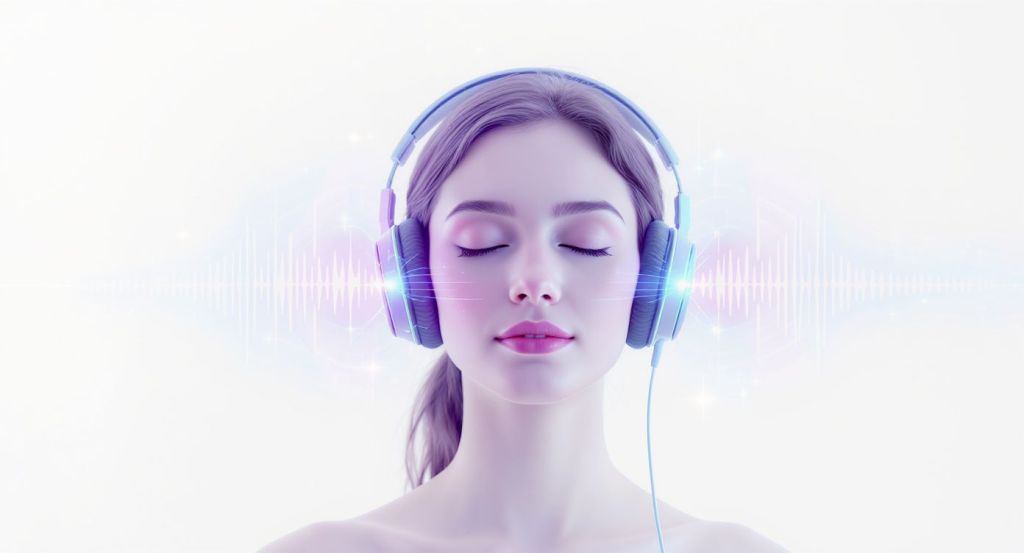
In a world where stress and overstimulation have become daily companions, music is stepping into a brand-new role — not just as entertainment, but as therapy. Scientists, engineers, and artists are joining forces to explore how sound frequencies can heal, focus, and restore balance. Welcome to the age of sound therapy, where technology meets the ancient power of vibration.
The Science Behind Sound Healing
Sound therapy is not a new concept — ancient cultures used drums, flutes, and chanting to calm the mind and harmonize the body. But what’s new today is the scientific understanding of how sound affects our brain.
When we listen to music, our neurons fire in sync with the rhythm, producing measurable effects on mood and physiology. Certain frequencies can reduce cortisol (the stress hormone), while others enhance dopamine production — the “feel-good” chemical.
Modern researchers have even mapped specific brainwave states linked to sound:
• Delta waves (1–4 Hz): Deep sleep and restoration 💤
• Theta waves (4–8 Hz): Meditation and creativity
• Alpha waves (8–14 Hz): Relaxed focus
• Beta waves (14–30 Hz): Alertness and problem-solving
Sound therapy works by using these frequencies to guide the brain into desired states. That’s why the right playlist can make you sleepy, focused, or inspired within minutes.
How Technology Is Reinventing Relaxation
Today’s sound therapists no longer rely on tuning forks and Tibetan bowls alone. Thanks to technology, healing frequencies are being woven into everyday life.
• Sleep apps like Calm or Endel generate adaptive soundscapes that respond to your breathing and heart rate, helping users drift into deeper rest.
• Focus-enhancing playlists on Spotify and YouTube use binaural beats — slightly different tones in each ear — to create brainwave synchronization for productivity.
• AI-driven sound generators craft personalized sonic environments that react to your stress level in real time.
This merging of neuroscience and music technology is transforming how we manage anxiety, insomnia, and burnout — not through medication, but through vibration.
If you’re curious how music continues to influence our emotional landscape, take a look at Sound and Emotion: How Music Influences Our Mental State. It’s a deep dive into how rhythm, melody, and harmony shape our inner world.
From Hospitals to Headphones: Sound Therapy Goes Mainstream
What once belonged to wellness studios and spiritual retreats is now finding its place in hospitals and clinical research centers. Studies show that patients who listen to soothing music before surgery require less anesthesia and recover faster. In mental health therapy, sound sessions are being used to reduce symptoms of depression and PTSD.
But the biggest shift is happening in personal technology.
Modern headphones, such as noise-canceling and spatial-audio models, are giving people unprecedented control over their acoustic environment. These devices don’t just deliver cleaner sound — they allow users to design their state of mind.
To learn more about this evolution, check out In Your Ears: How Modern Headphones Are Changing the Way We Experience Music. You’ll discover how design, AI, and psychology merge to make listening more immersive and therapeutic than ever before.
AI, Frequency, and the Future of Healing
The next frontier of sound therapy lies in artificial intelligence. Imagine your smartwatch detecting rising stress and automatically playing a tailored sound frequency to calm your nervous system. Or a VR meditation session that synchronizes visual patterns with your heartbeat and breathing.
Startups and research labs are already experimenting with:
• Neuroacoustic algorithms that adjust music in real time to influence mood.
• AI-generated “digital shamans” — virtual guides that use voice modulation to induce relaxation.
• Therapeutic metaverse environments where users experience guided sound journeys.
These innovations point to a fascinating future where music becomes medicine — precise, data-driven, and deeply personal.
Listening With Purpose 🎶
What makes sound therapy truly transformative isn’t just the science — it’s the intention. Whether you’re tuning into binaural beats for focus, ocean waves for sleep, or ambient drone music to decompress, the key is mindful listening.
Think of sound as nourishment for your nervous system. Just as you choose what to eat, you can choose what to hear — and in doing so, shape your energy, emotions, and even health.
As we continue to explore the boundaries between art and neuroscience, one thing becomes clear: the future of wellness might not come in a pill, but in a playlist.
 Tinytunes.app