
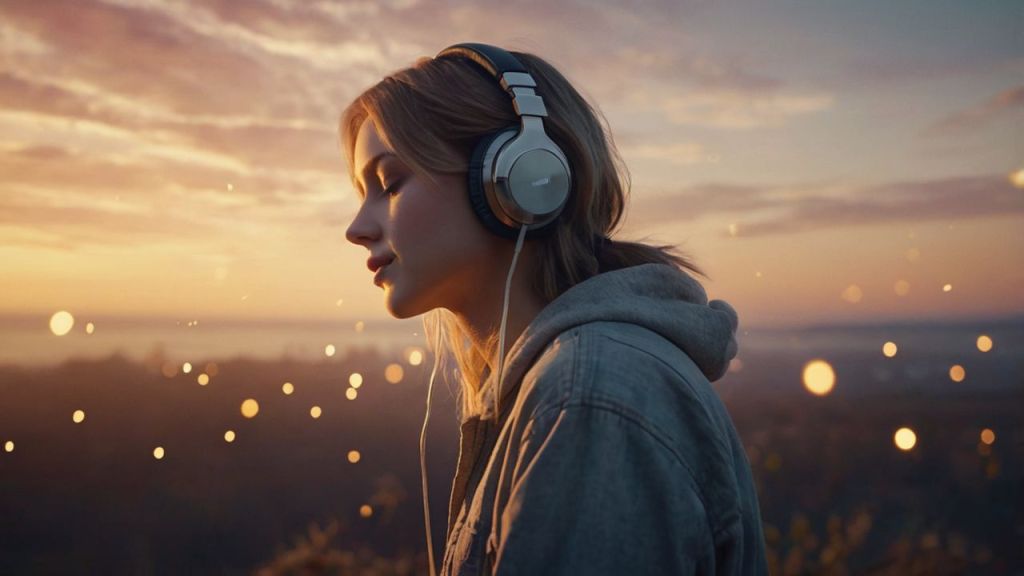
There’s something almost magical about how a single song can transport you back in time. A few familiar notes, and suddenly you’re 17 again, driving with the windows down, laughing with friends you haven’t seen in years. Music doesn’t just play in the background of our lives — it records them.
Every rhythm, lyric, and melody leaves a trace in the mind, turning into a bridge between who we were and who we’ve become.
The Science of Musical Memory
Music engages more parts of the brain than almost any other human activity. When you listen to a song, the auditory cortex translates sound waves into patterns; the hippocampus links them with memories; the amygdala tags them with emotion.
That’s why you don’t just remember a song — you feel it.
Researchers have found that the connection between music and memory is especially strong when emotions are involved. A song that played during your first heartbreak or your happiest trip becomes encoded along with those emotional memories. Later, hearing it again activates the same neural networks, reviving sensations that seem long gone.
That’s also why songs can stay stuck in your head — looping without permission. If you’ve ever wondered why that happens, we explored the phenomenon in Why That Song Won’t Leave Your Head: The Science Behind Earworms.
Why Teenage Songs Feel Eternal
Have you ever noticed that your favorite songs from your teenage years never lose their power? Psychologists call this the “reminiscence bump.” During adolescence and early adulthood, our brains are at their peak for forming emotional memories.
Everything feels more intense — love, loss, freedom — and the music we hear in that period becomes permanently linked to our sense of identity.
So when an old track from high school plays, it doesn’t just trigger nostalgia — it reignites the version of you who first heard it. That’s why no matter how much your taste evolves, those early songs feel like “home.”
How Music Becomes a Personal Archive
Our brains store memories in networks of association — smells, images, and sounds all intertwined. Music acts as a powerful retrieval cue, pulling whole scenes out of storage. A few chords can reopen doors you didn’t even realize were closed.
Some songs become emotional bookmarks: the lullaby your mother sang, the first dance at your wedding, the song that got you through a hard breakup. Each piece of music freezes a moment in emotional amber. Listening again is like replaying the past — not just remembering it, but reliving it with all senses awake.
That’s why people with memory loss or Alzheimer’s often respond to music even when other memories fade. The parts of the brain that process music remain remarkably resilient. Sometimes, a familiar song can awaken recognition, spark a smile, or even bring back the ability to speak.
Music as Therapy for the Present
We usually think of music as something that connects us to the past, but it can also shape our present.
Choosing a playlist is an act of emotional regulation — a way to steer mood, process feelings, or create space for healing. Calming music can reduce anxiety; upbeat rhythms can restore energy; melancholic melodies can help release sadness instead of burying it.
When you use music intentionally, it becomes more than entertainment — it’s self-therapy.
By revisiting certain songs consciously, you can reframe old emotions, transform how you relate to your memories, and even rewrite the stories you tell yourself about your past.
The Soundtrack You Create Every Day
Think of your life as a film in progress. Every day adds new scenes — and a new soundtrack. The songs you’re drawn to now will one day become memories too, carrying traces of who you were at this exact moment.
So listen carefully, not just for the beat but for what your music is teaching you about yourself. The tracks that comfort, challenge, or energize you are clues to what you need most right now.
And the next time an old song suddenly hits you in the chest, don’t rush to skip it. Let it play.
That melody isn’t haunting you — it’s reminding you that your life has always had a rhythm, and it’s still unfolding, note by note.
 Tinytunes.app