
In the competitive landscape of modern commerce, B2B lead generation services by industry have evolved from being a mere sales support function to becoming the strategic heartbeat of entire organizations. No longer is lead generation about generic mailing lists or cold outreach. Today, it’s a sophisticated process that relies on industry insight, data analytics, and personalized engagement models that resonate with distinct buyer personas. From tech startups seeking enterprise clients to manufacturers targeting niche distributors, the art of finding and nurturing business leads has become a science of precision and relevance.
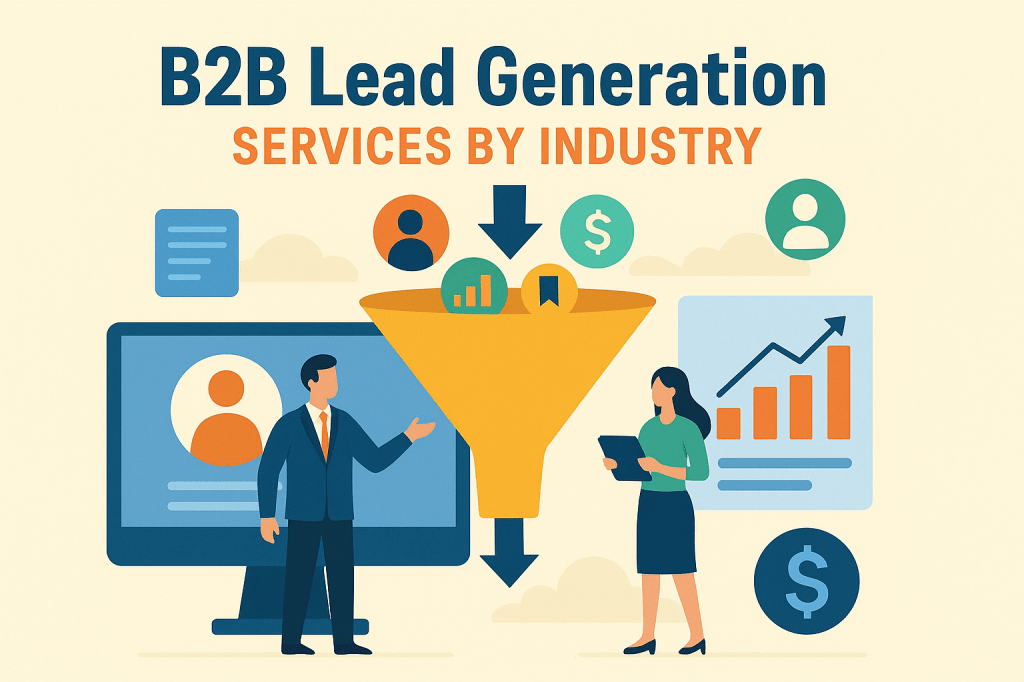
The truth is, not all industries approach lead generation the same way. What works for a SaaS company rarely suits a logistics firm. This realization has pushed agencies and in-house marketing teams to tailor their outreach strategies, technologies, and KPIs according to each sector’s dynamics. Industry-specific lead generation means understanding not only who your audience is, but why they buy, how they evaluate vendors, and what triggers their decision-making.
The Shift from Quantity to Quality
In earlier years, businesses measured lead generation success by volume: how many contacts were added to a CRM per week. But this “spray and pray” approach proved costly and ineffective. The current trend across industries favors quality and qualification. A single well-researched lead that converts into a loyal client is now more valuable than a hundred cold prospects who never respond.
Take the software-as-a-service (SaaS) industry as an example. SaaS buyers are typically analytical, time-constrained decision-makers who evaluate solutions through demos, case studies, and ROI projections. For them, effective lead generation means content-driven nurturing — webinars, comparison guides, and free trials that demonstrate expertise and reduce perceived risk. Contrast this with the construction or manufacturing sector, where relationships and trust still dominate over digital automation. Here, trade shows, direct referrals, and industry directories continue to play a major role, supported by digital tools rather than replaced by them.
Data-Driven Personalization Across Sectors
The backbone of modern lead generation is data. However, the way data is interpreted varies dramatically by industry. In financial services, lead generation relies heavily on compliance and credibility — meaning every outreach message must pass regulatory scrutiny while still sounding personal and relevant. Healthcare lead generation, on the other hand, must balance sensitivity with authority. Providers, clinics, and medical equipment suppliers require lead gen services that respect patient confidentiality laws (such as HIPAA) while maintaining transparency about product efficacy and value.
Meanwhile, in industries like real estate and logistics, timing is everything. A potential buyer might show interest only once per year, making it crucial to maintain consistent yet non-intrusive follow-up communication. This is where AI-enhanced tools, CRM automation, and predictive analytics have made a difference — not by replacing human judgment but by refining it.
The Role of Technology in Industry-Specific Lead Generation
While technology has leveled the playing field, it has also made competition fiercer. Marketers now use advanced platforms to identify and score leads based on intent signals — from website behavior to social media engagement. Yet the real innovation lies in how these tools are adapted for different industries.
For example, in the technology sector, intent data can predict which companies are actively seeking cloud migration solutions or cybersecurity upgrades. In manufacturing, sensors and IoT data can reveal operational pain points that signal readiness for new machinery. For professional services such as consulting or law, predictive analytics helps identify firms facing compliance changes or mergers — both strong lead indicators.
However, no software can replace genuine human interaction. A lead generation agency that understands an industry’s culture — the language its buyers speak, the conferences they attend, and the publications they read — holds a unique advantage. That’s why many successful B2B marketers now specialize narrowly, choosing to serve one or two verticals deeply instead of spreading themselves thin.
Case in Point: Industry-Centric Campaign Design
Consider a campaign for renewable energy providers. A generic outreach might highlight cost savings or sustainability metrics, but an industry-aware approach would go deeper — referencing government incentives, regional energy policies, and sector-specific challenges like grid integration. Similarly, a campaign for B2B fintech firms might focus on compliance automation or payment security, aligning the message with pain points that financial decision-makers actually face.
These nuances make the difference between a lead who ignores your email and one who books a demo. The key insight? Relevance builds trust, and trust converts.
Building Long-Term Value Through Industry Expertise
Another defining trend is the rise of partnership-based lead generation. Instead of short-term campaigns aimed at quick wins, companies increasingly invest in long-term collaboration with agencies that understand their industry ecosystem. These partnerships allow continuous optimization — refining audience profiles, content formats, and outreach timing based on evolving market feedback.
In industries like education technology or B2B healthcare, where sales cycles can stretch over months or even years, this consistency is critical. A one-off campaign might capture initial interest, but sustained engagement nurtures trust and familiarity, which ultimately drives purchase decisions.
The Future of B2B Lead Generation: Specialization and Storytelling
As digital transformation accelerates, industries are becoming more interconnected yet more complex. This paradox requires lead generation services that combine specialization with storytelling. Buyers are not persuaded by features alone; they’re drawn to narratives that show how a product fits into their operational reality.
In 2025 and beyond, successful B2B lead generation services by industry will depend on blending data intelligence with emotional intelligence. Marketers will need to interpret behavioral signals not just as numbers, but as human intent. AI tools will continue to evolve, but the industries that thrive will be those where empathy, insight, and expertise converge.
Read also:
 Tinytunes.app