
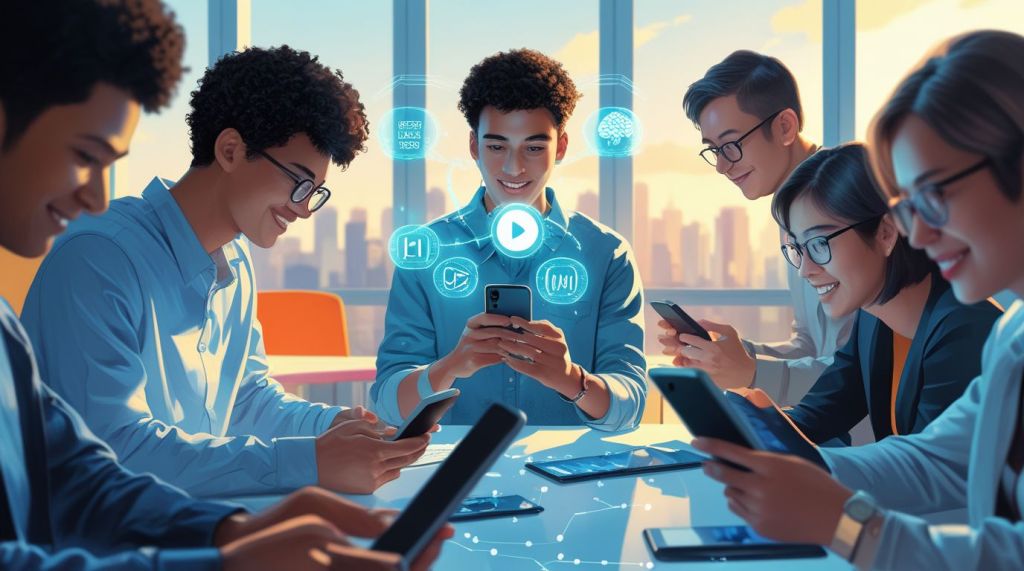
Education has never stood still. From chalkboards to smartboards, every generation has witnessed new tools that redefine how we learn. Yet few innovations have reshaped education as profoundly as mobile technology. What was once a device for calls and messages has turned into a personal learning hub that fits right in your pocket.
Learning Without Borders
One of the most powerful aspects of mobile technology is accessibility. Today, a student in a small town can access the same learning materials as someone studying at a top university. All it takes is a smartphone and an internet connection. Mobile learning has erased the traditional barriers of time and location. Whether you’re waiting for a bus, having lunch, or relaxing in bed, learning can happen anywhere and anytime.
This shift has opened new doors for people of all ages. Working professionals use their phones to complete micro-courses on Coursera or LinkedIn Learning. Teenagers master languages through apps like Duolingo, while children explore math and science through interactive games. The idea that education only happens within the walls of a classroom is quickly becoming outdated.
Personalized and Interactive Learning
Traditional learning often follows a one-size-fits-all model. Mobile education, on the other hand, is deeply personal. Algorithms can now adapt to your progress, preferences, and even your mood. Apps track your achievements and tailor new lessons to your level, helping you stay motivated without feeling overwhelmed.
Gamified experiences also play a crucial role. Points, badges, and streaks transform learning into something engaging and fun. When education feels like a game, people naturally want to keep going — and that’s the secret behind the success of many popular learning apps.
The Role of Educational Apps
There’s now an app for almost everything — from languages and coding to psychology and art history. They combine video lectures, quizzes, podcasts, and flashcards in one place, making self-education simple and engaging.
Some of the most widely used tools are already well known. For example, Duolingo makes language learning accessible to everyone, while Khan Academy provides free resources across multiple subjects. Coursera connects learners to world-class universities, and Quizlet helps students memorize information efficiently. For more about these and other great tools, check out this detailed article on helpful Android learning apps.
Bridging the Digital Divide
Of course, not everyone has equal access to technology. The so-called “digital divide” still affects millions of people around the world. But interestingly, mobile phones are narrowing that gap faster than any other device. Smartphones are far more affordable than laptops, and mobile data networks reach areas where traditional infrastructure doesn’t. As a result, millions of learners in developing regions now have a chance to study, connect, and grow.
Challenges of Mobile Learning
Despite the benefits, mobile learning isn’t without its challenges. Constant notifications can easily distract students. Screen fatigue, eye strain, and reduced focus are common issues. There’s also the question of credibility — not every app or course offers verified content or recognized certification.
To make the most of mobile learning, users need digital literacy skills: the ability to evaluate information critically, stay focused, and manage time wisely.
The Future of Education Is in Your Hands
Mobile technology has transformed learning into an ongoing, flexible, and personalized experience. It has turned education into something that travels with you — literally. As artificial intelligence continues to evolve, future apps will become even more adaptive, analyzing not only what you learn, but how you learn best.
We are entering an age where lifelong education is no longer a luxury; it’s a daily habit. The classroom now fits in your pocket, and the teacher is available 24/7 — ready whenever curiosity strikes.
 Tinytunes.app