
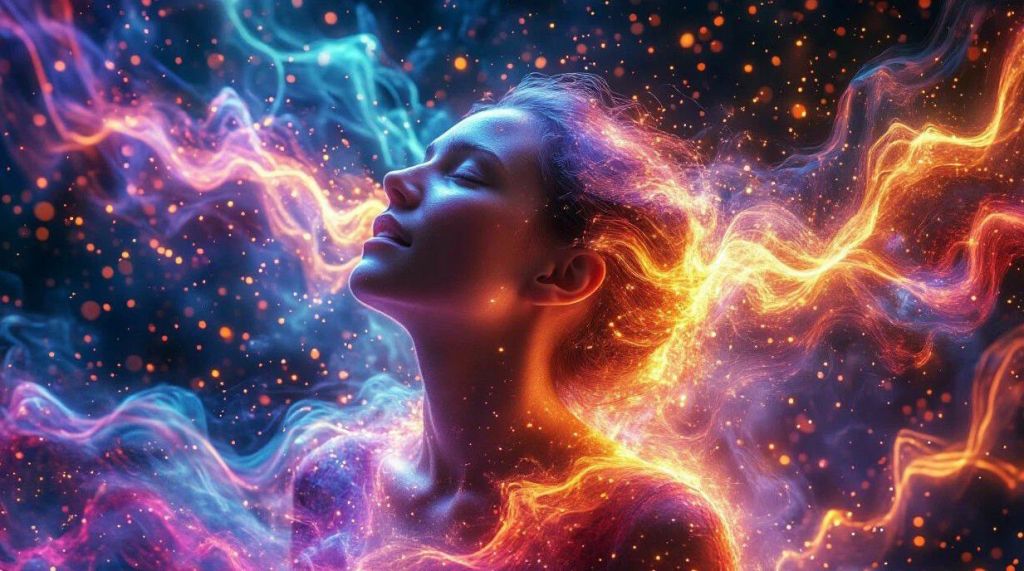
There’s something almost magical about being in a crowd, surrounded by sound, lights, and thousands of people who all sing the same lyrics.
It’s not just music — it’s a shared heartbeat.
But what exactly happens to our mind and body during live performances that makes them feel so alive?
Let’s dive into the fascinating psychology behind festivals and the collective power of sound.
🎶 1. The chemistry of joy: music as a natural high
When we listen to live music, our brain releases a cocktail of feel-good chemicals — dopamine, oxytocin, and endorphins.
That’s why you can feel pure euphoria when the beat drops or when your favorite artist steps onto the stage.
Unlike recorded tracks, live music engages multiple senses — sight, sound, vibration, even touch — creating a **multi-sensory reward** that the brain interprets as deeply pleasurable.
It’s the same mechanism that explains why people can feel “high” without any substances — the body literally floods itself with happiness hormones.
💓 2. The power of belonging
Festivals are not just concerts — they’re temporary communities.
Thousands of strangers dance, sing, and experience emotions together, forming a powerful sense of belonging that psychologists call collective effervescence.
This shared energy is ancient. It’s the same phenomenon that made humans gather around fires, dance in rituals, and celebrate life long before the word “festival” existed.
At that moment, you stop being “me” — you become “us.”
That’s why even introverts often describe festivals as deeply emotional and liberating experiences.
🔊 3. Rhythm and resonance: why sound moves us physically
Music doesn’t just reach our ears — it resonates through our entire body.
The low frequencies of drums and bass literally sync with our heartbeat, creating a rhythm that aligns with our internal tempo.
This physical connection makes us move, dance, jump — often without thinking.
Our brains are wired for rhythm: neuroscientists have found that group movement, like dancing in sync, increases trust and social bonding.
So yes, when you lose yourself in the crowd — that’s biology, not chaos.
🧠 4. Escaping routine, embracing freedom
At a festival, time feels different.
There’s no 9-to-5, no deadlines — just sound, movement, and light.
Psychologists call this state “flow” — a moment when you’re fully absorbed in what’s happening, free from self-consciousness or worry.
In this state, people report higher levels of happiness, creativity, and emotional release.
Live music acts like a reset button for the mind: it helps us let go of daily stress and reconnect with our authentic self.
🌍 5. How festivals amplify the experience
Music alone can trigger strong emotions — but festivals amplify everything.
The visuals, community, and immersive atmosphere create a space where art becomes a collective experience rather than individual entertainment.
That’s one reason why festivals have become more global and inclusive than ever.
They’re not just about the music anymore — they’re about connection, sustainability, and emotional rebirth.
We explored this global transformation in detail in our article The Global Expansion of Music Festivals: How New Stages Are Shaping Tomorrow’s Sound.
Together, these two stories — the psychology of live music and the evolution of festivals — show why the modern stage has become humanity’s emotional playground.
💫 6. Why it matters now more than ever
In an age of screens and isolation, live music offers something irreplaceable — real connection.
It reminds us that we’re human: emotional, spontaneous, and wired for shared experience.
Every cheer, every bass drop, every chorus we sing together — it’s not just sound.
It’s our collective heartbeat echoing across the crowd.
And maybe that’s why, no matter how advanced technology becomes, nothing will ever replace the simple, raw magic of live music.
🌈 Final note
Next time you find yourself at a concert or festival, pay attention to what’s really happening — not just around you, but inside you.
That flutter in your chest, the goosebumps, the tears, the laughter — it’s your brain and heart remembering what it feels like to be truly alive.
 Tinytunes.app