
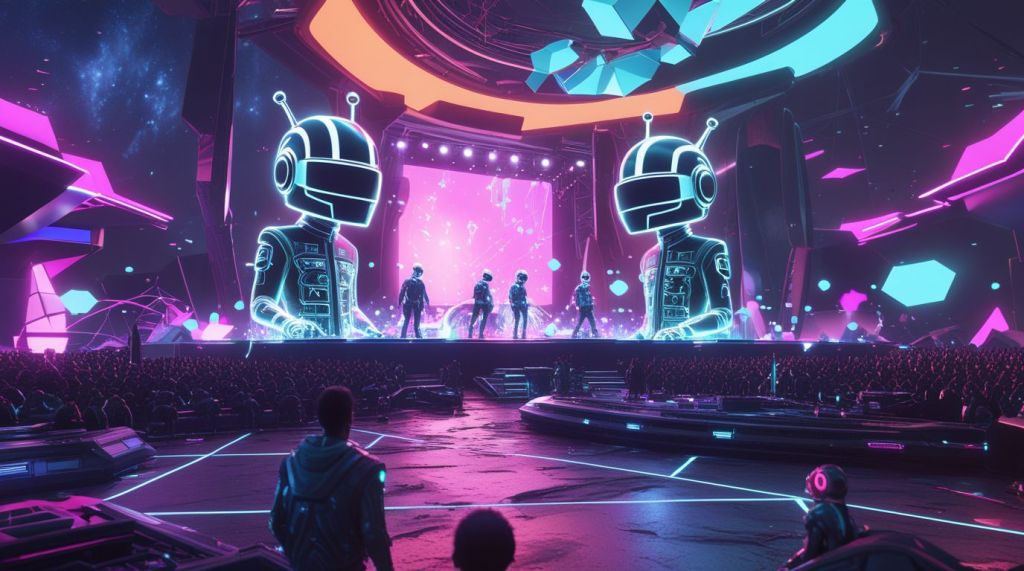
The line between live music and digital experience has blurred dramatically in the last few years. What once felt like a novelty—musicians appearing inside a video game—has quickly become a powerful frontier for fan engagement and industry innovation. The announcement of Daft Punk’s new collaboration with Fortnite is more than just a headline; it is a glimpse into where music may be heading.
From Concert Stages to Virtual Arenas
When Travis Scott staged his 2020 Fortnite event, millions of players tuned in to watch a surreal digital performance. That moment proved two things: first, video games are not just play spaces but cultural gathering points; second, music can be experienced in ways unbounded by physical reality. Daft Punk entering the Fortnite universe continues this trajectory. Instead of being limited to stage lights and sound systems, fans are invited to co-create remixes, interact with visuals, and share the experience with a global community simultaneously.
Why Virtual Music Experiences Matter
For artists, the shift opens a new canvas. Virtual platforms allow:
• Creative freedom: impossible stage designs, physics-defying effects, interactive remixes.
• Global reach: no tickets, no geography—anyone with an internet connection can attend.
• New monetization models: virtual skins, collectibles, exclusive remixes sold within digital economies.
For fans, this redefines participation. Instead of being a passive observer, a listener can become a collaborator, engaging directly with the artist’s vision.
The Business of Immersion
Gaming platforms like Fortnite are no longer sidelines; they are ecosystems with massive built-in audiences. By merging music with these worlds, labels and artists tap into both entertainment and commerce. Digital-only merch drops, limited NFT-style items, and in-game access codes for exclusive tracks are all examples of how this model reshapes revenue streams. The partnership between Daft Punk and Fortnite highlights how the future may depend less on ticket sales and more on interactive economies.
Risks and Questions
Of course, innovation brings challenges. Will virtual experiences replace traditional live concerts, or will they complement them? How will licensing, royalties, and ownership be managed when fan-created remixes circulate? And most importantly, will audiences embrace digital events long-term, or will they crave the irreplaceable energy of physical crowds?
A Hybrid Future
The most likely outcome is not a replacement of live shows but a blending. Just as streaming did not kill radio but transformed listening habits, virtual platforms may redefine performance without erasing traditional concerts. Artists like Daft Punk are paving the way for a hybrid industry—one that thrives in both stadiums and servers.
Read our earlier articles:
• Spotify’s Battle Against AI-Generated Fake Music: A Deep Dive into the Streaming Giant’s Efforts
• Beatles vs Rolling Stones: How Two Legends Upended Music
 Tinytunes.app