
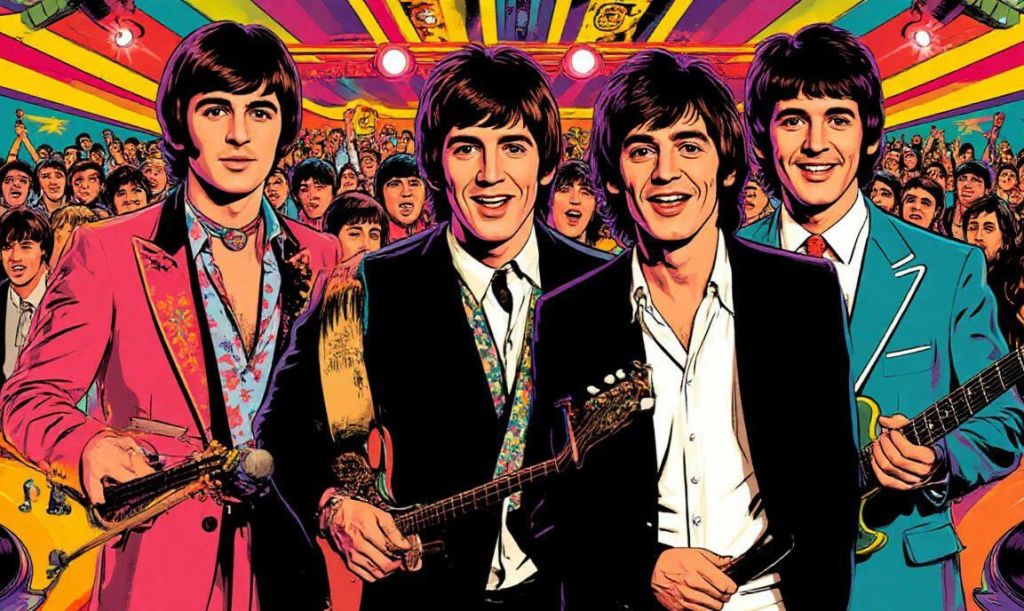
Have you ever had to choose between refinement and rebellion? Between polished craft and raw, untamed energy? That’s how the timeless rivalry between The Beatles and Rolling Stones looks — two bands that didn’t just define rock, they created whole philosophies of music.
Two Sides of the British Revolution
The 1960s: Britain is emerging from postwar recovery, youth are searching for new ideals, and music becomes the language of a generation.
• The Beatles — four lads from Liverpool who transformed pop into an art form. Their progression from simple tunes to the ambitious experiments of Sgt. Pepper’s was a masterclass in reinvention.
• Rolling Stones — London’s rebels, steeped in black American blues. If The Beatles leaned toward studio innovation, Stones lived on stage, sweat, raw sexuality, and endless touring.
(By the way: there wasn’t much personal hatred between the groups — George Harrison even recorded with the Stones. So much for “rivalry.”)
What Did Each Change?
It’s a debate without a definitive winner — but here’s what each band brought to the table:
• The Beatles changed everything: the sound of rock, the recording process, and how albums are conceived. They proved that popular music can have depth, complexity, and artistic ambition.
• Rolling Stones showed that rock isn’t just music — it’s a lifestyle. They didn’t just play songs, they embodied rebellion and attitude. And their longevity? Mick Jagger in his eighties still carries that fiery presence.
The Albums That Blew Up the Norm
Here are some of the landmark albums that shifted the music landscape:
The Beatles
• Revolver (1966) — when the band stepped away from straightforward pop. Indian influences, studio experimentation, a brave leap.
• Abbey Road (1969) — a perfectly constructed album where each song flows into the next; the B-side medley is often hailed among the greatest stretches of rock music ever.
Rolling Stones
• Beggars Banquet (1968) — a return to roots, but with sharp songwriting and formidable confidence. “Sympathy for the Devil” as part of that record is pure rock mythos.
• Exile on Main St. (1972) — a double album born in difficult circumstances, raw and messy but absolutely iconic in its dirt and soul.
Their Influence Echoes Everywhere
Without The Beatles and the Stones:
• There might not have been Oasis, trying to harness Beatles-style melody and swagger.
• Bands like Aerosmith, who soaked in the Stones’ bravado and stage attitude, might sound very different.
• Many modern indie acts would lack the DNA of experimentation (from The Beatles) or raw energy (from the Stones).
So Who “Won”?
There’s no single answer. Because the true victory is this: fifty, sixty years later, people are still listening. Still debating legacy. Still inspired by both perfection and grit.
Which side speaks to you more — The Beatles’ polished innovation or The Rolling Stones’ unrestrained energy? It might depend on the moment.
 Tinytunes.app