
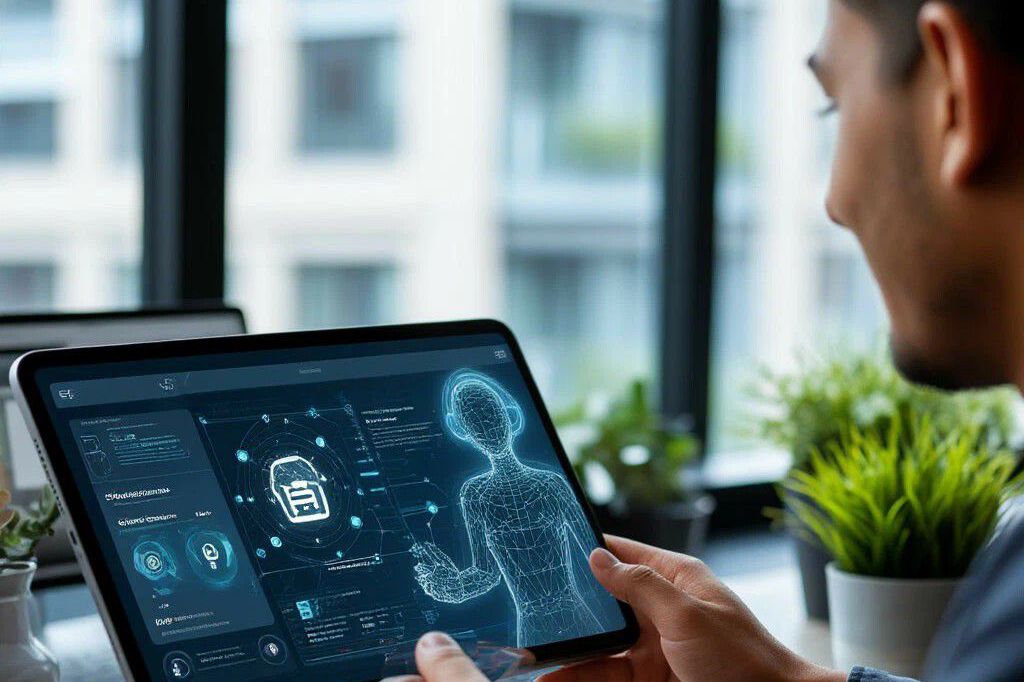
In the fast-evolving world of mobile technology, apps have become an essential part of our daily lives. From entertainment to productivity, mobile applications continue to transform how we interact with the digital world. One of the most exciting advancements in recent years is the integration of Artificial Intelligence (AI), particularly in the form of AI-powered personal assistants within mobile apps.
While many associate AI assistants with popular names like Siri, Alexa, or Google Assistant, the scope of AI in mobile apps goes far beyond voice commands and simple tasks. Today, AI-driven personal assistants are becoming smarter, more intuitive, and increasingly embedded in various apps—offering personalized experiences that revolutionize user interaction. Let’s dive into how AI-powered personal assistants are reshaping mobile apps beyond the realm of music.
What Exactly Are AI-Powered Personal Assistants? 🤔
AI-powered personal assistants are software agents that use artificial intelligence to perform tasks, provide recommendations, and interact with users in a natural, conversational way. Unlike traditional apps that require manual inputs, AI assistants learn from user behavior, preferences, and contextual data to deliver personalized and proactive assistance.
Key capabilities include:
• Natural Language Processing (NLP): Understanding and responding to human language naturally.
• Machine Learning (ML): Continuously improving based on user data and interactions.
• Context Awareness: Adapting responses based on time, location, and user habits.
These features enable AI assistants to do more than just follow commands—they anticipate needs and act proactively.
AI Assistants: From Music Players to Everyday Life Enhancers 🎶➡️🏠
While music streaming apps like TinyTunes often feature AI to recommend songs based on listening habits, AI assistants today power a diverse range of mobile apps that help users in many aspects of life:
1. Productivity and Time Management ⏰
Apps like Microsoft’s Cortana or Google Assistant can schedule meetings, set reminders, and manage to-do lists with voice commands. Newer AI assistants are integrated within project management tools to analyze workload, suggest priorities, and even predict delays.
2. Health and Wellness 🏃♀️🍏
AI assistants in fitness and health apps track users’ activity, provide personalized workout plans, and offer real-time coaching. Apps like Fitbit or MyFitnessPal incorporate AI to analyze user data and suggest diet plans or exercise routines tailored to individual goals.
3. Shopping and Finance 🛒💳
Personal finance apps use AI assistants to monitor spending habits, suggest budgeting strategies, and even predict future expenses. E-commerce apps leverage AI to recommend products based on browsing history and preferences, making shopping more intuitive and personalized.
4. Travel and Navigation 🌍✈️
AI assistants help plan trips, find optimal routes, and offer real-time updates on traffic or flight changes. Apps like Google Maps have evolved from simple navigation tools to proactive travel companions that suggest stops, restaurants, and attractions based on user interests.
How AI Enhances User Experience in Mobile Apps ✨
Personalization Like Never Before
AI personalizes app content to fit each user uniquely. For example, instead of generic notifications, AI can send reminders at optimal times or suggest content aligned with a user’s mood or routine.
Increased Efficiency and Convenience
Tasks that once required multiple steps can now be completed through simple voice commands or automated processes. This efficiency saves time and reduces cognitive load, making apps more accessible and enjoyable.
Continuous Learning and Adaptation
AI assistants evolve by learning from ongoing interactions. The more you use them, the better they understand your preferences and habits, leading to smarter suggestions and improved functionality over time.
Challenges and Considerations ⚠️
Despite the many benefits, the rise of AI-powered personal assistants in mobile apps also brings challenges:
• Privacy Concerns: Collecting and processing personal data raises important questions about user consent and data security. Developers must ensure transparency and robust protection measures.
• Dependency Risks: Overreliance on AI can lead to reduced human problem-solving skills or privacy complacency. Balance is key.
• Bias in AI: AI systems trained on biased data can perpetuate stereotypes or provide unfair recommendations, highlighting the need for ethical AI design.
What’s Next? The Future of AI Personal Assistants in Mobile Apps 🚀
The future looks promising. Emerging technologies like Natural Language Generation (NLG), emotion recognition, and multimodal interactions (combining voice, gesture, and facial recognition) will make AI assistants even more intuitive and human-like.
Imagine an assistant that not only understands your words but also senses your mood and adapts accordingly, making mobile apps feel less like tools and more like companions.
Conclusion 💡
AI-powered personal assistants are no longer just futuristic concepts; they are here, integrated into many mobile apps transforming everyday life. From managing tasks and health to enhancing entertainment and shopping experiences, AI is creating smarter, more personalized, and efficient apps that truly understand users.
As AI continues to evolve, the possibilities for mobile apps are endless. Embracing these technologies today means stepping into a future where our digital assistants become indispensable partners in our daily lives.
Thank you for reading! If you enjoyed this article, feel free to share your thoughts or questions in the comments below. Let’s explore the future of AI together! 🤖💬
 Tinytunes.app