
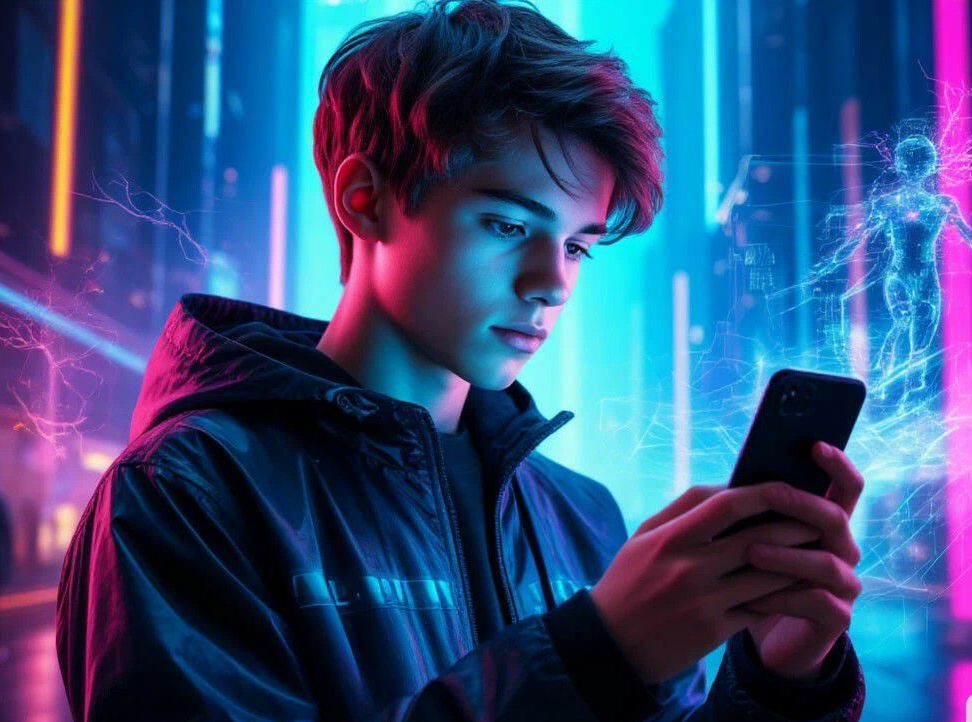
Storytelling has always evolved with technology — from printed books to cinema, from television to streaming platforms. But in the age of smartphones, we are witnessing a new chapter: short-form, mobile-first storytelling designed for the vertical screen. And now, with the rise of artificial intelligence, these bite-sized narratives are about to transform again.
From Static Stories to Interactive Worlds
Short-form mobile content — from 60-second dramas to episodic micro-series — has already captivated Gen Z audiences. Platforms offering vertical fiction apps make it possible to experience a complete emotional arc in just a few swipes (discover how these apps hook Gen Z here).
AI is set to take this engagement further. Instead of passively consuming pre-made episodes, viewers could soon influence the plot in real time. Imagine:
• AI-driven branching storylines that adapt to your choices.
• Characters that “remember” your past decisions and respond differently next time.
• Episodes that evolve based on your personal preferences and emotional reactions.
Hyper-Personalization — and the Data Behind It
One of AI’s biggest strengths is personalization. Algorithms can learn what kind of plot twists, characters, or pacing keeps a viewer engaged. But personalization comes with a price: data.
The more personalized the story, the more information the app needs about you — your viewing habits, location, even biometric data like facial expressions. And that raises the same privacy concerns that new social platforms have been criticized for (read about the privacy risks here).
Creators and platforms will need to strike a balance between personalization and respecting user privacy — a challenge that will define the next generation of mobile storytelling.
AI as a Creative Partner
AI isn’t just a tool for recommendation algorithms — it’s becoming a co-creator. Scriptwriters can already use AI to:
• Generate dialogue in specific tones or dialects.
• Rapidly test different versions of the same scene.
• Create entire secondary plotlines on the fly.
This means future mobile dramas could be updated weekly or even daily, adapting to cultural trends, news events, or fan theories in almost real time. The line between “live” and “pre-recorded” storytelling will blur.
Challenges Ahead
While the future is exciting, there are hurdles:
• Ethical storytelling: How much should an AI influence emotions or moral choices?
• Over-reliance on algorithms: Will AI-driven stories lose the depth of human creativity?
• Platform monopolies: A few big players controlling AI-powered storytelling could limit diversity in voices and perspectives.
A New Era of Stories
We are entering an era where your favorite character might not just speak to you — they might be speaking because of you. Your reactions, preferences, and even your silence could shape the plot.
But as with any powerful technology, this transformation comes with responsibility. AI has the potential to make storytelling more immersive and personal than ever before — but only if we ensure that the data fueling it is handled ethically and securely.
💡 Final thought: AI isn’t replacing storytellers — it’s expanding the canvas they can work on. The future of short-form mobile content will be as much about algorithms as it is about artistry, and the most successful platforms will be those that can merge the two seamlessly.
 Tinytunes.app