
Introduction
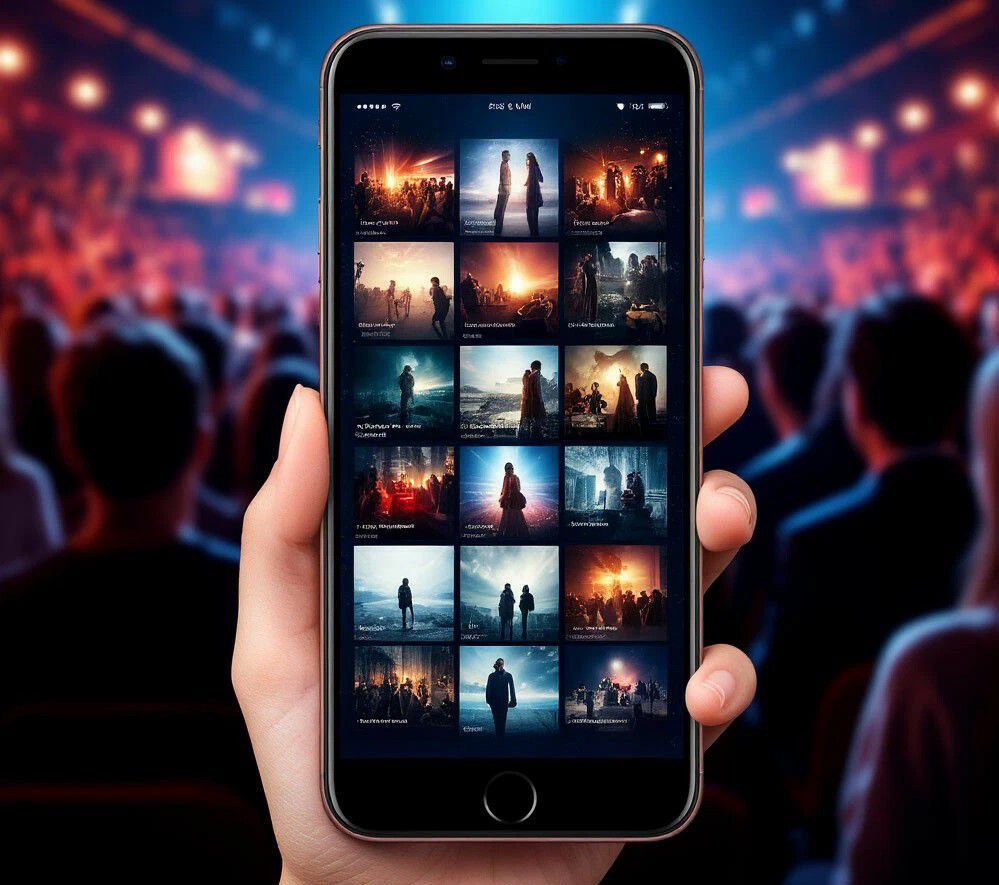
Move over, traditional TV series and long YouTube videos — the new wave of storytelling is vertical, ultra-short, and addictive. In the last two years, “mini-drama” apps have exploded in popularity, especially among Gen Z audiences. Known as Duanju in China, these are short, serialized stories designed for mobile viewing, with each episode lasting between 30 seconds and 2 minutes.
From romantic comedies to sci-fi thrillers, these bite-sized narratives are built for the scroll culture — quick, emotional, and impossible to watch “just one.” And now, the trend is moving beyond Asia into Western markets, sparking what many call the TikTok-ization of scripted entertainment. 📈
What Are Mobile Mini-Dramas? 🎭
Mini-dramas are not just “short videos.” They are scripted, professionally produced shows created for vertical smartphone viewing.
Key features include:
• Ultra-short episodes — usually under 2 minutes.
• High emotional impact — every episode ends on a cliffhanger.
• Vertical format — optimized for phones, no rotation needed.
• Quick production cycles — episodes are filmed and released at rapid speed.
Apps like ReelShort, DramaBox, and ShortTV have built massive libraries of these mini-series, often using AI tools to speed up production and editing.
Why Gen Z Loves Them ❤️
There are several reasons why this format resonates so strongly with younger audiences:
1. Fits into micro-moments ⏱ — Perfect for a short break, commuting, or before bed.
2. Instant gratification ⚡ — You get a complete emotional arc in just a minute or two.
3. Highly shareable 🔄 — Easy to send a link or clip to friends on social media.
4. Algorithm-friendly 📊 — The apps learn your taste and recommend more addictive content.
💡 Fun fact: Many viewers binge 50+ episodes in one sitting — which still takes less time than watching a single traditional TV episode.
The Business Model 💵
Mini-drama apps have cracked a clever monetization strategy:
• Freemium access — The first few episodes are free, then you pay or watch ads to unlock more.
• Microtransactions — Users can purchase “coins” to skip waiting times.
• Product placement — Brands sneak their products into the short storylines.
• AI-generated content — Some apps are experimenting with AI scripts, lowering production costs.
The low budget per episode, combined with high binge-watch rates, makes this one of the most profitable entertainment niches right now.
Cultural Shift: From TikTok to “TikTok Shows” 📺
TikTok made short videos mainstream. Mini-drama apps are simply the next evolution — but instead of random, unconnected clips, you get a cohesive, addictive story.
This format also blurs the lines between content creators and filmmakers. Many small production teams can now compete with big studios by targeting niche genres: vampire romances, time-travel mysteries, billionaire love stories, and more.
Risks and Criticisms ⚠️
While the trend is exciting, there are some concerns:
• Addiction — The constant cliffhangers are designed to keep you hooked for hours.
• Paywalls — Some apps make stories impossible to follow without constant micro-payments.
• Quality control — With fast production and AI scripts, storytelling can become formulaic.
• Privacy issues — Like any app, they may collect more data than necessary.
Parents and educators have also raised concerns about how these bite-sized shows impact attention spans.
The Future of Mini-Drama Apps 🔮
Industry experts predict that mini-dramas will:
• Expand into Western streaming platforms like Netflix or Prime Video as “short-form series.”
• Integrate interactive storytelling, where viewers choose the plot direction.
• Use AI avatars and deepfake actors to personalize stories for each viewer.
We may even see collaborations between TikTok influencers and mini-drama producers to create hybrid content that blurs entertainment and social media even further.
Conclusion ✍️
Mini-drama apps are more than just a passing trend — they represent a fundamental shift in how stories are told and consumed. For Gen Z, they fit perfectly into a fast-paced, mobile-first lifestyle.
Whether you see them as a creative revolution or a symptom of shrinking attention spans, one thing is clear: the vertical fiction boom is just getting started. And just like TikTok changed the way we watch videos, these apps may redefine scripted entertainment for the next decade. 🎥📲
 Tinytunes.app