
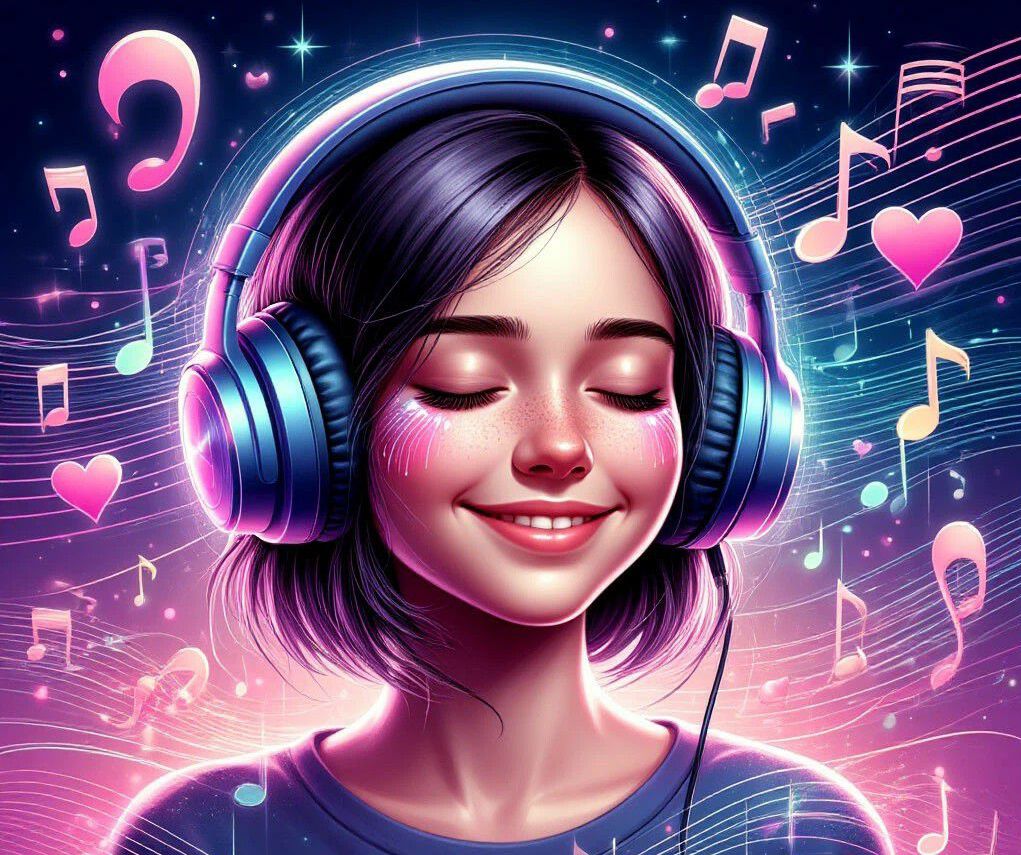
Imagine walking into a room filled with your favorite melody — your mood instantly lifts. Or perhaps a slow, melancholic tune starts playing and, without warning, you feel a wave of nostalgia. Music has this undeniable power over our emotions, and it’s not by accident. From ancient tribal rituals to modern streaming algorithms, sound has always shaped the way we feel, act, and even think.
But how deep does this connection go? And in a world increasingly shaped by artificial intelligence and data, can technology tap into this emotional relationship with music?
Let’s explore the fascinating bond between sound and emotion, and how modern music apps are beginning to “feel” with us. 🎧💡
🧠 The Science Behind Sound and Emotions
When we listen to music, a symphony of processes happens inside our brain. Music activates the amygdala (the emotional core of the brain), dopamine pathways (linked to pleasure), and even the hippocampus, which helps us form and retrieve memories.
In other words, music isn’t just background noise — it’s a full-body emotional experience.
• Upbeat tunes stimulate energy and motivation
• Slow, instrumental music can reduce stress and promote relaxation
• Minor chords often elicit sadness or reflection
• Major chords tend to create a sense of happiness and optimism
Neuroscientists have even found that music can modulate heart rate, blood pressure, and cortisol levels (the stress hormone). So next time you put on your favorite track and feel chills — yes, that’s real. ❄️🎶
🎼 Cultural & Personal Associations
Why does one song make you cry and leave someone else unaffected? Much of our emotional reaction to music is also culturally and personally conditioned.
• A lullaby from childhood
• A breakup song that got you through hard times
• A national anthem evoking pride
Our experiences “attach” themselves to melodies. This is why your playlist might feel like a diary: each track, a page filled with memories and emotions.
🎵 Music as Therapy: Healing Through Harmony
The link between music and mental health is so strong that it’s become a cornerstone in therapeutic practices. Music therapy is used to treat anxiety, PTSD, depression, and even dementia.
In hospitals, clinics, and wellness centers around the world, patients use music to:
• Process trauma
• Enhance memory
• Regulate emotions
• Improve communication skills
This isn’t just alternative fluff — it’s clinically backed. Studies show that music therapy reduces depressive symptoms and can even improve recovery outcomes after surgeries. 🏥💖
📱 Emotion-Aware Audio: A New Tech Frontier
Here’s where it gets futuristic. Today’s smart apps are no longer just playlists in your pocket — they’re emotionally intelligent companions. Imagine your phone not just knowing what you like, but how you feel in the moment and adapting the music accordingly.
Some cutting-edge music platforms now analyze:
• Facial expressions via front cameras
• Heart rate and activity via wearable tech
• Typing behavior or voice tone
• Music skip/like behavior over time
And based on this data, they generate dynamic playlists tailored to your emotional state.
If this sounds like sci-fi, check out this deep dive into emotion-aware audio players. These apps are not just reactive — they’re proactive, anticipating your needs and helping manage your mood throughout the day.
Whether you’re waking up groggy, powering through a workout, or decompressing after a long day, these AI-enhanced apps aim to support you emotionally, not just entertain. 🔊🧘♀️
😌 The Right Sound at the Right Time
It’s not just about emotional highs and lows. Picking the right music at the right time can:
* Boost productivity (think ambient or lo-fi while working)
• Enhance sleep quality (try white noise or soft acoustic)
• Deepen meditation and mindfulness
• Strengthen focus for ADHD or neurodivergent users
There’s even growing research into “digital sound medicine”, where curated sound waves help restore emotional balance and regulate nervous system responses.
🎧 Creating Your Own Emotional Soundtrack
So how do you start using music more consciously to support your mental state?
Here are a few easy tips:
1. Curate mood-based playlists (Happy, Focused, Calm, Energized, etc.)
2. Use apps that offer mood detection or mood-based filtering
3. Notice your reactions — keep a small journal about how different songs affect you
4. Switch genres when your mood needs shifting — use contrast (e.g., upbeat after a stressful call)
5. Limit overuse of emotionally intense music if it reinforces negative loops
💬 Final Thoughts: When Music “Understands” You
Music is one of the few things that speaks every language, crosses every culture, and touches every emotion. As we embrace more tech in our daily lives, the fusion of AI and emotional sound is creating powerful new tools for mental wellbeing.
We’re no longer limited to pressing “play.” Our music is starting to listen to us — and that may be the most beautiful harmony of all. 🎶💜
Would you trust a music app to “read” your emotions and choose your soundtrack for the day? Let us know in the comments or tag a friend who needs to discover this emotional upgrade in their playlist!
 Tinytunes.app