
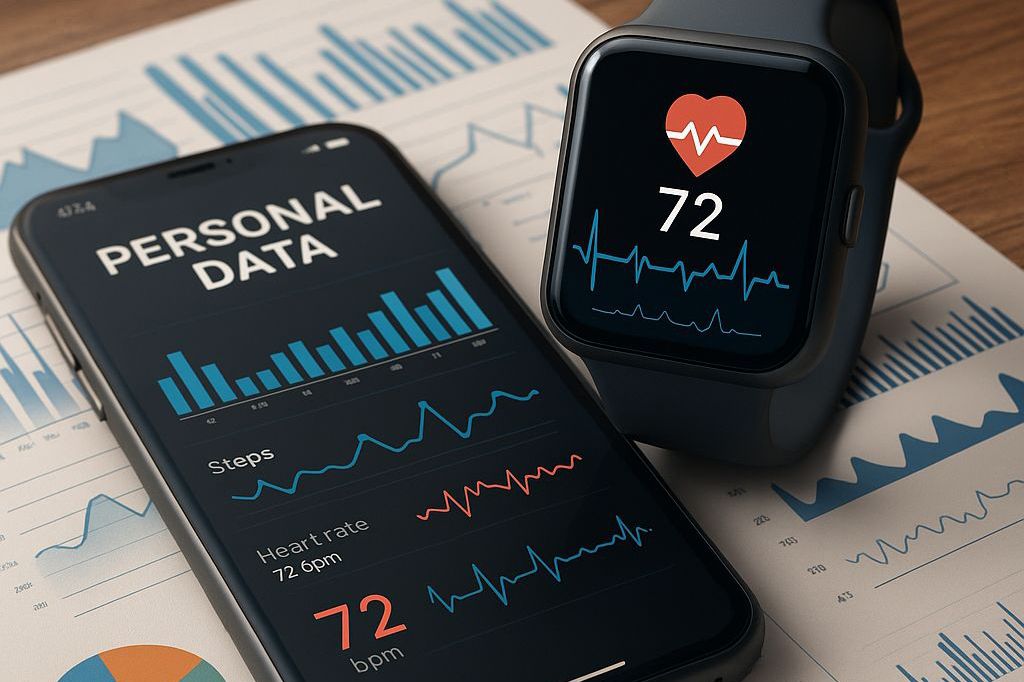
In a world increasingly dominated by smart devices, our personal data has become more valuable than ever. Wearable technology, such as fitness trackers and smartwatches, is at the forefront of this shift. These devices monitor our heart rate, track our sleep, log our locations, and even detect stress levels. While the convenience and insights they offer are undeniable, it raises the question: how much do our devices really know about us, and what is being done with that information?
From counting steps to monitoring vital signs, wearable tech has rapidly advanced. Initially seen as fitness companions, devices like Fitbits, Apple Watches, and Garmin trackers now function as real-time health monitors. They collect data 24/7, providing a continuous stream of biometric information. For example, many devices now measure blood oxygen levels, irregular heartbeat notifications, and even early illness detection through body temperature changes.
This depth of monitoring means that tech companies now have access to highly intimate data. While users often agree to data collection in user agreements, few understand the extent or implications of such consent. Health trends, routines, habits, and even emotional states can be inferred from the information gathered. This can be used to improve services, personalize recommendations, or—in more concerning cases—target advertising or sell anonymized datasets to third parties.
Privacy advocates warn that the line between helpful innovation and intrusive surveillance is getting thinner. The use of wearable tech in workplaces, insurance programs, and even schools has sparked debates about consent and data ownership. For example, should an employer be able to monitor employees’ heart rates to evaluate stress levels or productivity? What happens when insurance companies offer incentives for wearing trackers—are customers really making a choice, or being nudged by financial pressure?
Adding to this complexity is the growing ecosystem of interconnected health apps and devices. Wearable data is often synced with smartphones, cloud services, and third-party platforms. Each integration point presents a new opportunity for data exposure. As more users adopt wearables, the risk of data breaches or misuse increases unless companies invest seriously in security and transparency.
The situation calls for clear regulations and ethical standards. Some regions, like the EU with its GDPR, have made strides in protecting personal data. However, in many countries, laws are still catching up with technological realities. Until then, the responsibility largely falls on the user to read privacy policies, adjust settings, and choose brands with a strong reputation for data protection.
Understanding how wearable tech evolves is key to navigating these challenges. As discussed in this article, the rise of fitness trackers and smartwatches has transformed how we interact with our bodies and health data. As devices become more intelligent and essential to daily life, the importance of ethical data practices will only grow.
In conclusion, wearable devices offer powerful insights into our health and lifestyle, but they also carry risks that must be managed. As technology advances, a collective effort—from developers, lawmakers, and users—is necessary to ensure that personal data remains personal.
 Tinytunes.app