
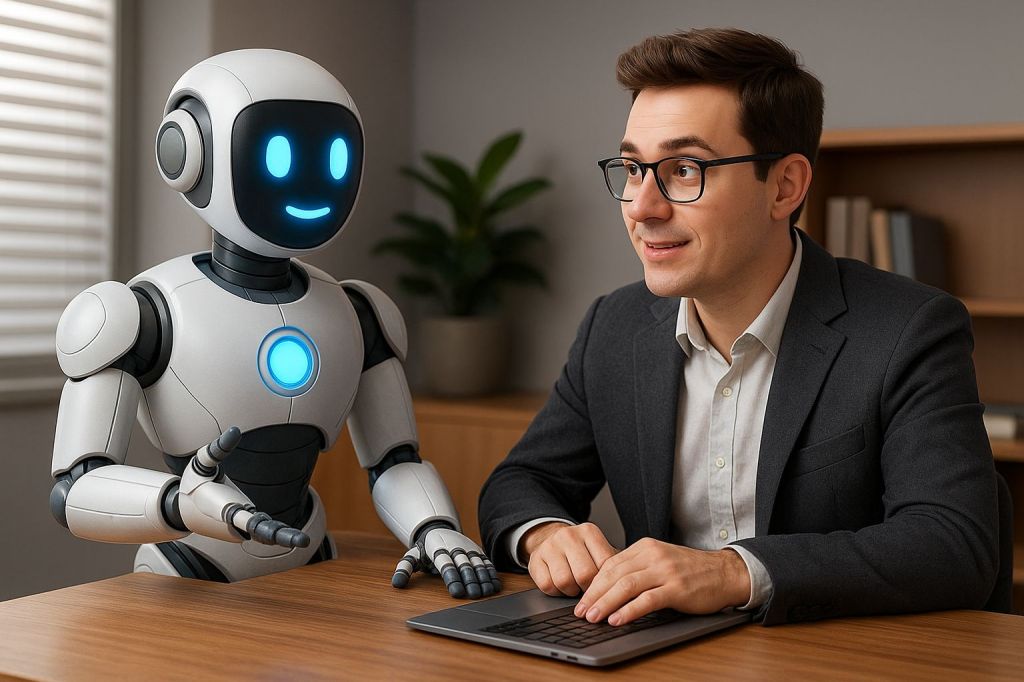
Artificial intelligence, once a distant concept found only in sci-fi movies, has become deeply embedded in our daily routines. It’s no longer just about robots or complex algorithms used by scientists — AI now lives in your phone, your home, your car, and even your shopping cart. Whether you realize it or not, AI is revolutionizing how we live, work, and interact with the world.
Let’s explore the remarkable ways AI is reshaping everyday life — and why this is just the beginning.
🏠 Smart Homes: The AI-Powered Living Space
Imagine waking up to your curtains opening automatically, your coffee brewing, and your favorite playlist starting — all triggered by your smart assistant. That’s not fantasy anymore. AI-powered smart home systems like Amazon Alexa, Google Assistant, and Apple HomeKit are making everyday tasks seamless and automated.
AI controls lighting, temperature, security systems, and even appliances. Over time, it learns your routines — when you usually get home, how warm you like your room at night, what kind of lighting you prefer in the evening — and adjusts accordingly. This makes life more efficient, comfortable, and energy-saving.
🗣️ Virtual Assistants: More Than Just Voice Commands
From setting reminders to answering questions, AI-driven virtual assistants have become indispensable. Whether it’s Siri helping you send a text, Google Assistant managing your schedule, or ChatGPT drafting an email, AI acts as a second brain — organizing your tasks and saving your time.
The newest generation of AI assistants understands context, adapts to your preferences, and even handles complex, multi-step commands. Ask your assistant to book a restaurant, add it to your calendar, and text your friend — and it’ll do it all within seconds.
🛒 Personalized Shopping & Recommendations
Ever noticed how Netflix seems to know exactly what you want to watch? Or how Spotify builds playlists that match your mood? That’s AI at work. Recommendation engines powered by machine learning analyze your past behavior and compare it with millions of others to predict what you’ll enjoy next.
Online shopping platforms like Amazon or eBay use similar algorithms to suggest products, offer bundles, and even adjust prices dynamically. This level of personalization enhances user experience and helps businesses increase engagement.
🚗 Smarter Transportation
AI is steering the future of transportation — both literally and figuratively. From self-driving cars developed by Tesla or Waymo, to AI-powered GPS apps like Waze or Google Maps that optimize routes based on live traffic, artificial intelligence is making travel faster, safer, and more efficient.
Even public transportation systems in cities like Singapore, London, or Dublin now use AI to adjust schedules, predict delays, and manage passenger flow — reducing congestion and improving punctuality.
💼 AI at Work: Virtual Colleagues & Automation
In offices around the world, AI is transforming how we work. Chatbots handle customer service 24/7, algorithms automate repetitive data entry tasks, and tools like Grammarly or Jasper improve writing.
For professionals in fields like finance, law, and marketing, AI analyzes massive data sets in seconds — spotting patterns that humans might miss. This doesn’t just save time; it amplifies creativity and decision-making.
And with the rise of remote work, AI also supports productivity by managing calendars, suggesting focus times, and even analyzing team collaboration trends.
💡 Everyday AI You Might Overlook
You don’t need to be a tech expert to use AI — it’s all around you:
• Smart cameras that sort photos by face or place
• Spam filters that keep your inbox clean
• Voice-to-text tools that transcribe your thoughts instantly
• Fitness apps that adapt workouts to your progress
• Translation tools that bridge global language gaps
These tools are powered by sophisticated machine learning — yet they feel simple, because the best AI works invisibly.
🔐 Security, Privacy & Ethical Concerns
As AI becomes more integrated into life, there are rising concerns about data privacy, algorithmic bias, and ethical use. Facial recognition, for instance, can help unlock phones or catch criminals — but also raises issues around surveillance and consent.
It’s important for both users and developers to demand transparency, fairness, and accountability from AI systems. Governments and tech companies are now working on regulations to ensure that AI empowers people without exploiting them.
🌍 Global Impact: AI in Developing Nations
AI isn’t just transforming Silicon Valley — it’s also improving lives in developing countries. In rural regions, AI is helping farmers predict weather and optimize crops. In health care, chatbots provide basic medical advice in underserved areas.
For instance, AI-driven language tools are helping preserve endangered dialects, while mobile education apps use AI to deliver customized learning to children with no access to traditional schools.
🚀 What’s Next?
The future of AI promises even more exciting changes:
– Emotional AI that understands human feelings
– AI in education offering personalized learning paths
– Augmented reality assistants blending physical and digital worlds
– Predictive healthcare that spots illness before symptoms appear
– Smarter cities managed by AI systems to improve traffic, safety, and energy use
As AI continues to evolve, it will become more human-centric — working quietly in the background to make life easier, safer, and more fulfilling.
🧭 Final Thoughts
Artificial intelligence is no longer the future — it’s the present. From the moment you wake up until you go to sleep, AI touches your life in more ways than you might realize. As it becomes more advanced and accessible, it’s up to us to use it wisely — not just to make life more convenient, but to solve real-world problems and build a better future.
Whether you’re asking your smart speaker to play a song or using AI to improve your business strategy, you’re already part of the AI revolution.
 Tinytunes.app